 Jim Owen
The ten healthiest fruits here are apples, apricots, avocados, bananas, berries, cantaloupe, grapefruit, lemons and limes, oranges and pears. They are listed in alphabetical order, not ranked. MyPlate recommends 1.5 to 2 cups of fruit a day for most adults, and any of these helps you get there.
Updated October 27, 2026.
I always read the study, not just the headline, and fruit headlines are some of the loudest. Superfood labels change fast, but the nutrition numbers barely move. What holds up is simple: eat a variety of whole fruit most days, and keep the skin on when you can eat it. Most of us have stood in the produce aisle unsure which fruit is the best one, and the answer below is that a mix wins.
1. Apples
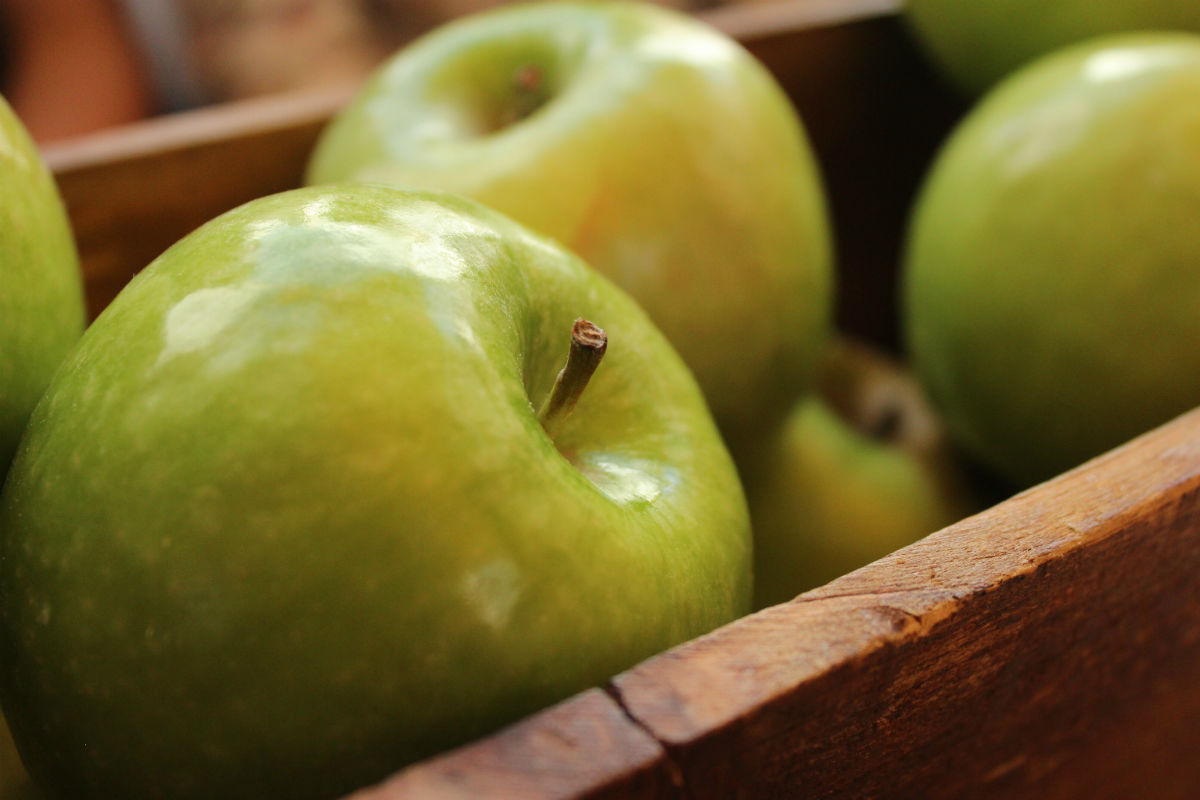
Mayo Clinic names apples as a source of soluble fiber. Soluble fiber may keep the body from absorbing some of the cholesterol in other foods, which can help lower cholesterol. The National Academy of Medicine sets daily fiber targets at 25 grams for women and 38 for men up to age 50, and 21 and 30 after that. MedlinePlus says Americans average about 16 grams. Apples are juicy, easy to pack and need no prep, which is why they land in so many lunch bags.
2. Apricots
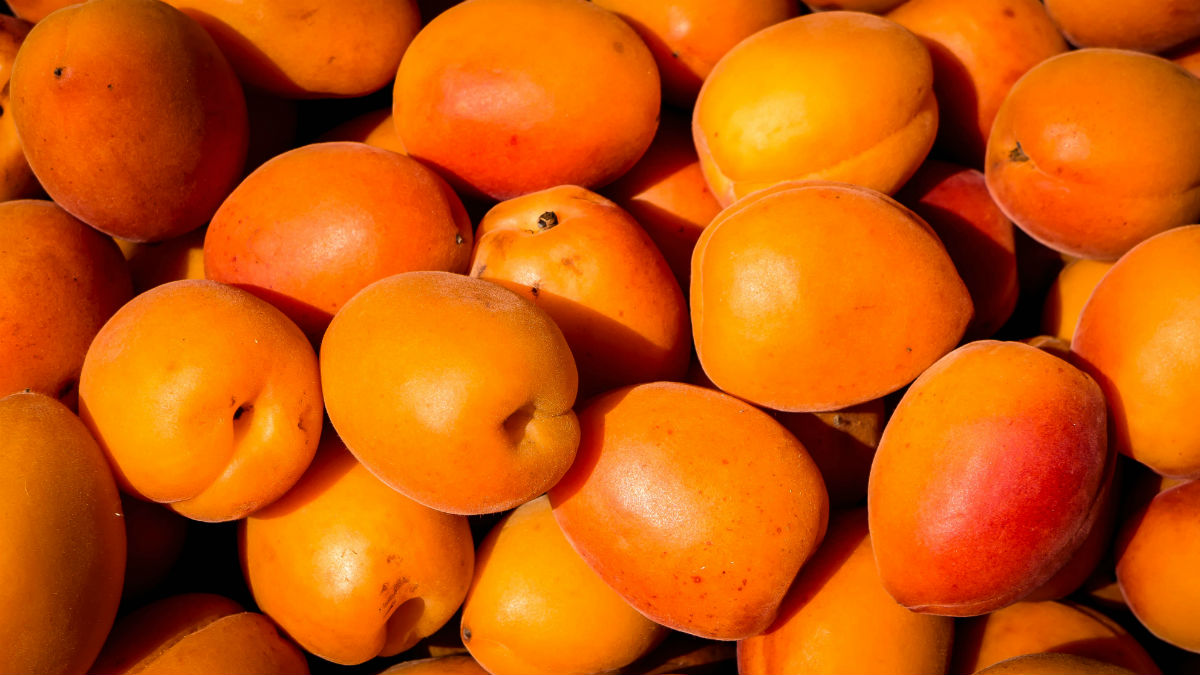
Dried apricots are a potassium heavyweight. Half a cup holds 755 milligrams, according to the NIH Office of Dietary Supplements. The adequate intake is 3,400 milligrams a day for men and 2,600 for women. Dried fruit is packed tight, so measure it. Anyone who has eaten dried fruit straight from the bag knows how fast one handful turns into three.
3. Avocados
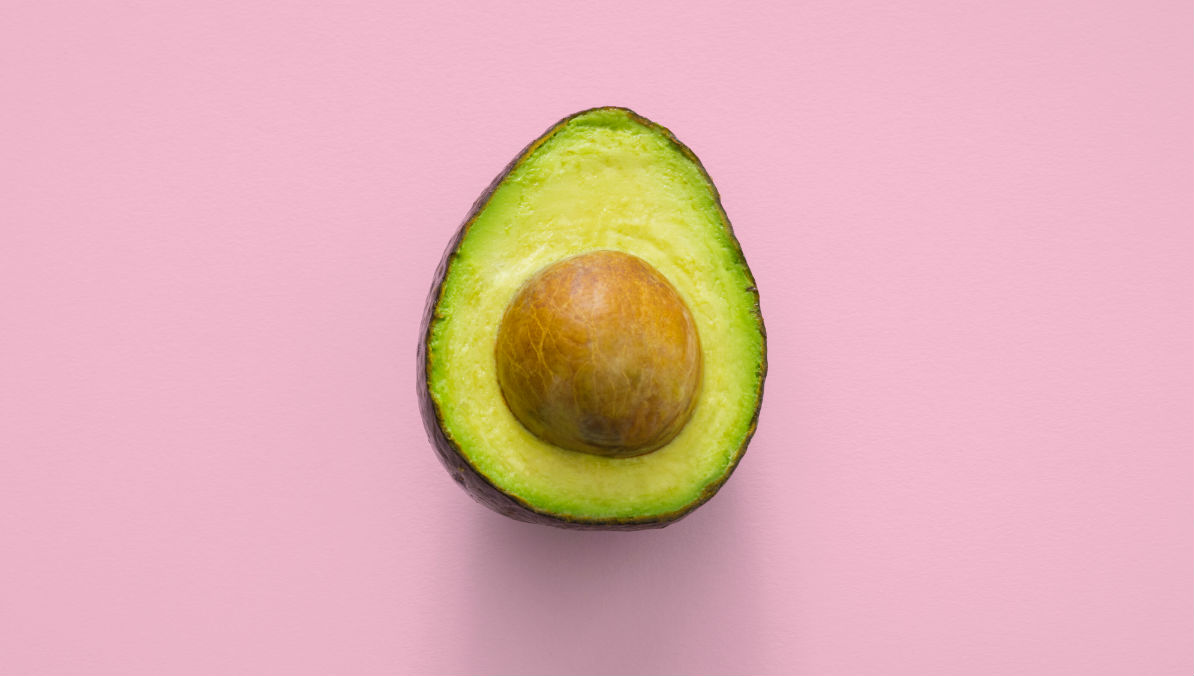
Few fruits are as delicious or versatile as avocados. They go with salads, sandwiches and plenty of other dishes. Mayo Clinic lists avocados, along with apples, among foods that supply soluble fiber. They sit in the fruit group on MyPlate, which counts fruit that is fresh, canned, frozen or dried.
4. Bananas
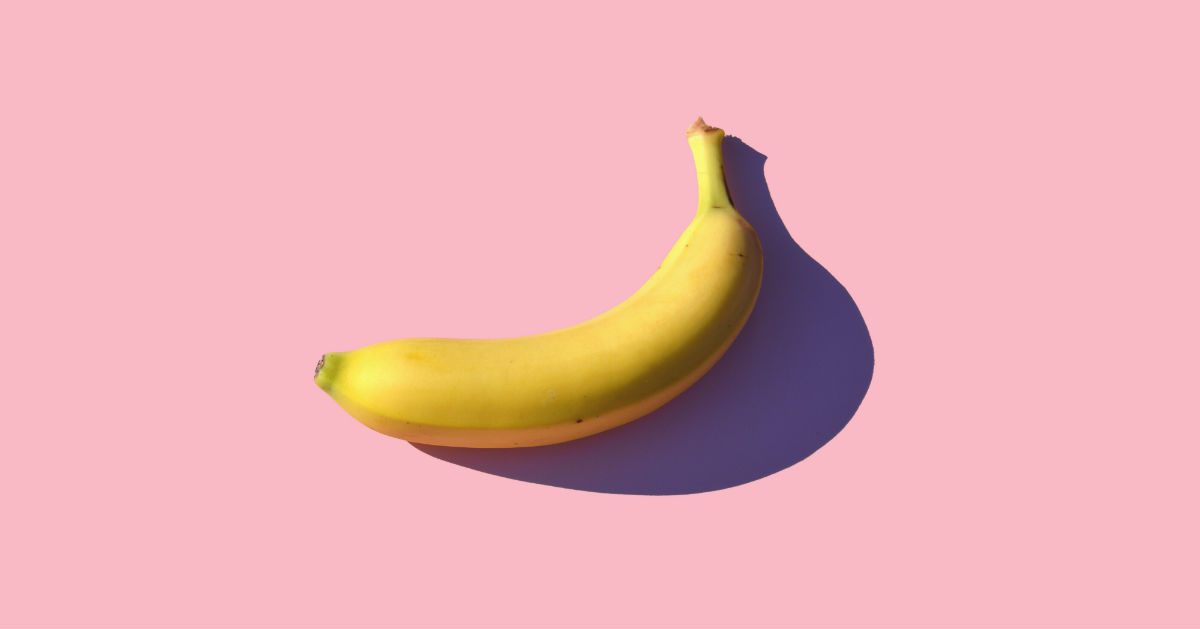
One medium banana holds 422 milligrams of potassium, the NIH reports. That is roughly 12 percent of the 3,400 milligram daily target for men and 16 percent of the 2,600 for women. The same fact sheet cites a meta-analysis of 11 cohort studies linking each 1,640 milligrams a day of extra potassium to a 21 percent lower stroke risk, and it says firm conclusions need more research. Bananas are also an easy grab-and-go snack, one of many healthy snack ideas, and they turn up in plenty of baked goods.
5. Berries
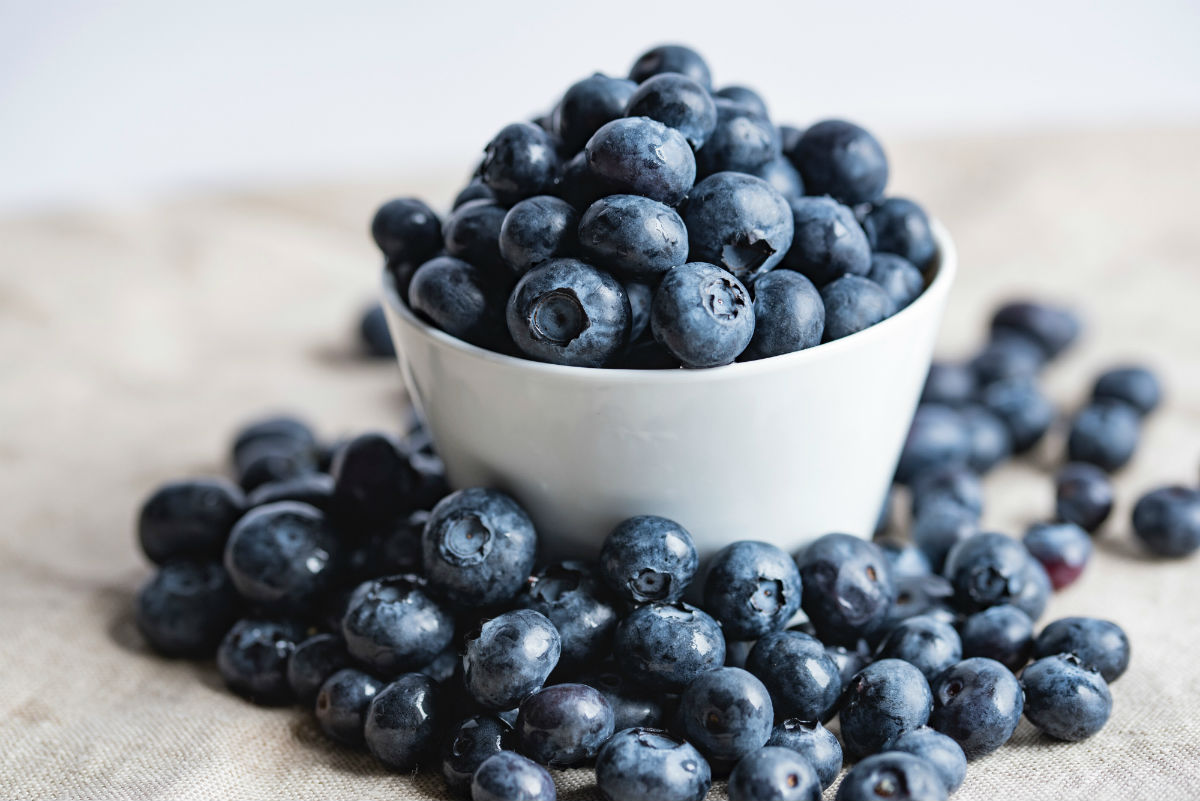
Berries are a tasty swap for sugary, salty treats. Half a cup of sliced fresh strawberries supplies 49 milligrams of vitamin C, per the NIH Office of Dietary Supplements. The daily recommendation is 90 milligrams for men and 75 for women, so a cup of strawberries covers more than the whole target for women. Blueberries and cranberries are easy to find too.
6. Cantaloupes
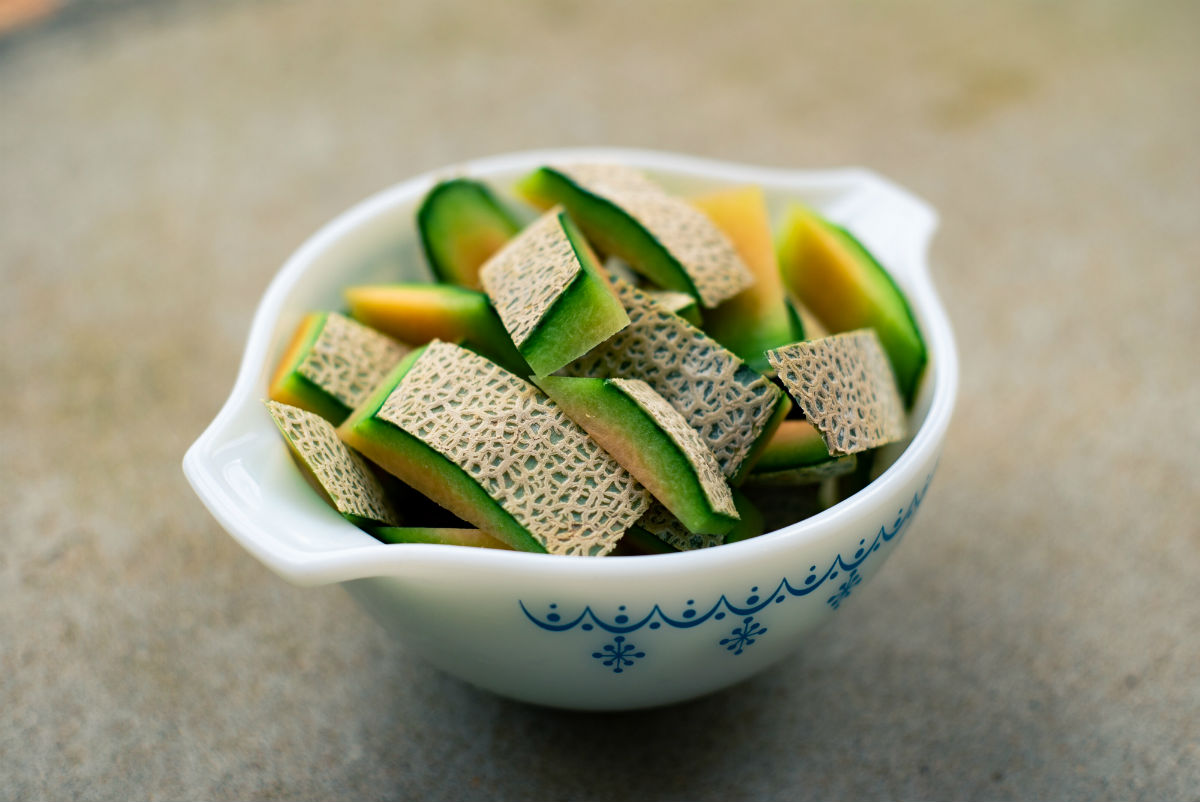
Half a cup of cubed cantaloupe has 29 milligrams of vitamin C and 214 milligrams of potassium, according to the NIH Office of Dietary Supplements. It is a light way to add both. Most of us have been to a summer picnic where the cold melon was the first thing to disappear.
7. Grapefruit
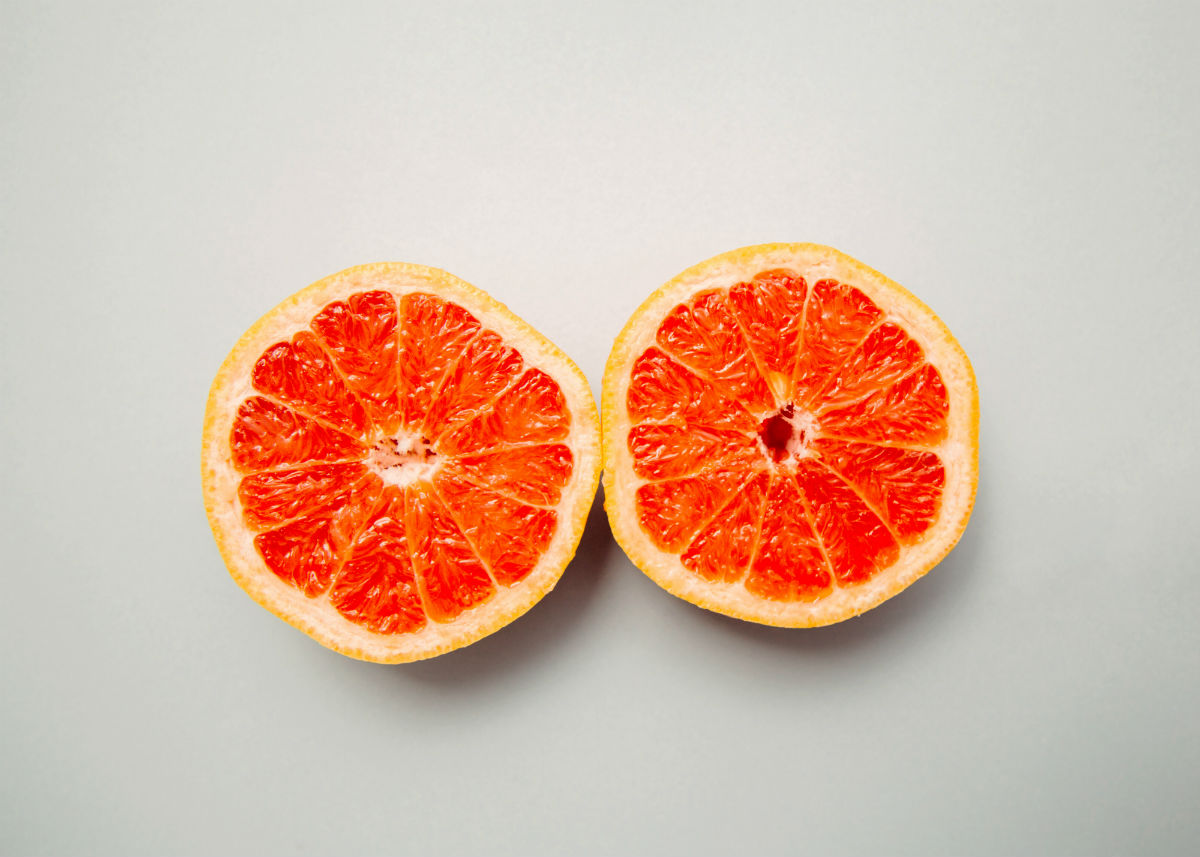
Half a medium grapefruit supplies 39 milligrams of vitamin C, the NIH Office of Dietary Supplements says, and three-quarters of a cup of the juice supplies 70. Plenty of people do not care for the taste, but if you like it, it is an easy pick. One warning belongs here: the FDA says grapefruit juice can change how much of certain drugs gets into the blood, including some statins and blood pressure medicines. Ask your doctor or pharmacist before adding it.
8. Lemons and Limes
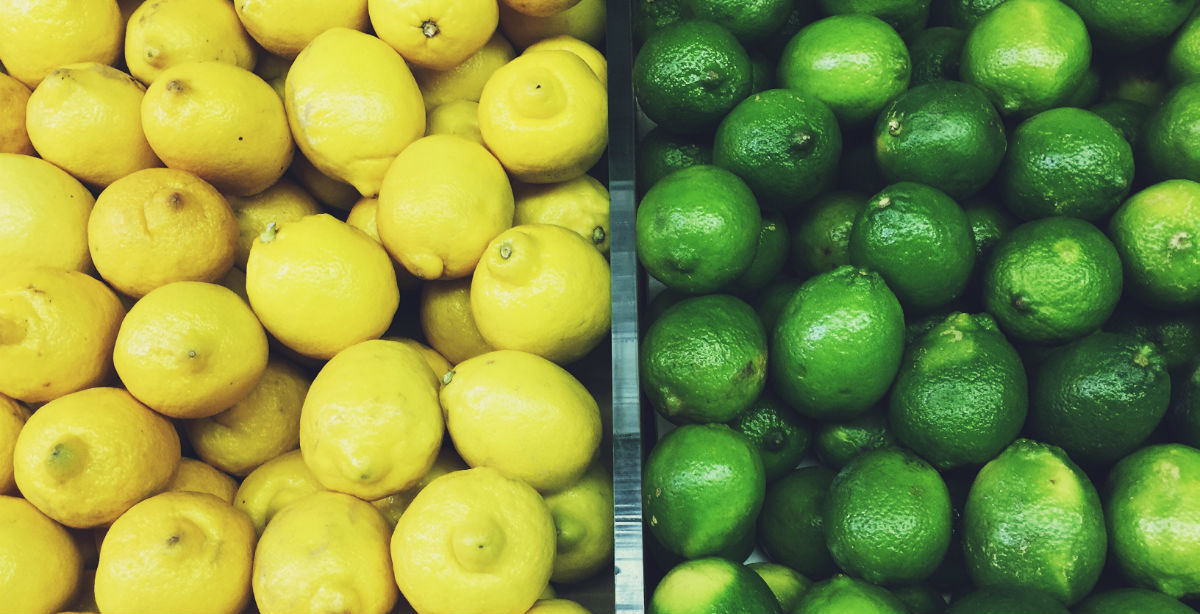
The NIH Office of Dietary Supplements names citrus fruit among the major contributors to vitamin C intake in the American diet. Lemons and limes are usually eaten in small amounts, so think of them as a way to season water, fish and salads rather than a main fruit serving. A squeeze of lime can make plain water or a plain dinner taste like something new.
9. Oranges
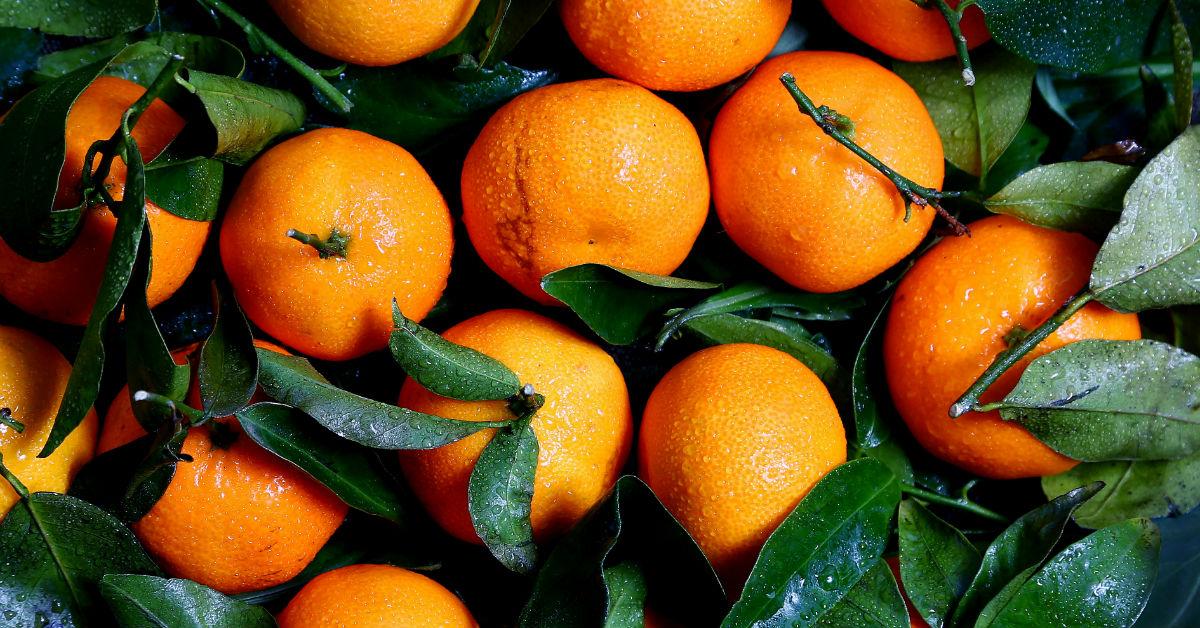
One medium orange has 70 milligrams of vitamin C, per the NIH Office of Dietary Supplements. A cup of orange juice has 496 milligrams of potassium, and MyPlate counts one cup of 100 percent juice as one cup of fruit.
10. Pears
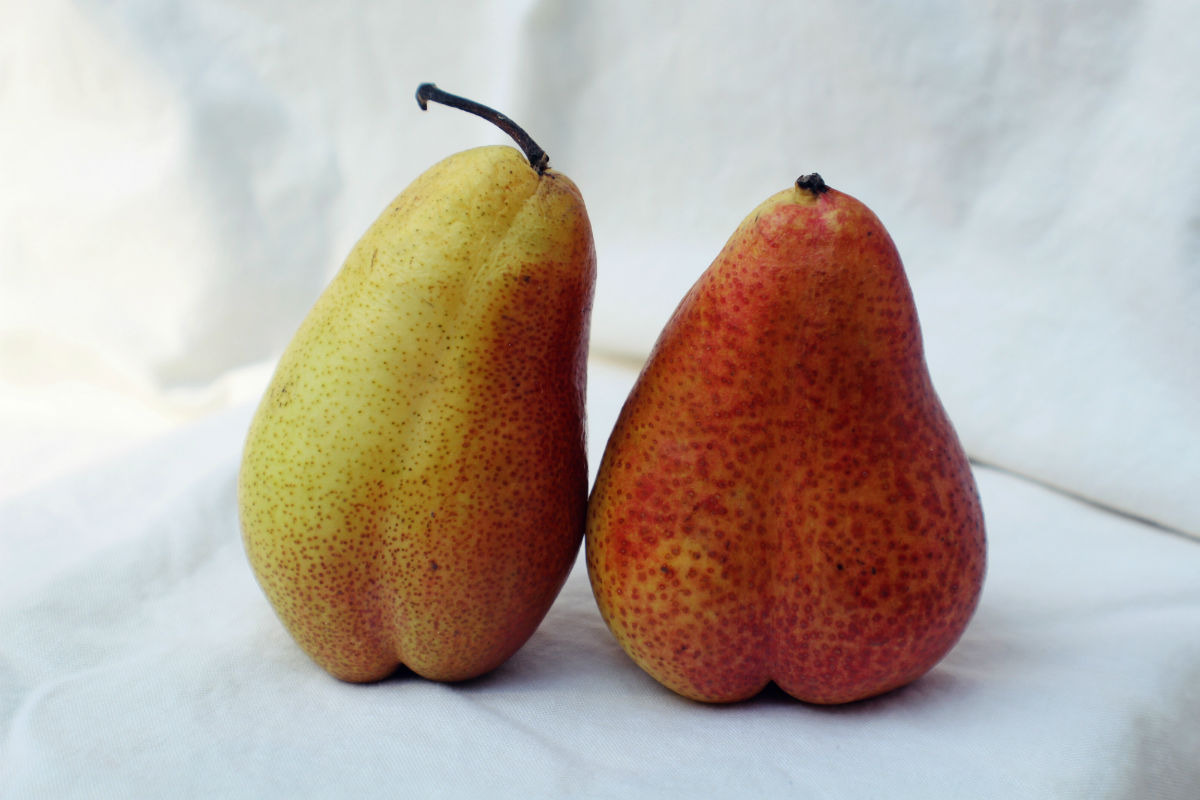
MedlinePlus notes that peeling fruit lowers its fiber content. That matters for pears, which are usually eaten whole. Wash the skin and bite in.
How Much Fruit Adults Need Each Day
MyPlate puts the daily target at 2 cups for women aged 19 to 30 and 1.5 cups for women 31 and older. Men need 2 cups at every adult age. These amounts assume less than 30 minutes of moderate activity beyond normal daily activity.
MyPlate says fruit adds fiber and potassium, which many Americans do not get enough of. It also says a diet rich in fruits and vegetables may reduce the risk of heart disease, including heart attack and stroke.
Healthiest Fruits Questions
Which fruit is the healthiest?
No federal source ranks one fruit first. MyPlate counts fresh, canned, frozen and dried fruit toward the daily target, and the NIH figures show different strengths: oranges and strawberries for vitamin C, bananas and dried apricots for potassium. A mix of whole fruits over the week covers more ground than any single pick.
How much fruit should adults eat a day?
MyPlate recommends 2 cups for men at all adult ages and for women aged 19 to 30, and 1.5 cups for women 31 and older. The amounts assume less than 30 minutes of moderate activity beyond normal daily activity. More active people may be able to eat more while staying within calorie needs.
Does fruit juice count as fruit?
Yes, 100 percent fruit juice counts toward the Fruit Group on MyPlate. One cup of juice counts as one cup of fruit, and half a cup counts as half a cup. The FDA warns that grapefruit juice can let more of some drugs, including certain statins and blood pressure medicines, get into the blood, so ask a pharmacist first if you take them.
Which fruits are high in potassium?
The NIH Office of Dietary Supplements lists half a cup of dried apricots at 755 milligrams, a cup of orange juice at 496, one medium banana at 422 and half a cup of cubed cantaloupe at 214. Adequate intake is 3,400 milligrams a day for adult men and 2,600 for adult women.
This article is for general information only and is not medical advice. Talk to a licensed clinician about your own situation.
 Madeline Marshall