
 Del Bailey
Ten ideas can take a bare yard to a lived-in one this spring: native plants, a butterfly garden, a water feature, an outdoor kitchen, vertical greenery, better lighting, sustainable practices, an outdoor living area, edible landscaping, and a zen garden. Each one works on its own, and most have a version that fits a small backyard as well as a big garden.
I spend most spring weekends with dirt under my nails, and the yards that get used all season are never the ones with the most planted. They’re the ones with somewhere to sit, something blooming near the door, and a path that doesn’t dead-end at a fence. Most of us have bought a plant on impulse and then stood there wondering where it was supposed to go. So start with one or two of the ideas below instead of trying to redo the whole yard in a weekend.
Embrace Native Plants
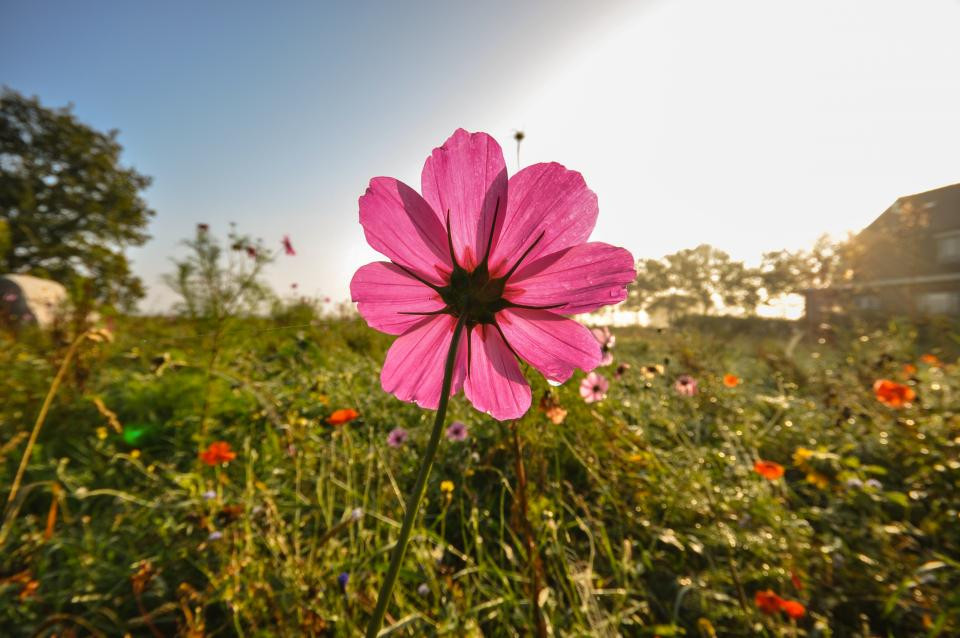
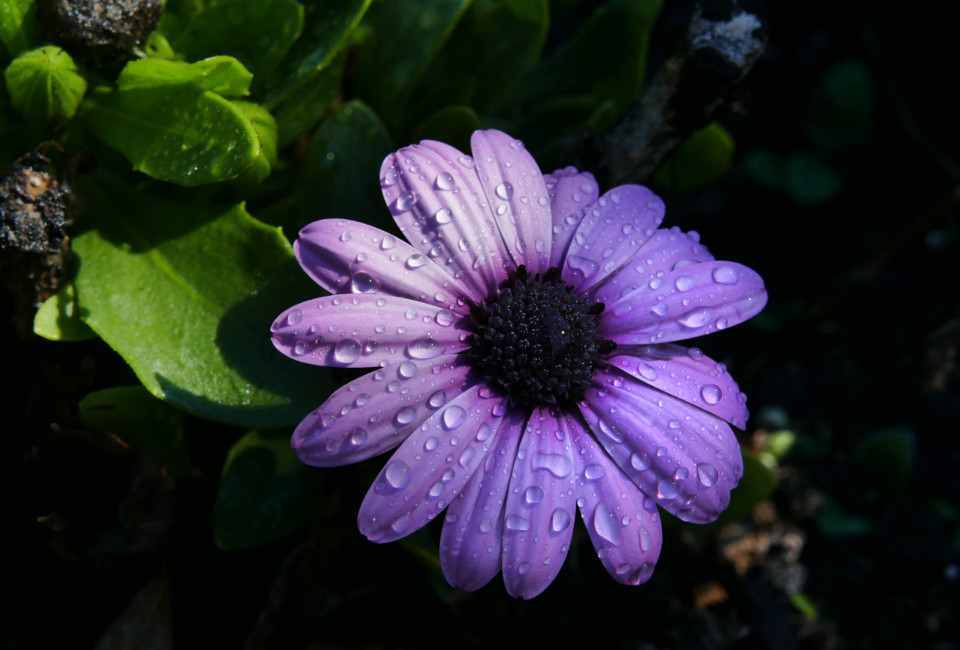
Spring is a good time to work native plants into your yard. The University of Maryland Extension calls them the best way to make a haven for pollinators like native bees and butterflies, because many insects can only eat the plants they evolved with. A monarch caterpillar, for example, eats only milkweed. Those insects are also the food most baby songbirds need. The Extension adds that regular lawns and flower beds are often kept going with fertilizer, pesticides and extra watering. Native plantings let you cut back on all three. Plus, they bring in the kind of color and buzz that makes you want to step outside.
Create a Butterfly Garden

Flowers full of nectar, like milkweed and coneflower, draw butterflies in, and milkweed also feeds monarch caterpillars. Skip butterfly bush, though. The University of Maryland Extension lists it as invasive and says its leaves give caterpillars no nutrition, so it feeds the adults while starving the next generation. Plants that are native to your area keep the bed low-maintenance. Add a flat stone for basking and a shallow dish of water, and visitors stay instead of just passing through. Not only do you get to watch the fluttering wings, you also help the butterflies and other pollinators that gardens depend on.
Install a Water Feature
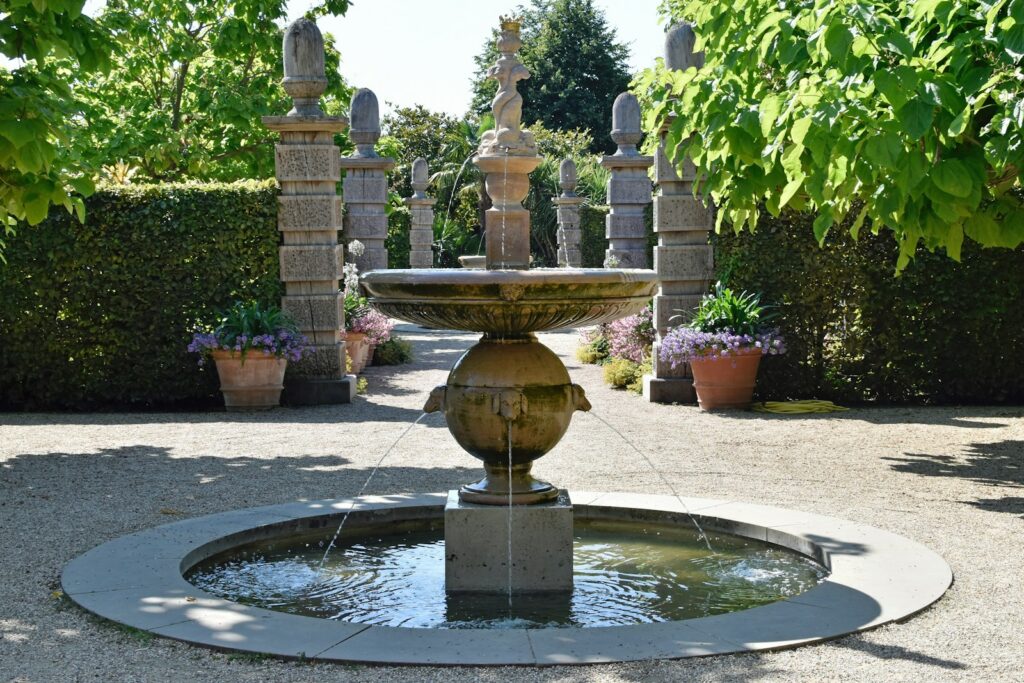
A bubbling fountain, a small waterfall or a still pond changes how a yard feels before it changes how it looks. The sound alone covers a surprising amount of street noise. Most people have felt their shoulders drop at the sound of a creek or a light rain, and a water feature brings a little of that home. Add water plants like water lilies and irises, and the feature gives fish and other small wildlife somewhere to live.
Design a Functional Outdoor Kitchen

A built-in grill, some counter space for prep and a dining spot nearby turn a patio into a place where people really cook. Anyone who’s hosted a cookout knows the best conversation happens wherever the cook is standing, so give them a good spot. String lights, cozy seating and a few pots of herbs within reach of the grill finish it off for little extra cost. Eating outside on a nice spring night beats eating at the kitchen table. If you’ve never kept herbs before, growing your own herb garden is an easy first step.
Small-Yard Landscaping Ideas: Vertical Gardens
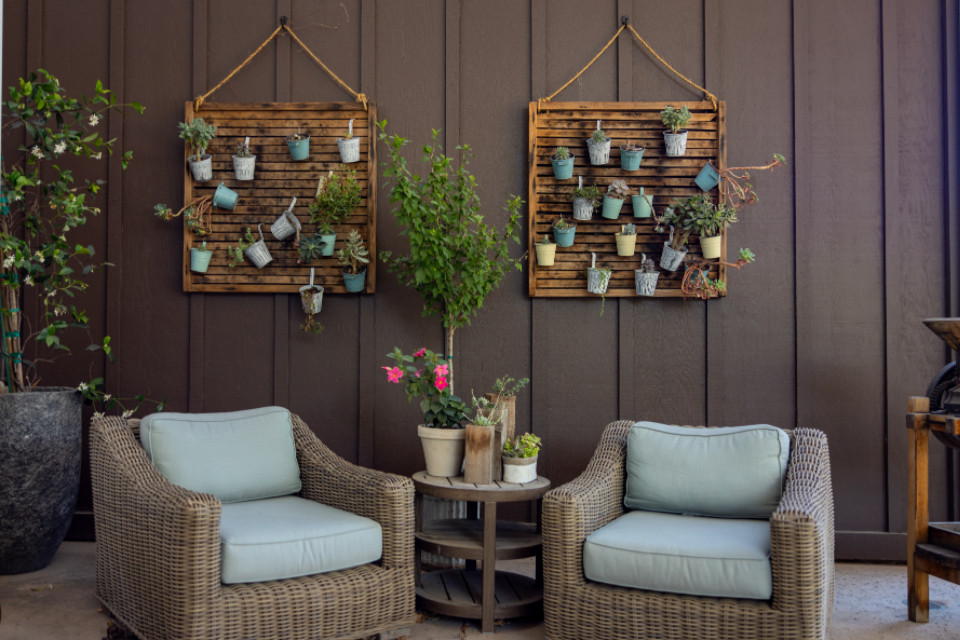
On a small patio or against a bare fence, a wall of planters frees up ground space and adds texture a flat bed can’t. Hang planters filled with herbs, succulents or trailing vines for a quick, lush green backdrop. A trellis or arbor trained with climbing jasmine or clematis takes longer, but it becomes the thing people look at first.
Illuminate With Outdoor Lighting
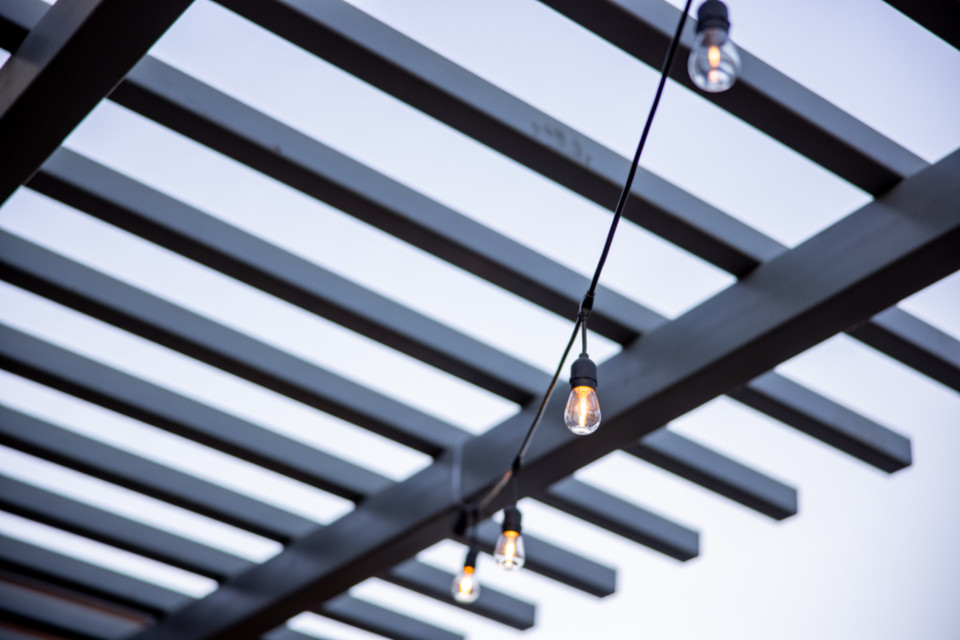
Lighting is what lets a yard keep working after sunset. Anyone who’s tried to find the back steps in the dark knows it isn’t only for looks. Soft glow lights along the path, plus a spotlight or two aimed at a tree or a wall, add depth without glare. Solar-powered fixtures are friendly to the planet and cut out the cost of running them every night.
Sustainable Landscaping Ideas That Save Water
Think of it as Earth Day every day. Gravel or spaced pavers let rain soak into the ground instead of running off. A rain barrel under a downspout gives you free water for the beds during a dry stretch. Mulching with wood chips or shredded leaves holds back weeds and keeps moisture in the soil, so you water less overall.
Create Outdoor Living Spaces

Treat the yard like another room of the house. A seating area under a pergola, or just a hammock strung between two trees, gives you a reason to sit in the yard instead of walking through it. Cushions, throw pillows and an outdoor rug add comfort. If you’ve ever sat on a patio at noon with no shade, you know how fast a nice yard turns into a place to avoid, so add an umbrella or a retractable awning to make the space usable through the hottest part of the day. Time spent out there counts for something too: gardening for stress relief is one of the easier habits to keep.
Edible Landscaping Ideas: Fruit Trees and Raised Beds
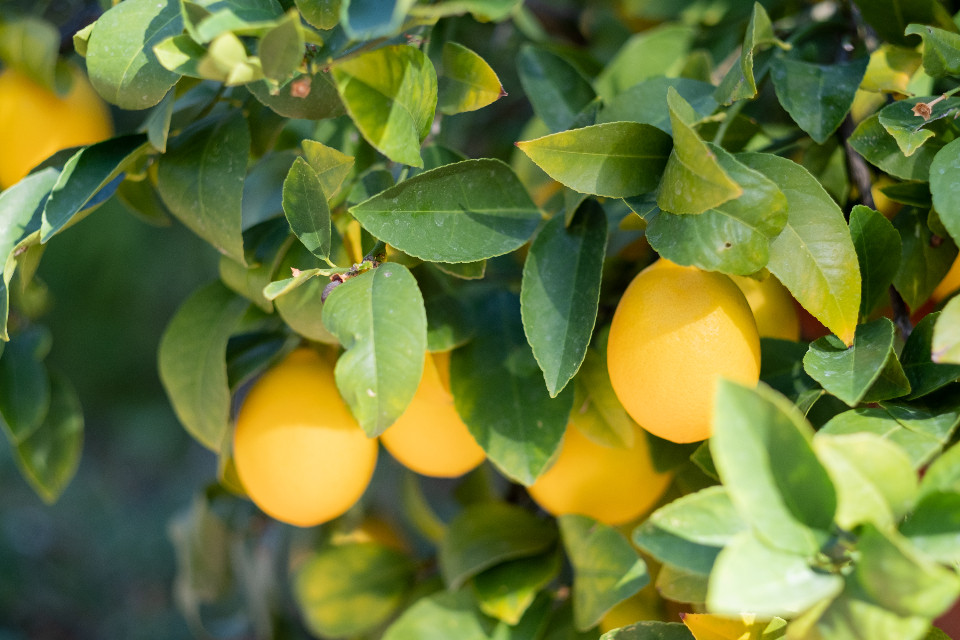
A fruit tree, a raised bed of vegetables or a border of edible flowers does two jobs at once. It looks planned, and it puts food on the table. An apple, cherry or peach tree gives you a harvest each season in about the same space as a tree that’s only for looks. Raised beds or pots filled with herbs, vegetables and edible flowers work too if you have no room for a tree.
Cultivate a Zen Garden
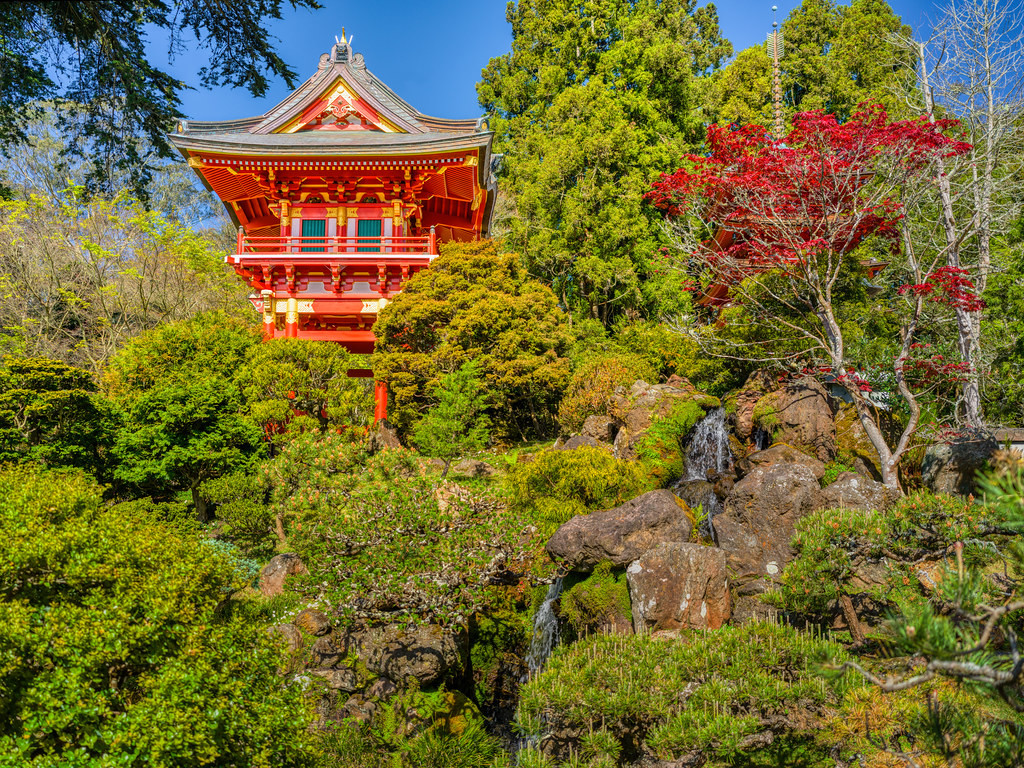
Sand, gravel and a few well-placed boulders make a simple, quiet corner that you look at instead of plant. A Japanese lantern or a Buddha statue gives it a focal point. Raking the gravel into lines takes ten quiet minutes, and most people find it calming.
FAQ: Spring Landscaping Ideas
Why plant native species instead of ornamental ones?
Many insects can only eat the plants they evolved with, so native plants keep pollinators and caterpillars fed, according to the University of Maryland Extension. Those insects are the food most baby songbirds need. Regular lawns and flower beds, the Extension adds, are often kept going with fertilizer, pesticides and extra water.
What’s the easiest landscaping idea to start with this spring?
Outdoor lighting and a simple seating area are the fastest to set up and the cheapest to try. Neither needs digging or waiting for a plant to settle in. You can put both in over a weekend, see how you use the space, and add plants around them later.
Do rain barrels actually help a garden during a dry spell?
Yes. A rain barrel under a downspout catches water during storms that you can pour on the beds later, so you lean on the hose less during a dry stretch. Pair it with a layer of mulch, which keeps that water in the soil longer.
Is butterfly bush good for a butterfly garden?
No. The University of Maryland Extension lists butterfly bush as invasive and says its leaves give caterpillars no nutrition, so it helps adult butterflies while doing nothing for the next generation. Native nectar plants such as milkweed, which monarch caterpillars depend on, do both jobs.
 Rachel Dunn
 Madeline Marshall

 Megan Tate