
 Tami Benedict
Six things usually keep belly fat in place when you’re already working hard. The usual culprits: short sleep, too much salt, cardio with no lifting, stress, age and processed food. Most of the fixes are about sleep, training and labels, not eating less.
Updated November 1, 2026.
You’re working out, eating well and drinking your water, and the scale still won’t move. That’s frustrating, and it can knock anyone off track. Most of us have hit a point where we did everything right and nothing changed. Here are six things to check.
I’ve eaten low-carb for years. I’ve watched the scale stall more times than I can count while doing everything right. It’s maddening. A stall almost never means you’re lazy. It usually means one of the things below has crept back in. Sleep and salt are the two I check first.
You’re Not Sleeping Enough

The CDC says adults ages 18 to 60 need 7 or more hours of sleep a night. It lists staying at a healthy weight and better metabolism among the payoffs. Short sleep also changes how you eat. Mayo Clinic notes that people who don’t get enough sleep tend to snack more, eat and drink more calories, and move less. Most of us know how a short night makes a second coffee and a drive-thru lunch sound like a fine plan. That’s a lot working against you before the day even starts.
The Fix: Keep your room cool and your phone out of reach. Skip caffeine after lunch, and keep the same bedtime and wake-up time, weekends included.
You’re Consuming Too Much Salt
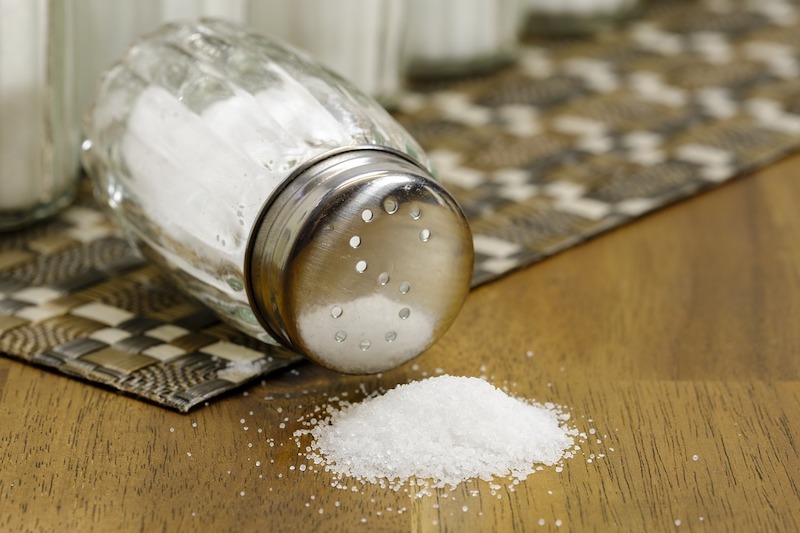
Sodium won’t add fat, but it will make you hold water. Excess sodium in your bloodstream pulls water into your blood vessels, per the American Heart Association. The AHA’s ideal limit is 1,500 mg a day for most adults, with 2,300 mg as the ceiling. The average American eats more than 3,100 mg. And more than 70% of it comes from packaged, prepared and restaurant food, not the shaker on your table. Most of us have been surprised by a nutrition label at least once.
The Fix: Check the sodium per serving on the Nutrition Facts label, and check the serving size too, as the AHA suggests. Then use cinnamon, chili, rosemary and parsley to bring back the flavor you lose from salt. They’re all tasty, and they can take a plain meal up a notch.
You’re Not Doing the Right Workouts

Cardio burns calories while you’re doing it. Muscle keeps burning them when you’re not. Mayo Clinic calls muscle mass a key factor in your basal metabolic rate. That’s the number of calories your body uses at rest. Crunches won’t do the job either. Plenty of us have spent a whole workout on crunches hoping for a flat stomach. Mayo says ab exercises tone the muscle underneath but won’t get rid of belly fat on their own. It does point to some evidence that strength training and high-intensity interval training can help.
The Fix: Mayo’s general target is at least 150 minutes of moderate aerobic activity a week, or 75 minutes of vigorous activity. Add strength training for all the major muscle groups at least twice a week. One set per exercise is enough for the health benefit.
You’re Stressed

Cortisol is the main stress hormone, per Mayo Clinic. It raises the sugar in your blood and makes it harder for your digestive system to work. Mayo also says long-term stress can change how your body functions in ways that lead to weight gain. When you’re stressed, you may not eat as well or move as much, and most of us don’t make our best food choices on a rough day. Mayo doesn’t single out the belly. But overeating to cope is on its list of habits to avoid, and that’s the one that shows up at your waistband.
The Fix: Pick something that actually brings the stress down, like a walk, a workout or a set bedtime, instead of trying to diet around it. A yoga class, some quiet meditation or a massage are other ways people unwind.
Why Age Makes Losing Belly Fat Harder

As unfair as it sounds, age plays a part. For women, Mayo Clinic says the hormone changes around menopause make it more likely that weight lands on the belly instead of the hips and thighs. Gain often starts a few years early, during perimenopause, and averages about 1.5 pounds a year through the 50s. Hormones alone don’t cause it, Mayo adds. Muscle mass drops with age while fat goes up, so the same meals and the same activity can start adding pounds. Mayo says a waist over 35 inches signals excess belly fat in women.
For men, low testosterone and extra weight travel together. The Urology Care Foundation cites one study: 30% of overweight men had low testosterone, compared with 6.4% of men at a normal weight. It says losing weight and getting more physical activity will likely raise testosterone levels.
The Fix: Keep lifting and keep eating well. You can’t stop the calendar, but muscle and movement are still yours to control.
You’re Eating Too Many Processed Foods

Yes, processed food makes life easier. Most of us have grabbed a bag of something on the way out the door because mornings are busy. But processed food is also where most of the extra sodium hides, going by that AHA figure. So cutting back helps with the bloat too. Mayo Clinic’s advice for belly fat points the other way. Eat more fruit, vegetables and whole grains, plus lean protein like fish and low-fat dairy. Cut back on processed meats and the saturated fat in butter and fatty meat. Mayo also warns that calories add up even when the food is healthy, so portions still count.
The Fix: Swap sugary drinks for water or something unsweetened, as Mayo suggests, and read the label on anything that comes in a box or a bag.
There you have it: six things to check when the belly fat won’t budge, and a few ways to deal with each one. Hopefully these tips help. Good luck!
This article is for general information only and is not medical advice. Talk to a licensed clinician about your own situation.
Why Am I Not Losing Belly Fat? Common Questions
Does stress actually cause belly fat?
Stress plays a part, but not in a straight line. Mayo Clinic says long-term stress can change how your body works in ways that lead to weight gain. Cortisol, the main stress hormone, raises your blood sugar. Stressed people also tend to eat worse and move less. Mayo doesn’t single out the belly, but overeating to cope is one of the habits it tells you to avoid.
How much sodium should I eat a day?
The American Heart Association’s ideal limit is 1,500 mg a day for most adults, and its upper limit is 2,300 mg. The average American eats more than 3,100 mg. More than 70% of that comes from packaged, prepared and restaurant food. The Nutrition Facts label tells you far more than the salt shaker does.
Why is losing belly fat harder after menopause?
Mayo Clinic says hormone changes around menopause make it more likely that weight settles on the belly rather than the hips and thighs. Gain often starts a few years before menopause and averages about 1.5 pounds a year through the 50s. Mayo adds that hormones alone don’t cause it. Muscle loss, diet, activity and genetics matter too.
Is low testosterone linked to belly fat in men?
Low testosterone is linked to extra weight in general. The Urology Care Foundation cites one study: 30% of overweight men had low testosterone, compared with 6.4% of men at a normal weight. The foundation says losing weight and getting more physical activity will likely raise testosterone levels, which is one more reason to keep training.
Do sit-ups help with losing belly fat?
Not on their own. Mayo Clinic says crunches and other ab exercises strengthen and tone the muscles underneath, but they won’t get rid of belly fat by themselves. Mayo’s general target is at least 150 minutes of moderate aerobic activity a week plus strength training twice a week. It also notes some evidence that strength training and interval training help reduce belly fat.

 Del Bailey

 Jim Owen

 Madeline Marshall