
 Del Bailey
Black Friday scams include fake online stores, fake delivery texts, gift card demands and too-good prices. The FTC and FBI advise paying by credit card and skipping links in unexpected texts. They also say never to pay with a gift card. Report fraud at ReportFraud.ftc.gov or ic3.gov.
Published November 8, 2026.
Common Black Friday scams
The FBI’s Internet Crime Complaint Center (IC3) logged 1,008,597 complaints in 2025, per its 2025 annual report. Reported losses came to $20.877 billion. Non-payment and non-delivery complaints numbered 56,478, with losses of $503,373,587. These are year-round totals, not holiday-only ones. The table lists the types the FTC and FBI name that fit a big sale week.
| Scam | How the agency describes it | Source |
|---|---|---|
| Non-delivery | You pay for goods or services found online and never receive them. | FBI |
| Non-payment | You ship goods or services and never receive payment. | FBI |
| Gift card payment | A seller asks you to pay with a pre-paid card. | FBI, FTC |
| Ad-driven order | Many people who lost money to a scam on social media said it started when they ordered something they saw in an ad. | FTC |
| Fake delivery text | A text posing as USPS about a delivery problem links to a lookalike site that asks for a small redelivery fee. | FTC |
| Fake fraud alert text | A text claims suspicious charges and connects you to a fake fraud department that pressures you to move money. | FTC |
| Unordered package with a QR code | An unsolicited package carries a QR code meant to get you to share personal or financial information or install malware. | FBI |
I have written about household budgets for years and watched how people shop sales. Urgency is the common thread. A countdown clock or an “only a few left” banner pushes you to skip your usual checks. The habit that helps most is to slow down on exactly the purchase that feels urgent.
A spending limit gives you something to hold when a banner says hurry. Setting it early is the core of budgeting to cut stress. You decide the number before the sale does.
Black Friday fake websites
Fake storefronts often reach people through ads. The FTC’s April 2026 Data Spotlight covers 2025 reports. People reported $2.1 billion in losses to scams that started on social media. Shopping scams were the most reported type. More than 40% of those who lost money said it began when they ordered something they saw in an ad.
The FTC says platforms “don’t always thoroughly vet the ads you see or the advertisers behind them.” The Spotlight adds that some ads sent people to sites impersonating well-known brands. Other buyers got counterfeits or items very different from what was advertised.
These checks come from the FTC’s online shopping advice and the FBI’s holiday scams page:
- Search the company or product name with “complaint” or “scam,” per the FTC.
- Read reviews critically, because the FTC says fake reviews can be positive or negative.
- Research first-time sellers, per the FBI. Be wary of mostly unfavorable ratings or none at all.
- Be suspicious of a bargain price on an expensive brand-name item. The FTC says it could mean counterfeit or stolen goods.
- Do not treat “https” as proof of a real store. The FTC says scammers can encrypt their sites too.
Black Friday scam text
Texts are the second front. The FTC’s Data Spotlight on 2024 reports says people reported $470 million in losses to text scams that year. Fake package delivery problems were the most reported type. Fake fraud alerts and bogus unpaid toll notices were also among the top five.
The FTC’s page on spam texts names fake delivery notices, free gift card offers and fake account alerts. It says not to click links in unexpected texts that ask for personal or financial information. If a message might be real, contact the company using a number or website you already know is genuine.

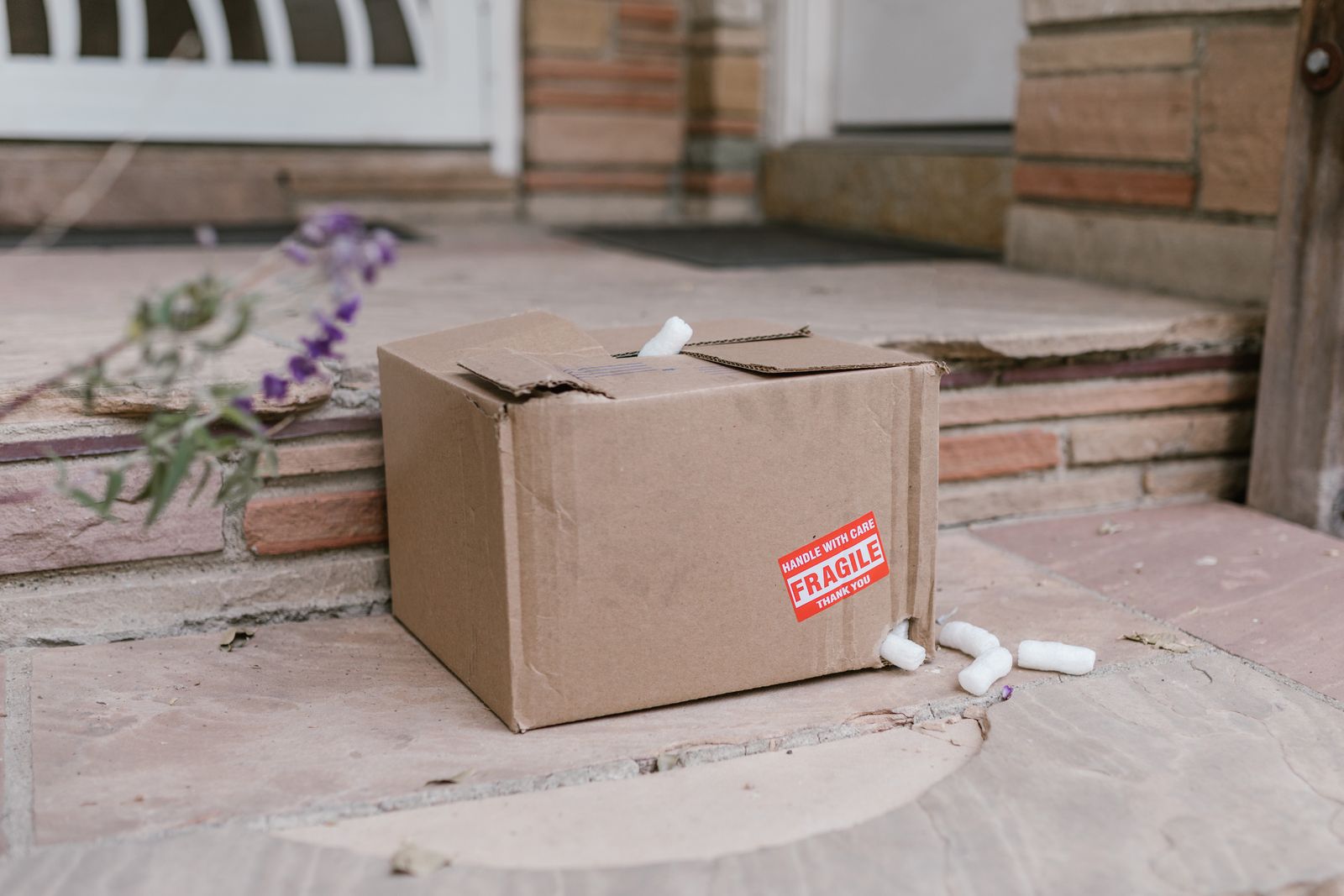
Packages can be part of it too. The FBI’s July 2025 alert describes unsolicited packages with a QR code, a variation of a “brushing scam.” The FBI says to be wary of merchandise you did not order, especially with no sender details. It also says not to scan QR codes from unknown sources.
Black Friday online scams
How you pay decides how much protection you have. The FTC says credit cards offer the strongest protection when you shop online. It also warns about sellers that insist on gift cards, wire transfers, payment apps or cryptocurrency. The FTC explains why: “Scammers will often ask you to pay in a way that makes it hard for you to get your money back.” The FBI says never to wire money directly to a seller.
Gift cards deserve their own warning. The FTC’s gift card scam page says, “No real business or government agency will ever tell you to buy a gift card to pay them.” Scammers who get the card number and PIN can drain the funds. A photo of the card works too. They can do it even if you still hold the card.
The FBI’s page on common frauds and scams advises caution with shopping deals that “seem too good to be true.” That holds during the holidays or any other time of year.
How to avoid Black Friday scams
The agencies’ advice comes down to a short list:
- Pay by credit card and check your statements regularly, per the FBI.
- Get tracking numbers for items you buy online, per the FBI.
- Skip suspicious links and attachments. If a company asks you to update a password, call a number you look up yourself, per the FBI.
- Do not pay a seller with a gift card or a wire transfer, per the FBI.
- Keep records, per the FTC: company name and website, what you ordered and when, what you paid, the return policy and every message.
Reading statements often is one of several banking adjustments, along with fraud alerts and strong passwords. The FTC notes that sellers must ship as promised. If no time is promised, they generally must ship within 30 days. If you paid by credit card and never got the item, you can dispute the charge.
How to report a scam
The FTC’s page on what to do if you were scammed says the first call depends on how you paid. Make that call right away:
- Credit or debit card: contact the issuer or bank, using the number on your card or online account. Ask for a refund.
- Payment app or bank transfer: contact the app or your bank and ask them to reverse the payment.
- Gift card: contact the card issuer, say a scammer tricked you and ask for a refund. Keep the card and receipt.
- Wire transfer: report it to the wire company right away and ask for a refund.
- Cryptocurrency: contact the exchange or ATM operator. The FTC warns recovery can be hard because these payments lack card protections.
- Cash sent by U.S. Mail: call the U.S. Postal Inspection Service at 1-877-876-2455.
Then report the scam to the FTC at ReportFraud.ftc.gov. The FBI asks victims of online crime to report at ic3.gov as soon as possible. It says quick reports can support recovering lost funds. Forward scam texts to 7726 (SPAM), per the FTC. Mail-related fraud can also be reported at uspis.gov/report.
To dispute a credit card charge, the CFPB says to call your card company right away. Then send a written billing error notice within 60 calendar days after the charge appeared on your statement. The company has 30 days to confirm it received your dispute. Keep copies of everything.
A scam loss can leave a hole in the month. Reducing monthly bills is one way to rebuild the gap while a dispute or refund is pending.
Frequently asked questions about Black Friday scams
Does a padlock or https mean a Black Friday website is real?
No. The FTC says to look for “https” in the web address, but scammers can encrypt their sites too. So it does not prove a site is legitimate. The FBI also advises checking reviews and ratings and researching first-time sellers.
Can you get money back from Black Friday scams?
It depends on how you paid. The FTC says to contact the card issuer, bank, app or gift card company right away. Ask for a refund. Credit cards offer the strongest protection, per the FTC, while cryptocurrency payments lack the same protections.
How do I report Black Friday scams?
Report fraud to the FTC at ReportFraud.ftc.gov and to the FBI’s Internet Crime Complaint Center at ic3.gov. Forward scam texts to 7726 (SPAM), per the FTC. Contact your card issuer or bank to dispute suspicious charges.
Is a package I did not order a scam?
It can be. The FBI describes unsolicited packages with a QR code meant to get you to share information or install malware. It calls this a variation of a “brushing scam.” It says not to scan QR codes from unknown sources.
This article is for general information only and is not financial advice. Talk to a licensed financial or tax professional about your own situation.


 Madeline Marshall