
 Del Bailey
The ten historic US towns worth a trip are Williamsburg, Charleston, Savannah, Boston, Santa Fe, Williams, St. Augustine, Gettysburg, Newport and Deadwood. Each still has the forts, battlefields, squares or streets that made it famous, and you can stand on the spot where the history happened.
Updated November 9, 2026.
The United States is packed with history, from big cities to small towns that still echo the past. Whether you’re a history buff or just like pretty old streets, these ten towns make for a trip you’ll remember. Most of us can remember a school field trip to some old fort or house, and the ones that stuck were the places where you could walk around and stand where it happened. That’s the thread running through this list.
Williamsburg, Virginia
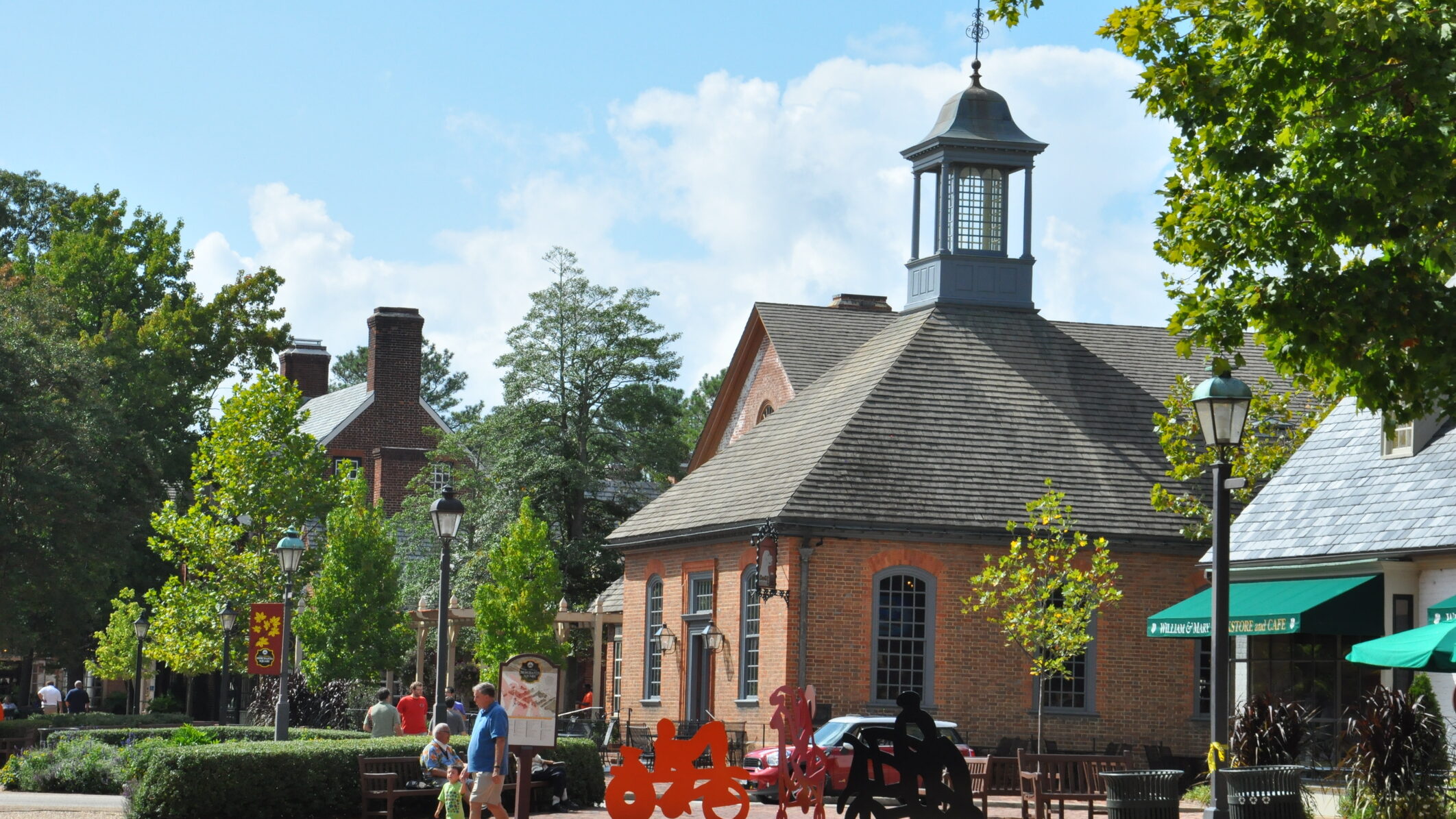
Step back in time to colonial America. Colonial Williamsburg is a living-history museum run by the nonprofit Colonial Williamsburg Foundation. Of the roughly 500 buildings it has restored or rebuilt, 88 are originals, including Bruton Parish Church and the Peyton Randolph House. The Capitol and the Governor’s Palace are reconstructions on their original sites. Costumed staff work the old trades, so you can watch a blacksmith, a printer and a wigmaker at their benches, and they act out scenes from daily life in the 18th century. It’s a fun mix of learning and entertainment, good for families and history fans alike.
Charleston, South Carolina
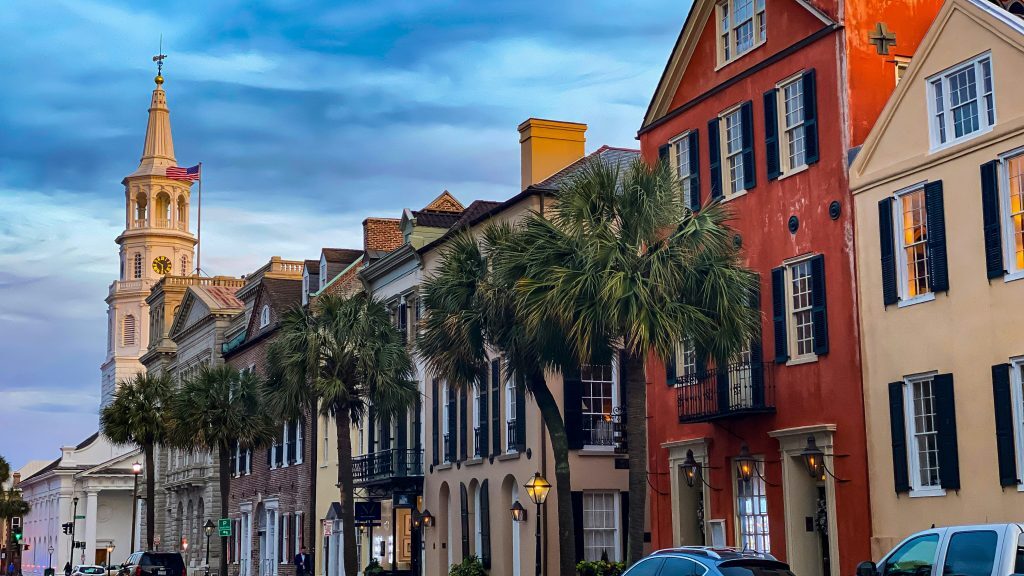
Charleston is known for its old Southern charm and friendly hospitality. Its historic district is full of pastel-colored antebellum homes and oaks hung with Spanish moss, and it’s a lovely place for a slow walk. Out in the harbor sits Fort Sumter, where, as the National Park Service puts it, the Confederacy fired on the US garrison on April 12, 1861, opening the Civil War. The fort is reachable only by ferry through Fort Sumter Tours. It’s worth the trip even if you only have an afternoon. If you have more time, the city is packed with museums and historic landmarks.
Savannah, Georgia

With its cobblestone streets, leafy squares and Gothic Revival buildings, Savannah feels like it’s from another time. James Oglethorpe founded Savannah in 1733 and laid out its first four squares that same year. The grid kept growing on his plan until 24 squares stood downtown by 1851. Three were lost in the 20th century, and Ellis Square came back in 2010, so 22 remain today. Those squares are what make Savannah so walkable: you’re never more than a block or two from a shaded place to sit. Anyone who has walked a hot city street at noon knows how much a shady bench is worth. Take a guided walking tour or wander the historic homes and churches at your own pace, and save time for Forsyth Park and a stroll along River Street on the Savannah River.
Boston, Massachusetts
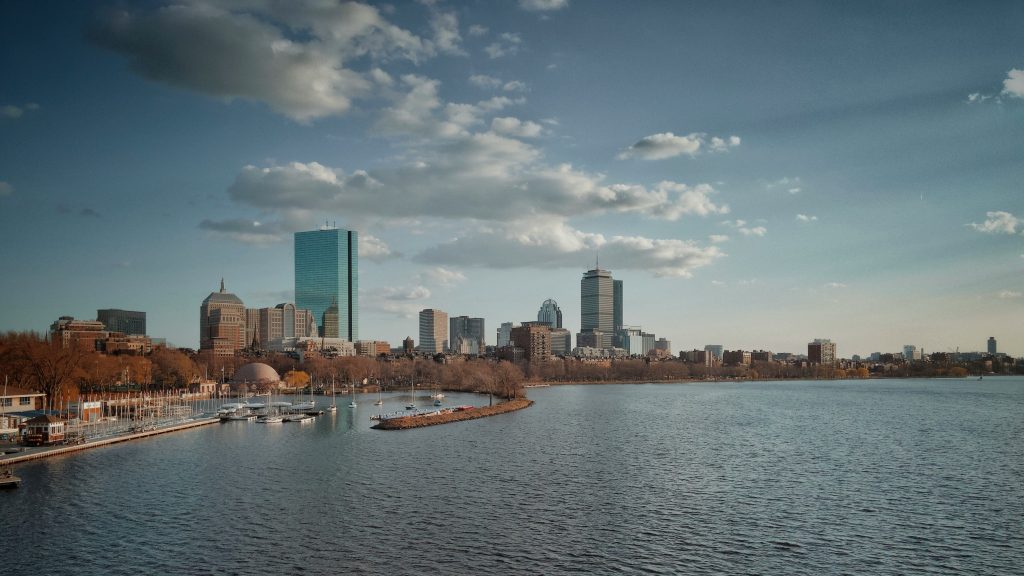
Boston is soaked in Revolutionary War history. The Freedom Trail is a 2.5-mile route linking 16 historic sites, including Paul Revere’s House and the Old North Church. On April 18, 1775, Revere had two lanterns hung in that church’s steeple to warn patriots in Charlestown that British troops were moving. Faneuil Hall opened in 1742 as a marketplace and meeting hall and is still part of Faneuil Hall Marketplace, now with shops on the ground floor. For something hands-on, try the Boston Tea Party Ships & Museum. Boston’s edge over other colonial cities is density, and most of us have wished for a trip where the sights are close enough to walk between. You can walk the whole trail in an afternoon, then fill the rest of the day with museums, a meal at an old tavern or a harbor cruise.
Santa Fe, New Mexico

Santa Fe sits at the foot of the Sangre de Cristo Mountains, where Native American, Spanish and Anglo cultures blend together. It has been a capital almost continuously since 1610, which makes it the oldest state capital in the United States. The Palace of the Governors on the north side of the Plaza was the seat of New Mexico’s government until 1901. Pueblo people ran the province from that same building between 1680 and 1692, after the Pueblo Revolt. Its restoration became the model for the Pueblo Revival look you see all over town, and the New Mexico History Museum sits right behind it. Between the adobe buildings and the lively arts scene, it’s an easy town to love.
Williams, Arizona
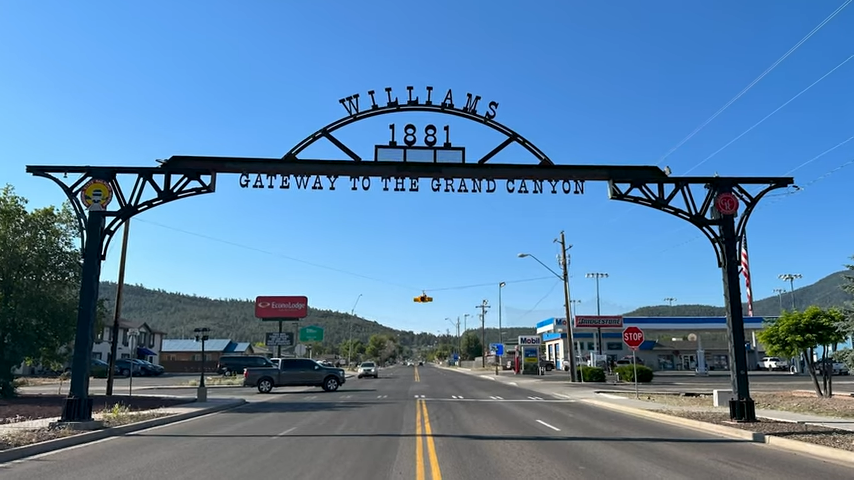
Step into the Old West. Williams sits on Route 66 with historic storefronts, wooden sidewalks and an old railroad depot, and calls itself the “Gateway to the Grand Canyon.” The Grand Canyon Railway, finished in 1901, still runs 64 miles from the Williams depot to Grand Canyon Village. Williams was also the last town on Route 66 to be bypassed by Interstate 40, on October 13, 1984. Its main street still feels like the old highway, which is the reason to stop. Local museums cover the town’s railroad and cowboy history, and it’s a favorite stop for anyone driving the American West.
St. Augustine, Florida
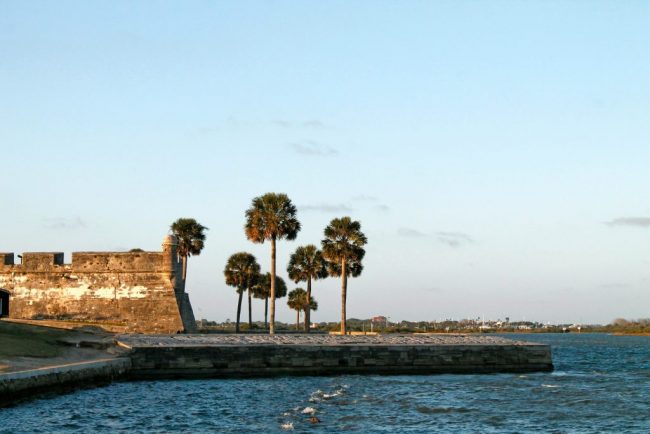
Pedro Menéndez de Avilés founded St. Augustine for the Spanish Crown in 1565, and it is the oldest continuously occupied European-founded settlement in the continental US. Castillo de San Marcos, begun in 1672 from coquina, a stone made of old shells bonded together, is the oldest masonry fort in the continental United States. The National Park Service runs it today. Afterward, wander St. George Street, where shops fill the old buildings. With its old fort, coastal views and Southern charm, St. Augustine gives you a real look at Florida’s colonial past.
Gettysburg, Pennsylvania

This is solemn ground, and most of us go quiet when we stand somewhere that once held so much history. The Battle of Gettysburg ran July 1 to 3, 1863. The American Battlefield Trust estimates 51,112 casualties: 23,049 Union and 28,063 Confederate. Gettysburg National Military Park covers the battlefield itself, with monuments marking where units fought, and the park’s Museum and Visitor Center fills in the wider story. Take a guided tour to learn why the battle mattered, and look for the old homes that served as field hospitals during the fighting. Give the battlefield a full day. The town is small, but the ground is not.
Newport, Rhode Island
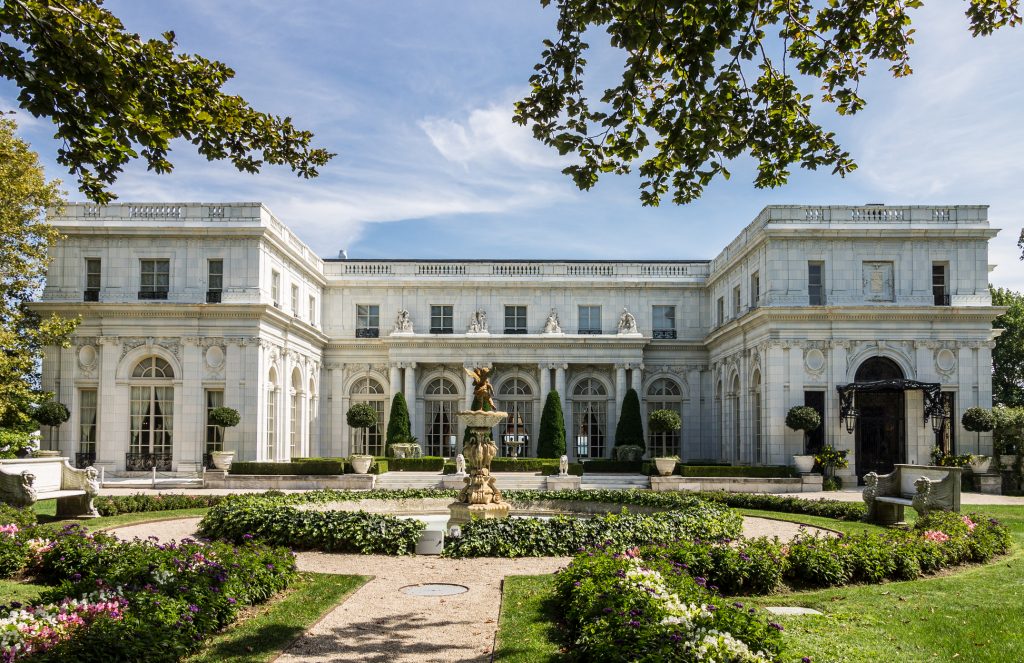
Newport’s Gilded Age mansions were summer “cottages” for the very rich, and touring them is a peek at how America’s wealthiest families lived in the late 1800s and early 1900s. The Breakers, a 70-room house built from 1893 to 1895 for Cornelius Vanderbilt II, is open for tours, and the family gave much of its furniture to the Preservation Society of Newport County. The Cliff Walk runs 3.5 miles along the shore as a public right-of-way, and it costs nothing to walk. Fort Adams, a coastal fort from the early 19th century, sits across town. You can also stroll the historic district, with its colonial-era buildings and quaint shops.
Deadwood, South Dakota
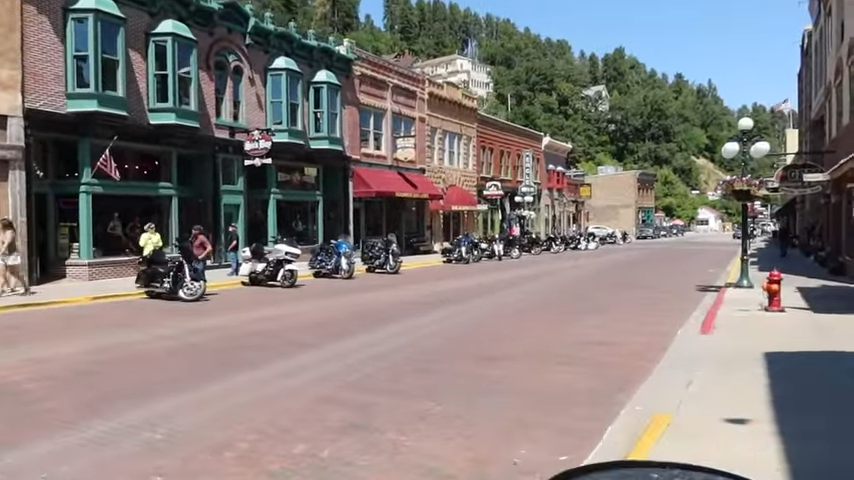
Deadwood is a legendary frontier town with colorful characters, and most of us have seen enough Western movies that its main street feels oddly familiar. It was founded in April 1876 during the Black Hills gold rush. Wild Bill Hickok was killed there on August 2, 1876, and he and Calamity Jane are both buried in Mount Moriah Cemetery above town. A fire on September 26, 1879, destroyed more than 300 buildings. What was built after it held up well enough that the whole town was named a National Historic Landmark in 1961. Main Street is still saloons, casinos and museums, so you can walk in the footsteps of those old legends, or join a historic tour of the town’s wild past.
Several of these towns anchor a longer road trip. Williams puts you an easy train ride from the Grand Canyon, and our list of the top national parks to visit in the US can help you build out a Western loop. If the trip has to fit a tight budget, these ideas for traveling on a budget and a few travel hacks for a better trip help with lodging and getting around.
Historic US towns: FAQ
Which US town is the oldest?
St. Augustine, Florida, founded in 1565, is the oldest continuously occupied European-founded settlement in the continental United States. Santa Fe, a capital almost continuously since 1610, is the oldest state capital. Both still have buildings from the Spanish colonial era you can walk into, including the Castillo de San Marcos and the Palace of the Governors.
What’s the best historic town for Civil War history?
Gettysburg, Pennsylvania. The three-day battle in July 1863 left an estimated 51,112 casualties, per the American Battlefield Trust, and the national military park covers the battlefield with monuments marking unit positions. Charleston is the other pick: Fort Sumter, where the war’s first shots were fired on April 12, 1861, sits in its harbor.
Which of these towns is best for a Wild West trip?
Deadwood, South Dakota, and Williams, Arizona. Deadwood leans into its gold-rush history and the graves of Wild Bill Hickok and Calamity Jane, and the whole town is a National Historic Landmark. Williams leans into Route 66 and the Grand Canyon Railway, which still runs 64 miles to the canyon’s South Rim.
Can you visit all of these towns on one trip?
Not practically. They’re spread from Rhode Island to Arizona. Grouping by region works better: Charleston, Savannah and St. Augustine make one Southern coastal trip; Boston, Newport, Gettysburg and Williamsburg make an East Coast run; and Santa Fe, Williams and Deadwood fit a long Western drive.

 Madeline Marshall

 Tami Benedict