
 Madeline Marshall
To heal chapped lips in winter, use a fragrance-free ointment or balm several times a day and before bed. Stop licking your lips. The American Academy of Dermatology (AAD) says lips should improve within 2 to 3 weeks. Wear SPF 30 balm outdoors. If lips have not healed by then, see a dermatologist.
Published October 26, 2026.
This article is general information, not medical advice. A dermatologist should see lips that stay cracked, scaly or sore after 2 to 3 weeks of care. Nothing here replaces that visit.
I live in the Pacific Northwest, where winter brings wind and cold rain. I have also flown enough to know how dry cabin air feels on the lips. Those two settings, wind outside and dry air inside, shaped this guide. Each section takes one situation and answers it from the sources. The Health category collects the site’s related guides.
Which Ingredients Help Chapped Lips, and Which Irritate Them?
Bland, plain ingredients help, and anything that tingles hurts. The American Academy of Dermatology (AAD) page on healing dry, chapped lips lists what to look for and what to avoid. Also, it says to stop any lip product that burns, stings or tingles. It asks for products labeled fragrance-free and hypoallergenic.
The AAD names cold, dry weather, sun damage and frequent lip licking as causes. The MedlinePlus entry on chapped lips points the same way. It advises lip balm before dry, cold or windy weather and a humid home. So the fix has to cover the weather and the habit.
| Ingredient | Soothing or irritating | Note from the AAD page |
|---|---|---|
| Petrolatum and white petroleum jelly | Soothing (look for) | The AAD names a thick ointment such as white petroleum jelly for very dry, cracked lips |
| Mineral oil | Soothing (look for) | On the AAD list of ingredients to look for |
| Dimethicone | Soothing (look for) | On the AAD list of ingredients to look for |
| Ceramides | Soothing (look for) | On the AAD list of ingredients to look for |
| Shea butter | Soothing (look for) | On the AAD list of ingredients to look for |
| Castor seed oil | Soothing (look for) | On the AAD list of ingredients to look for |
| Hemp seed oil | Soothing (look for) | On the AAD list of ingredients to look for |
| Titanium oxide and zinc oxide | Soothing (look for) | The sun-protective ingredients the AAD wants in a lip balm with SPF 30 or higher |
| Camphor | Irritating (avoid) | On the AAD avoid list |
| Eucalyptus | Irritating (avoid) | On the AAD avoid list |
| Menthol | Irritating (avoid) | On the AAD avoid list |
| Flavorings such as cinnamon, citrus, mint and peppermint | Irritating (avoid) | The AAD names these flavors specifically |
| Fragrance | Irritating (avoid) | The AAD also says to choose fragrance-free products |
| Lanolin | Irritating (avoid) | On the AAD avoid list |
| Octinoxate and oxybenzone | Irritating (avoid) | On the AAD avoid list; both are sunscreen filters, so an SPF balm needs a label check |
| Phenol (also written as phenyl) | Irritating (avoid) | On the AAD avoid list |
| Propyl gallate | Irritating (avoid) | On the AAD avoid list |
| Salicylic acid | Irritating (avoid) | On the AAD avoid list |
The table sorts the AAD’s own list into two groups. One row deserves a second look. Octinoxate and oxybenzone are sunscreen ingredients, so a balm that offers SPF has to be checked against the avoid list. Instead, the AAD points to titanium oxide and zinc oxide for sun protection.
Generic names matter because they are the ones printed on the ingredient panel. So flip the tube over and read that panel. A front label that says soothing or cooling tells you nothing about what is inside.
How Do You Heal Lips That Crack at the Corners?
Start with the same plain barrier, then watch the calendar. The StatPearls entry on angular cheilitis covers angular cheilitis, the medical name for inflammation at the corners of the mouth. It is published by StatPearls through the NIH’s NCBI Bookshelf. The entry says petrolatum, emollients or lip balm are essential and may be enough when no clear cause turns up. It also says to reassess at about 2 weeks.
Corner cracks have more possible causes than lips that are dry along the middle. For example, the entry lists saliva pooling at the corners, lip licking, dry mouth and drooling. Ill-fitting dentures, low levels of B vitamins, iron or zinc, and infection are on the list too. Candida, a yeast, is the most common cause it names. Because several of those are medical, a bare moisturizer does not always settle the problem.
Two warnings come from the same entry. First, if first-line treatment has not worked within 2 to 3 weeks, it calls for further testing. Second, corner cracks tend to show up on both sides, and the entry says a one-sided crack without a clear cause warrants further investigation. The AAD’s rule covers it: lips that have not healed in 2 to 3 weeks are a reason to see a board-certified dermatologist, not to try another balm. Poorly fitting dentures are another cause, and the entry lists a dentist as the right referral for that one.
How Do You Heal Lips That Peel?
Stop picking at them, and put something bland on instead. For one thing, the AAD lists stopping licking, biting and picking as one of its seven tips. It says that as saliva evaporates, lips become drier. Therefore, reach for balm when the urge to lick hits.
The NIH-hosted StatPearls entry on cheilitis describes the trap. A person with dry lips may start licking to pick up the scales, “which further aggravates the problem,” in the entry’s words. Its management line for dry, chapped lips is short: avoid lip sucking, lip balms or any other agent causing the problem, and apply petroleum jelly. That matches the AAD’s advice to drop any product that stings.
Flavored balm is a poor choice here. The AAD says cinnamon, citrus, mint and peppermint flavors can be especially irritating to dry, chapped lips. However, a flaky patch that stays scaly for weeks is a different story. The AAD describes actinic cheilitis as a precancerous condition that leaves lips dry and scaly. It says a dermatologist can diagnose the cause. Meanwhile, the StatPearls cheilitis entry ties that condition to chronic sun exposure and notes that the lower lip border gets the most ultraviolet radiation.
Why Do Lips Sting With Every Balm?
A sting is information. The AAD says a lip product that burns, stings or tingles is irritating the lips. Its advice is to stop using it. That includes products that seem to work because they tingle, so do not mistake a tingle for progress.
First, check the label against the table above. Menthol, camphor, eucalyptus, mint flavorings, fragrance and lanolin are all on the AAD list. So the simplest test is one product with one job, such as plain white petroleum jelly. If the sting stops, the old product was the problem.
If everything stings, the cause may not be the weather. The AAD lists an allergic reaction among other possible causes and sends people to a dermatologist. Likewise, the StatPearls cheilitis entry describes a contact form, often called lipstick cheilitis. It is a delayed reaction to something that touches the lips. A dermatologist can sort that out, so the next step is an appointment, not a bigger shopping trip.
How Do You Protect Chapped Lips in Dry Indoor Heat?
Add humidity to the room, especially where you sleep. The AAD recommends a humidifier at home, especially in the bedroom. It stresses this for people who breathe through the mouth at night. MedlinePlus also says to keep the air at home humid.
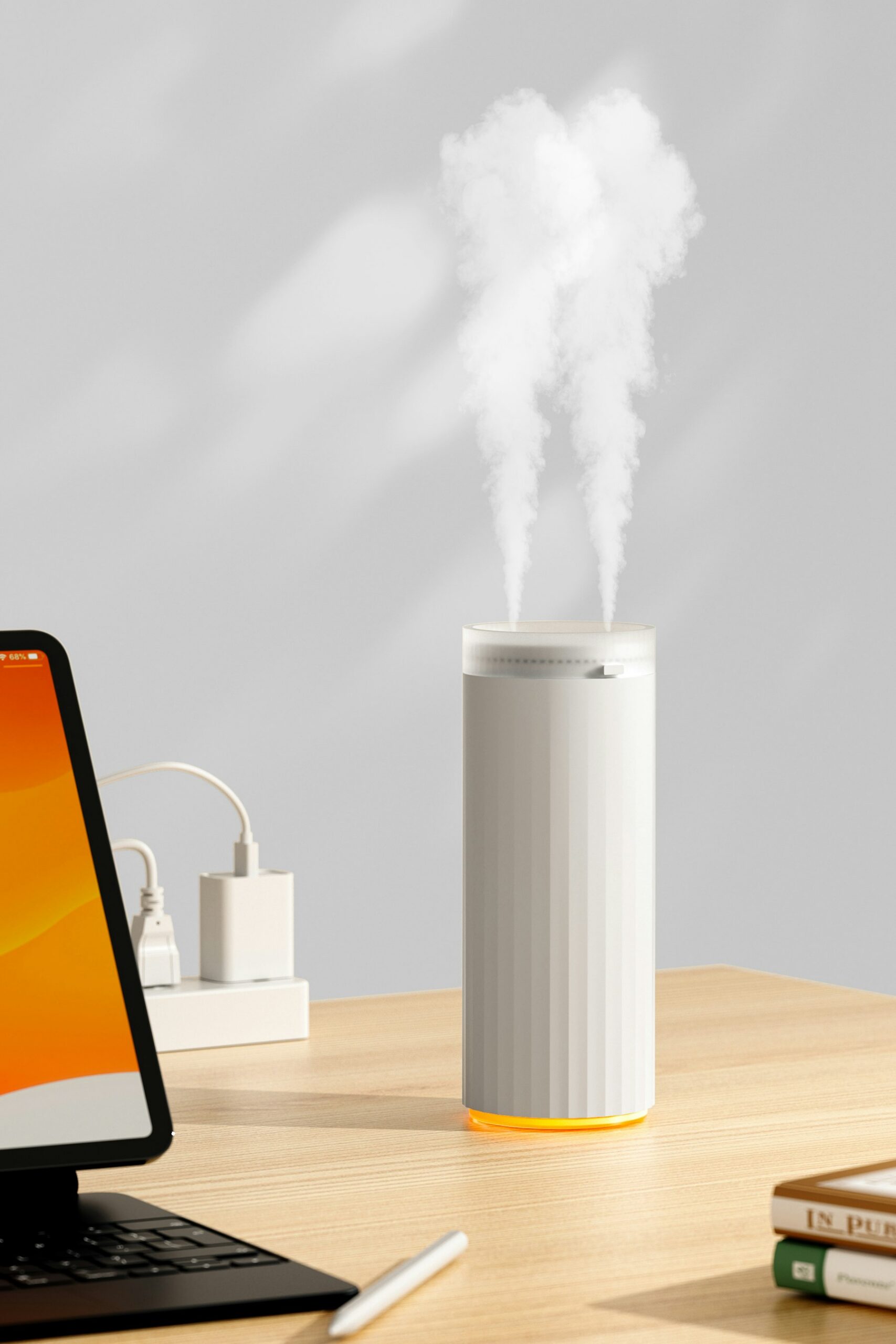
A humidifier needs care of its own. MedlinePlus’s entry on humidifiers, reviewed October 20, 2024, says to use a cool-mist unit. It says to set the unit to 40 to 50 percent humidity and keep it about 2 meters, or several feet, from the bed. Also, drain and clean it every day and use distilled water, because bacteria can grow in standing water. If room surfaces stay damp to the touch, it warns, mold and mildew can grow.
Travel days count as dry indoor days. On a flight, the routine does not change. So put balm on before boarding, and again whenever the lips feel tight. The AAD’s rule is to keep using balm whenever lips are dry, indoors or out. For the rest of the carry-on, the guide to 10 travel hacks for a better trip is a useful companion.

How Do You Protect Chapped Lips Outdoors in Wind and Sun?
Put on balm with SPF before you leave, and cover up in the wind. The AAD says to use a non-irritating balm with SPF 30 or higher before going outside, even in winter. It says to reapply every 2 hours while outdoors. For sun protection, it wants titanium oxide or zinc oxide. The AAD also warns that sun can burn chapped lips and may trigger cold sores.
The FDA sunscreen page sets a lower baseline for sunscreen in general. It recommends a broad-spectrum product with an SPF of at least 15, and says broad spectrum covers both UVA and UVB. Lips appear on its list of frequently forgotten spots, with the instruction to use SPF lip balm. The page adds that SPF values primarily indicate UVB protection. It also says to reapply sunscreen at least every two hours. For lips, then, the AAD’s higher number is the one to follow. The site’s 10 summer skincare tips cover the same sun habits for the rest of your skin.
Wind is the other half. MedlinePlus says to put on lip balm or lipstick before going out in dry, cold or windy weather. Where I live, wind is the part of winter I plan around, so a scarf over the mouth comes along too.
How Often Should You Apply Balm to Chapped Lips?
Several times a day and before bed, according to the AAD. The page gives no exact count for indoor days. So tie each application to a moment you already have, such as waking, a midday break and bedtime. That pairing is my own habit-building suggestion, not an AAD number. The only hard interval in the sources is for the sun, which is every 2 hours outdoors.
| Setting | When | What to apply | Source |
|---|---|---|---|
| Indoors, daytime | Several times a day, and whenever lips feel dry | Non-irritating balm or moisturizer | AAD |
| Indoors, very dry or cracked lips | Same schedule, and before bed | Thick ointment such as white petroleum jelly | AAD |
| Bedtime | Before bed | Balm or ointment, plus a humidifier in the bedroom | AAD |
| Before going outside, even in winter | Once, before you leave | Non-irritating balm with SPF 30 or higher and titanium oxide or zinc oxide | AAD |
| Outdoors | Every 2 hours | The same SPF balm, reapplied | AAD; FDA says at least every two hours for sunscreen |
| Windy, cold or dry weather | Before going out | Lip balm or lipstick | MedlinePlus |
| Whenever you want to lick | Right then | Balm, instead of licking | AAD |
The table uses only cadences the sources give. Where a source gives no number, the cell says when rather than how many.
Water belongs in the routine, but it works as support. The AAD lists drinking plenty of water among its seven tips. MedlinePlus also says to drink extra fluids in winter. However, the MedlinePlus dehydration entry lists a dry or sticky mouth among the signs of mild to moderate dehydration, and it does not list dry lips specifically. So water helps the whole body. The lips still need balm, less licking and more humidity.
When Do Chapped Lips Need a Dermatologist?
After 2 to 3 weeks without improvement. The AAD says noticeable improvement should show within that window when you follow its tips. If lips have not healed, it says to see a board-certified dermatologist. The cause may be an allergic reaction, a yeast infection or something more serious.
Three signs are worth raising with a dermatologist or other health care provider, based on the sources above:
- Sores on the lips that will not heal, which MedlinePlus says to take to a health care provider.
- A dry, scaly lip that does not clear, which the AAD ties to actinic cheilitis and says a dermatologist can diagnose.
- A crack at only one corner of the mouth with no clear cause, which the StatPearls angular cheilitis entry says warrants further investigation.
So none of this calls for self-treatment beyond the balm and ointment above. The point of the dermatologist visit is the diagnosis.
What Else Do People Ask About Chapped Lips?
How Long Do Chapped Lips Take to Heal?
The AAD says to expect noticeable improvement in 2 to 3 weeks. That assumes a non-irritating balm, no licking, plenty of water and added humidity. Also, keep applying balm whenever lips feel dry so the chapping does not return. However, if lips have not healed in that window, see a board-certified dermatologist.
Is Petroleum Jelly Good for Dry Lips?
Yes, per the AAD. It lists white petroleum jelly among its ingredients to look for and recommends a thick ointment like it for very dry, cracked lips. The AAD says ointment seals in water longer than waxes or oils. Also, MedlinePlus lists petrolatum as a home-care option.
Does Drinking More Water Fix Dry Lips?
Not by itself. The AAD lists drinking plenty of water as one of seven tips, and MedlinePlus advises extra fluids in winter. Both sources list water alongside other steps. Therefore, balm, no licking and a humid room do the direct work, and water supports them.
Does Licking Help Chapped Lips?
No. The AAD says that as saliva evaporates, lips become drier. The StatPearls cheilitis entry adds that licking to pick up scales further aggravates the problem. Instead, the AAD says to apply lip balm when the urge hits.
What Is the First Thing to Do About Chapped Lips?
I would check my balm against the AAD’s avoid list first, because a product that stings or tingles can keep lips chapped however often it goes on. Then I would stop licking and switch to a plain ointment before bed. After that, I would give the routine the 2 to 3 weeks the AAD allows. Outdoors, SPF 30 balm with titanium oxide or zinc oxide goes on too.
However, if the corners stay cracked, a patch stays scaly or a sore will not close, I would book the dermatologist. Waiting out the winter is the wrong plan then.

 Jim Owen