 Del Bailey
How long can food sit out at a holiday party? Two hours for perishable dishes, or one hour if it is above 90°F, according to USDA and FDA. The clock stops only for food held at 140°F or warmer, or 40°F or colder. The table below sets a window for each dish.
Published October 27, 2026.
This article is general food safety information and is not medical advice. Pregnant guests, guests over 65 or under 5, and guests with weakened immune systems should ask a doctor about party food. Call a doctor if someone gets sick after a meal.
I cook most nights, and I have set out more holiday spreads than I can count. In my experience the cooking is the easy part. The serving window is where people lose track. That is true even for a cook who spent days thawing the turkey the right way.
How long can food sit out at a holiday party?
Here is the reference table first. Every dish in it is perishable. The clock is 2 hours at room temperature and 1 hour above 90°F, unless the dish is held hot or cold. The last column names the rule each row rests on. Where it says “my rule,” no agency page I read gives that food a separate number.
| Dish | How to hold it | Window up to 90°F | Window above 90°F | Rule it rests on |
|---|---|---|---|---|
| Sliced turkey | Hot, 140°F or warmer | 2 hours | 1 hour | FDA buffet page: discard perishables out more than 2 hours unless kept hot; hot food at 140°F internal |
| Gravy | Hot, 140°F or warmer | 2 hours | 1 hour | FSIS Kitchen Companion: bring gravies to a rolling boil before serving; FDA 140°F hot-holding line |
| Stuffing | Hot, 140°F or warmer | 2 hours | 1 hour | FSIS Kitchen Companion: turkey stuffing reaches 165°F at the center; FDA 140°F hot-holding line |
| Mashed potatoes | Hot, 140°F or warmer | 2 hours | 1 hour | FDA Food Code 2026: heat-treated plant food is a time/temperature control food; FDA buffet 2-hour rule |
| Dip made with sour cream or cream cheese | Cold, 40°F or colder, on ice | 2 hours | 1 hour | FDA buffet page: cold food at 40°F or colder, plates of cold food on ice; my rule for dairy dips |
| Cheese board | Cold; room temperature inside the window | 2 hours | 1 hour | FDA buffet page: 2-hour rule for perishables; my rule, since no page sets a separate time for cheese |
| Cut fruit | Cold, 40°F or colder, on ice | 2 hours | 1 hour | FSIS Kitchen Companion: refrigerate cut fruit within 2 hours; FDA Food Code 2026 names cut melons |
| Deviled eggs | Cold, 40°F or colder | 2 hours | 1 hour | FDA buffet page: cold food at 40°F or colder; FDA Food Code 2026: heat-treated animal food is a control food |
| Custard or pumpkin pie | Cold, 40°F or colder | 2 hours | 1 hour | FSIS Kitchen Companion: pumpkin, custard and chiffon pies sit in the refrigerated chart |
| Fruit pie | Room temperature | 2 hours (my rule) | 1 hour (my rule) | No agency page I read names baked fruit pie; I hold it to the same limits for simplicity |
FDA’s Serving Up Safe Buffets page is the source for the 2-hour, 1-hour, 140°F and 40°F figures. Its content is current as of March 5, 2024. FSIS’s “Keep Food Safe!” page and its Danger Zone page give the same numbers. CDC’s “Preventing Food Poisoning” page, updated November 24, 2025, repeats the 2-hour and 1-hour limits.
How hot or cold must food be to sit out safely?
This is the second column of the table. Hot food stays at 140°F or warmer, and cold food stays at 40°F or colder. Those two numbers come from FDA’s buffet page. FSIS’s “Keep Food Safe!” page repeats them and adds that you should use a food thermometer to check both.
Between the two lies the Danger Zone, which FSIS defines as 40°F to 140°F, where bacteria grow most rapidly. FSIS also says they can double in number in as little as 20 minutes. So a dish that has cooled to 120°F on a warming tray is no longer in the safe hot range.
You may see 135°F and 41°F instead. Those are the holding temperatures in section 3-501.16 of the FDA Food Code 2026. It is a model rule written for restaurants and stores. However, the home-facing pages from USDA and FDA use 140°F and 40°F. Those are the numbers I use, since they leave more margin.
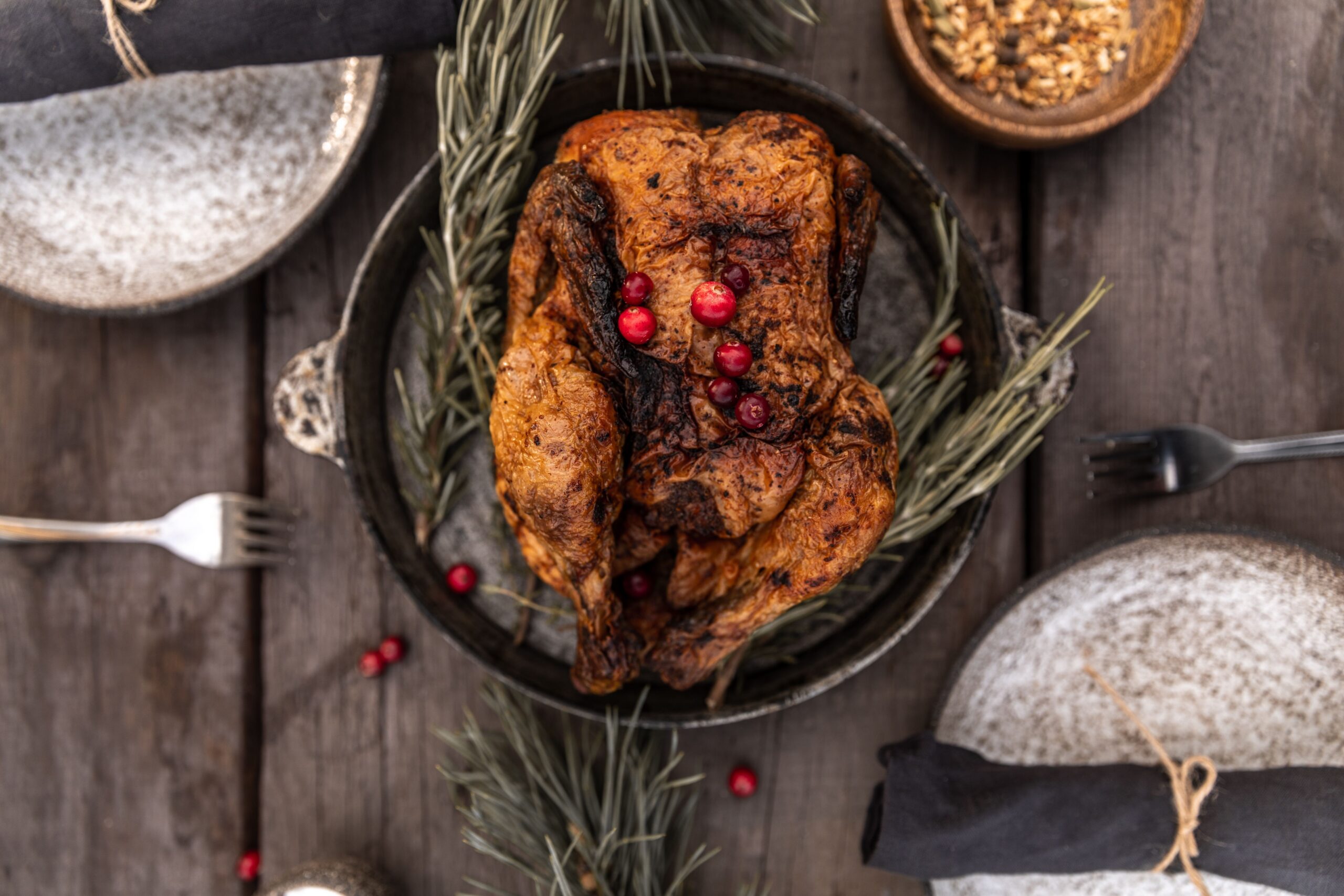
For hot food, FDA names chafing dishes, slow cookers and warming trays as ways to keep it hot. FoodSafety.gov’s page on keeping hot foods hot and cold foods cold adds three habits. Set up a chafing dish by the maker’s directions, check that the water level holds and the heat stays lit, and keep a slow cooker plugged in. The same page warns that these warmers only keep food hot, so the food must be fully cooked before it goes in. Check it with a food thermometer before guests line up.
For cold food, FDA says to place plates of cold food on ice to retain the chill. FoodSafety.gov says to put out smaller portions of cold items at a time. It also says to drain meltwater from an ice bath and replace the ice as needed.
Why can food sit out for only 2 hours, or 1 hour in heat?
These are the third and fourth columns. FSIS’s Danger Zone page says never to leave food out of refrigeration over 2 hours. It adds that if the temperature is above 90°F, food should not be left out more than 1 hour. CDC’s prevention page gives the same two limits. FDA words it as a discard rule for perishables left at room temperature, unless kept hot or cold.
The reason is growth speed. Take FSIS’s figure of doubling in as little as 20 minutes. Two hours is 120 minutes, and 120 ÷ 20 = 6 doublings. Six doublings is 2 × 2 × 2 × 2 × 2 × 2 = 64. So at the fastest pace FSIS describes, each bacterium becomes 64. One hour is 3 doublings, or 8. That is my arithmetic on an upper-bound rate, but it shows why heat shortens the window so sharply.
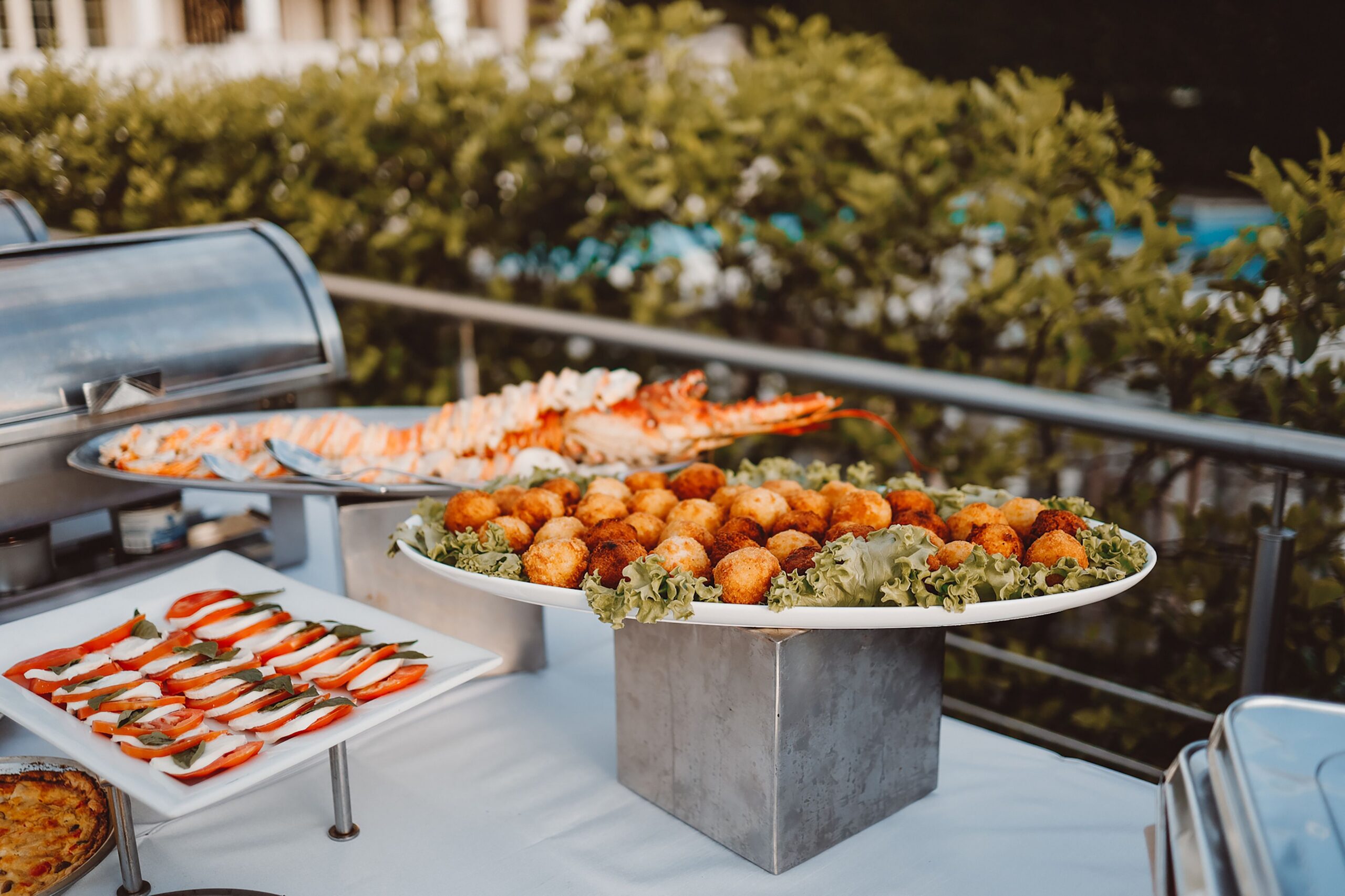
The pages say only that food is left out, or out of refrigeration. They do not say whether time on and off the table adds up. My rule is that it does. I add the minutes together. A platter that returns to the refrigerator and comes back keeps its running total. FSIS’s December 11, 2018 holiday release says to keep track of how long items sit on the buffet table. Write the time on a sticky note beside each dish.
Still, heat is easier to hit than it sounds. An outdoor table in a warm climate or a packed room with the oven running can pass 90°F. So check a thermometer near the table before you decide which window applies.
You may also see 4 hours quoted. Section 3-501.19 of the FDA Food Code 2026 covers it. A business may use time alone as the control for up to 4 hours. It requires written procedures. In most cases, food must also start at 41°F or colder if cold, or 135°F or higher if hot. Both parts of that rule are for businesses. For a home party, I stay with 2 hours.
Which holiday dishes are riskiest to leave out?
This is the last column of the table, the rule each row rests on. No dish is risk-free, but the rules show why some belong on the watch list.
Cut fruit comes first. The FDA Food Code 2026 names cut melons, cut leafy greens and cut tomatoes as time/temperature control foods. In plain terms, they need timed handling the way meat does. The FSIS Kitchen Companion says to throw away fresh fruit not refrigerated within 2 hours of cutting. So a fruit platter on the counter is on the clock from the cut.
The same Food Code definition covers any animal food that is raw or heat-treated, plus heat-treated plant food. That brings in the turkey, the deviled eggs and the pot of mashed potatoes. Gravy and stuffing, however, have their own steps. The Kitchen Companion says to bring gravies and sauces to a rolling boil before serving. It also says to move stuffing from a cooked bird into a separate covered container.
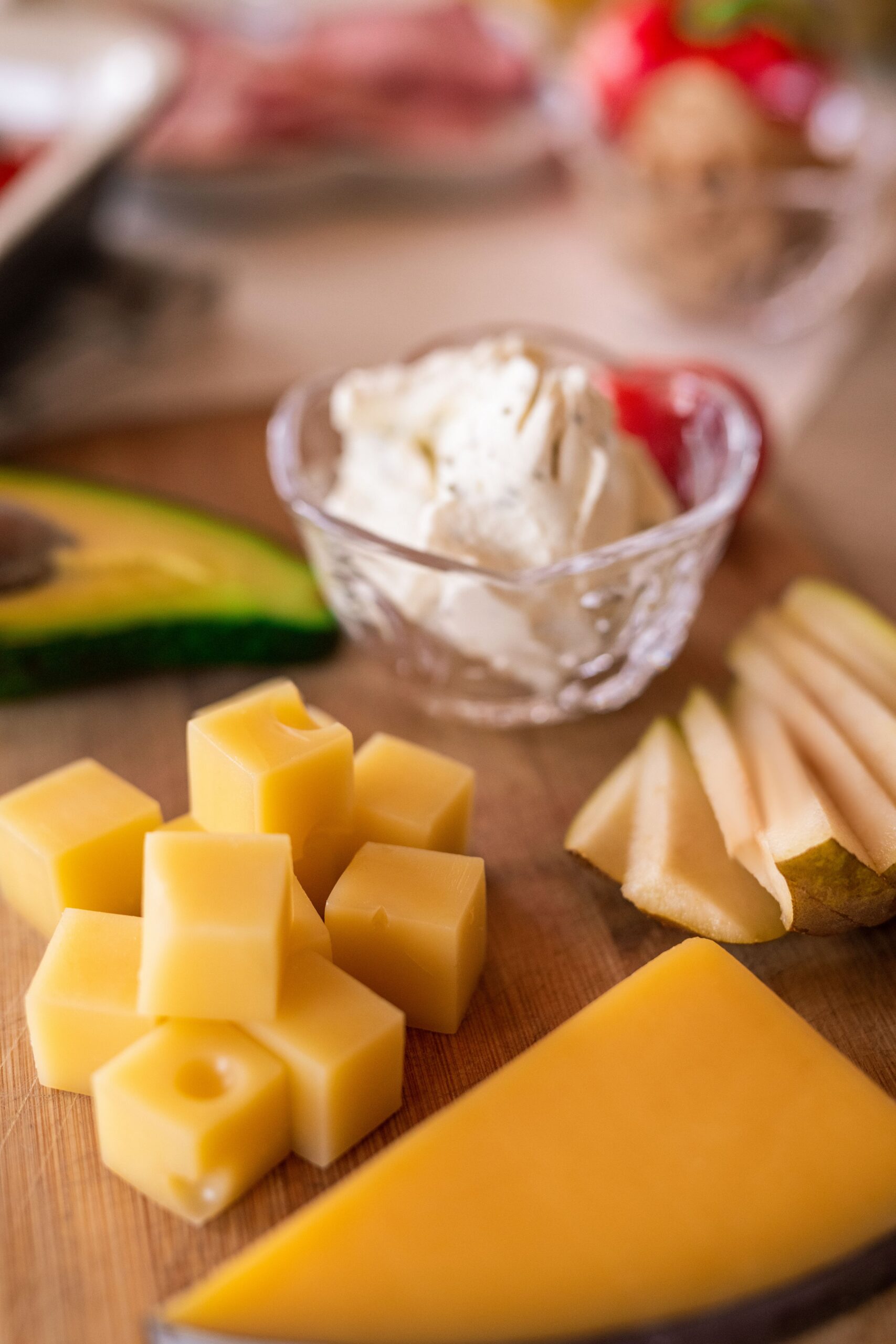
Dips and cheese boards are the quiet risk. No agency page I read names dairy dips, so I treat them as cold perishable food. FSIS’s Leftovers page gives chicken salad and a platter of deli meats as examples, kept at 40°F or below. The same gap applies to cheese. No page gives cheese its own serving window, so the table applies 2 hours to the whole board. If your snack table also carries cold cuts and cut fruit, treat the whole table as one clock. This list of Thanksgiving snacks is a good reminder of how many of them are cold perishables.
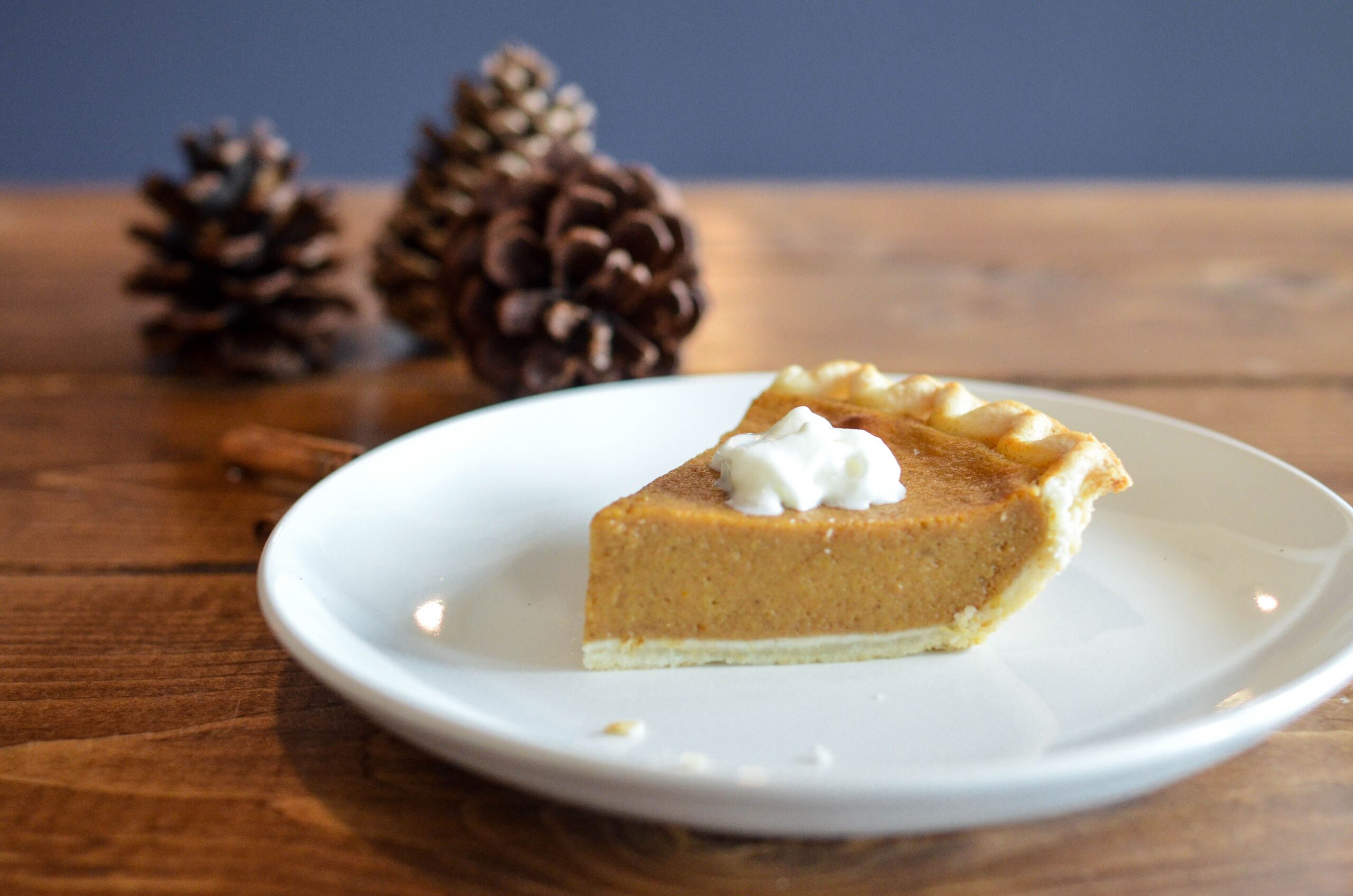
Then there is pie, the dish people forget. The Kitchen Companion lists pumpkin, pecan, custard and chiffon pies in its refrigerated storage chart, at 3 to 4 days. That is why the table treats custard and pumpkin pie as cold perishables. It gives no row for fruit pie, so fruit pie follows my rule and gets the same 2 hours.
How often should you swap a dish on the buffet?
FDA says to keep buffet portions small and to replace serving dishes with fresh ones throughout the party. In other words, swap a dish instead of topping it off. The table below is my plan, not an agency rule. It sets the swap time at half of each window. That leaves a margin for a late guest or a forgotten dish. Arrange the small platters well, and the table looks better too; these food presentation tips for the home help.
The example is a 4-hour party, 240 minutes, with a recipe that serves 24 people.
| Scenario | Agency window | My swap or check rule | Arithmetic | Result |
|---|---|---|---|---|
| Cold or room-temperature dish, air up to 90°F | 2 hours = 120 min | Swap every 60 min (120 ÷ 2) | 240 ÷ 60 = 4 batches; 24 ÷ 4 = 6 servings per batch | 4 batches of 6 |
| Cold or room-temperature dish, air above 90°F | 1 hour = 60 min | Swap every 30 min (60 ÷ 2) | 240 ÷ 30 = 8 batches; 24 ÷ 8 = 3 servings per batch | 8 batches of 3 |
| Hot dish in a chafing dish or slow cooker | No clock while held at 140°F or warmer | Check with a food thermometer every 30 min | 240 ÷ 30 = 8 checks | 8 checks |
Here is how the first row plays out for a party from 4:00 to 8:00 PM. Batch one goes out at 4:00, batch two at 5:00, batch three at 6:00 and batch four at 7:00. Each batch sits for at most 60 minutes. The last one is gone by 8:00, 60 minutes after it went out and well inside the 120-minute window. Also, keep the unserved batches in the refrigerator, or hot at 140°F or warmer, until their swap time.
In the heat row, you need more batches, but each one is smaller. That is the point. Small batches mean less food to throw away when a dish reaches its limit. FSIS says to refrigerate perishable food within 2 hours, or 1 hour above 90°F. So a dish that comes off inside its window can go back in the refrigerator. One past its limit goes in the trash.
Who gets sick most easily from food that sat out?
CDC’s People at Increased Risk for Food Poisoning page, last updated January 31, 2025, names four groups. They are people 65 and older, children under 5, people with weakened immune systems and pregnant women. Its examples of a weakened immune system include diabetes, liver or kidney disease, HIV, and chemotherapy or radiation therapy.
Holiday tables often seat several of those guests at once. So the swap schedule matters most for them. Hand those guests a plate from the freshest dish, not the one that has been out the longest. When a dish is close to its limit, retire it a little early instead of arguing over the last spoonful.
How long can food sit out? Common questions
Can food sit out for 4 hours?
No. USDA, FDA and CDC all give 2 hours for perishable food, or 1 hour above 90°F. The FDA Food Code does have a 4-hour figure. It applies only to restaurants and stores that follow written procedures and start food at a set temperature. At home, treat 2 hours as the limit and throw out anything past it.
Can food sit out all night in a chafing dish?
No. FDA says hot food must stay at 140°F or warmer, and a food thermometer is how you check. A chafing dish only holds that temperature while the burner stays lit and the water pan stays filled. Once a dish reads below 140°F, it is back on the 2-hour rule. Refill it or take it off the table.
How long can pumpkin pie sit out?
Two hours, or one hour above 90°F, is the limit I use. The FSIS Kitchen Companion lists pumpkin, custard and chiffon pies in its refrigerated chart, so I treat them as perishable. Keep the whole pie in the refrigerator and cut slices as people ask. Put it back when everyone has had a piece.
Can food sit out on a patio on a warm day?
Only for 1 hour if the air is above 90°F, according to USDA and CDC. Below that, the usual 2 hours apply. Check the temperature where the table actually sits, not the forecast. Set cold dishes on ice, as FDA advises. Past the limit, discard perishable food unless it has been kept hot or cold.
Should I top off a dish that is running low?
No. FDA says to replace serving dishes with fresh ones throughout the party. Topping off mixes new food into food already on the clock, so the whole dish carries the older time. Swap in a full, fresh dish instead, and refrigerate or throw out what is left on the old one.
Would I let food sit out at my own party?
I would let hot food sit out only while a food thermometer reads 140°F or higher. I would hold everything else to 2 hours, or 1 hour above 90°F. That is the rule on the USDA, FDA and CDC pages. The swap schedule is how I would keep to it with a crowd. Set a timer when the first dish goes out. Keep the backup batches in the refrigerator or a warmer until it is time to swap.
More food-safety and everyday-living guides are in the LifeStyle section.
 Madeline Marshall
 Jim Owen