
 Madeline Marshall
People wake up at 3am for the same reasons they wake at any hour of the night: stress, caffeine or alcohol, light and noise, an uneven schedule, or a health problem. Mayo Clinic says occasional sleepless nights are common and to contact a provider if it happens often.
Published November 9, 2026.
Why do I wake up at 3am every night
Sleep runs in cycles. The National Institute on Aging says people usually go through three to five sleep cycles a night. NINDS adds that REM sleep first appears about 90 minutes after you fall asleep and comes in longer stretches later in the night.
After years of reading sleep research, I notice how often people treat a 3am wake-up as a verdict on their health. The agencies are calmer about it. I live in the Pacific Northwest, where winter nights are long. The pages I rely on treat waking in the night as one symptom with many possible causes. None of them names 3am as a special hour.
NHLBI lists waking up often during the night as a symptom of insomnia, next to trouble falling asleep and waking too early. So the useful question is what is waking you.

What causes you to wake up at 3am
No single cause fits everyone. These are the ones the agencies name.
| Cause | What the source says | Source |
|---|---|---|
| Stress and worry | Worry about school, work, relationships or money raises your risk of insomnia. | NHLBI |
| Caffeine and nicotine | Their stimulating effects take hours to wear off and can interfere with sleep. | Mayo Clinic |
| Alcohol | It may bring early drowsiness but can disrupt sleep later in the night. | Mayo Clinic |
| Light, noise and temperature | Noise or light during the night, or uncomfortably high or low temperatures, can disturb sleep. | NHLBI |
| An uneven schedule | Jet lag, late or early shifts and frequent shift changes can disrupt sleep. | Mayo Clinic |
| Mood and anxiety | Anxiety disorders and depression are listed causes, and depression can cause early waking. | Mayo Clinic |
| Health conditions | Ongoing pain, acid reflux (GERD), sleep apnea and restless legs syndrome are on the list. | Mayo Clinic |
| Age | Sleep tends to be shorter and lighter, and you may wake up more often. | National Institute on Aging |
Stress is named by NHLBI, Mayo Clinic, MedlinePlus and the American Academy of Sleep Medicine alike. MedlinePlus says common causes of short-term insomnia include stress at work, family pressures or a traumatic event. For background on how the body handles stress, our explainer on cortisol covers it.
Alcohol deserves its own mention because it feels like it helps. Mayo Clinic says it may bring early drowsiness but can disrupt sleep later in the night. NHLBI says alcohol can make sleep lighter, which makes waking in the night more likely. Mayo Clinic also lists large meals close to bedtime, especially when they bring heartburn.
Is it normal to wake up at 3am
An occasional bad night is common. Mayo Clinic says occasional sleepless nights happen, and to contact your health care provider if you often have trouble sleeping.
NHLBI draws the line by duration. Short-term insomnia can last a few days or weeks. It is often tied to stress or a change in schedule or environment. Chronic insomnia occurs three or more nights a week and lasts more than three months. Another health problem does not fully explain it.
Insomnia is also widespread. The American Academy of Sleep Medicine says as many as 35 percent of adults complain of it. It puts short-term insomnia at 15 to 20 percent of people at any given time and chronic insomnia at about 10 percent.
Age plays a part. Mayo Clinic says insomnia becomes more common with age. The National Institute on Aging adds that older adults may wake more often. The CDC says adults ages 18 to 60 need 7 or more hours of sleep a night.
How to fall back asleep at 3am
These steps come from Mayo Clinic, NHLBI and the American Academy of Sleep Medicine. None is a guarantee, and none replaces advice from your own clinician.
- Give it about 20 minutes. The American Academy of Sleep Medicine says that if you don’t fall asleep after 20 minutes, get out of bed. Mayo Clinic’s version is to leave the bedroom if you cannot sleep within 20 minutes and come back only when you’re sleepy.
- Keep the light low. The Academy says to do a quiet activity without a lot of light exposure, and especially to stay off electronics.
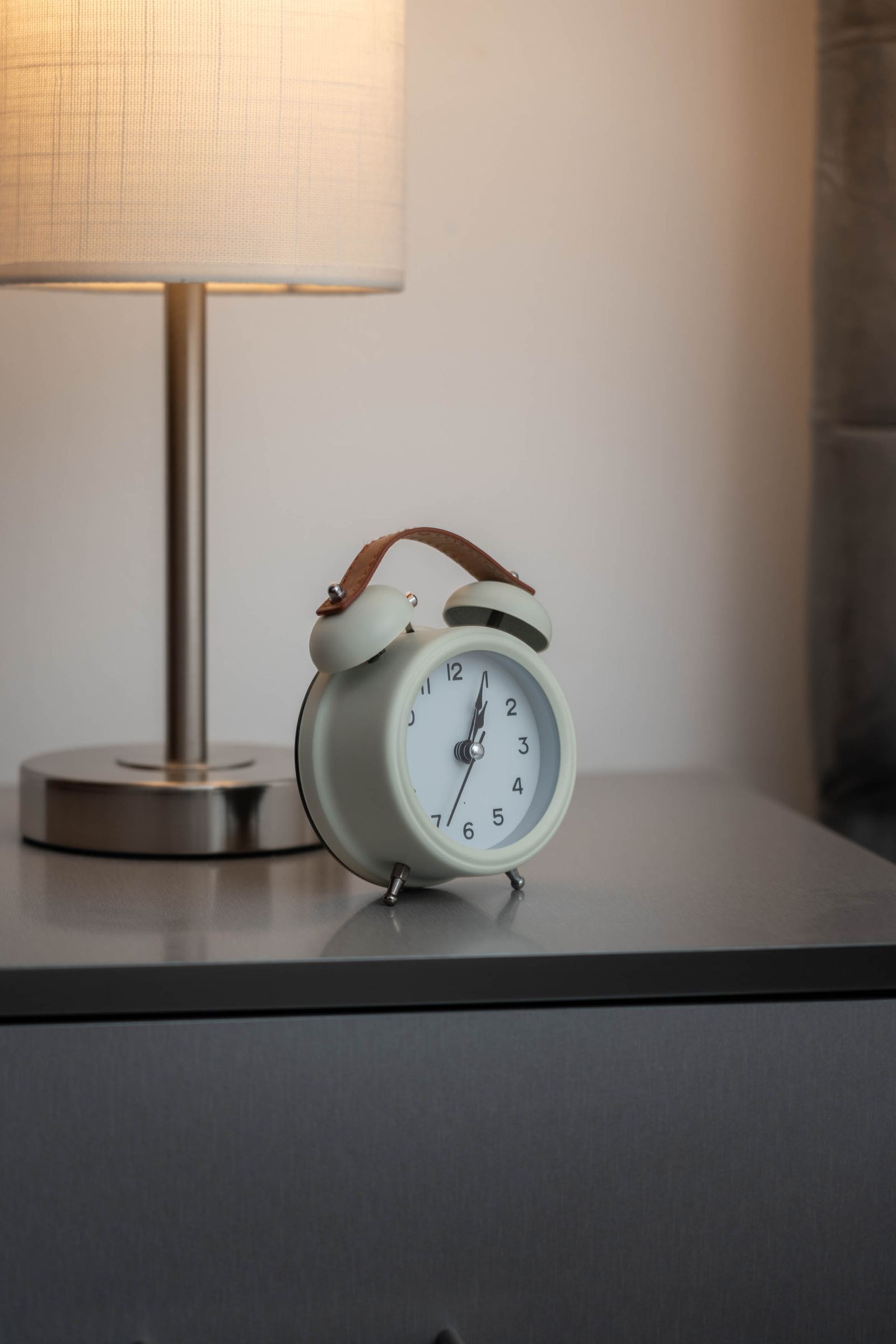
- Stop checking the time. NHLBI says worrying about whether you will get enough sleep and watching the clock can raise your risk of insomnia.
- Set the worry aside. Mayo Clinic suggests writing your concerns down and putting them off until tomorrow.
- Try a relaxation method. Mayo Clinic lists progressive muscle relaxation and breathing exercises among the tools used to ease bedtime anxiety.
- Keep your usual wake-up time. Mayo Clinic says to go back to bed when you’re tired and still keep your usual wake-up time.
One piece of advice feels backwards. Mayo Clinic, NHLBI and the Academy all say to get out of bed instead of lying there fighting it. Mayo Clinic also says to keep the bedroom for sleep and sex only.
While you wait to feel sleepy, a slow practice such as body scan meditation can give you something to follow. It is one of several relaxation approaches, and it is meant for calming down, not for fixing a sleep problem.
How to stay asleep through the night
Prevention happens in the evening, not at 3am. The CDC’s sleep habits are short enough to remember:
- Go to bed and get up at the same time every day.
- Keep your bedroom quiet, relaxing and cool.
- Turn off electronic devices at least 30 minutes before bedtime.
- Avoid large meals and alcohol before bedtime.
- Avoid caffeine in the afternoon or evening.
- Exercise regularly and keep up a healthy diet.
Mayo Clinic adds two more. Limit naps to no more than an hour and avoid napping late in the day. Avoid being active too close to bedtime. If the clock change in early November has thrown your schedule off, our guide to adjusting when clocks fall back walks through it.
When to see a doctor for insomnia
Waking at 3am once in a while does not call for a visit. Waking often, or feeling it in your days, does. Mayo Clinic says to see your doctor or another primary care professional if insomnia makes it hard to do daily activities.
| Source | When it says to get help |
|---|---|
| CDC | Talk to your healthcare provider if you regularly have problems sleeping or notice signs of common sleep disorders. |
| Mayo Clinic | Contact your health care provider if you often have trouble sleeping. |
| American Academy of Sleep Medicine (under three months) | Try good sleep habits, and talk to your medical provider if the problem lasts past three months. |
| American Academy of Sleep Medicine (chronic) | If it happens at least three times a week for at least three months, consider seeing a sleep doctor at an accredited sleep center. |
Expect questions about your habits. Mayo Clinic says a provider may ask you to keep a sleep diary for a couple of weeks. NHLBI advises sharing those notes with a healthcare professional. Per Mayo Clinic, a sleep study may be needed if the cause is unclear. The same goes for a possible disorder such as sleep apnea or restless legs syndrome.
For long-lasting insomnia, NHLBI describes cognitive behavioral therapy for insomnia (CBT-I) as a 6- to 8-week plan. The goal is to fall asleep faster and stay asleep longer. NHLBI says CBT-I is usually the first treatment recommended for long-term insomnia. Mayo Clinic says CBT is typically as effective or more effective than sleep medicines. Your clinician can say whether it fits your situation.
Frequently asked questions about waking up at 3am
Why does stress make you wake up at 3am?
Neither NHLBI nor Mayo Clinic ties stress to a particular hour. NHLBI says stress or worrying about school, work, relationships or money raises your risk of insomnia. Mayo Clinic suggests writing worries down before bed and setting them aside until tomorrow.
Does alcohol make you wake up at 3am?
It can make waking in the night more likely. Mayo Clinic says alcohol may bring early drowsiness but can disrupt sleep later in the night. NHLBI says alcohol can make sleep lighter, and the CDC advises avoiding it before bedtime.
Should you check the clock when you wake up at 3am?
Better not to. NHLBI says worrying about whether you will get enough sleep and watching the clock can raise your risk of insomnia. If you are still awake after about 20 minutes, the American Academy of Sleep Medicine says to get up. Do something quiet in low light.
When should you see a doctor about waking up at night?
See one if it happens often or affects your days. Mayo Clinic says to see a doctor or primary care professional if insomnia makes daily activities hard. The CDC says to talk to a provider if you regularly have problems sleeping. NHLBI describes chronic insomnia as three or more nights a week for more than three months.
This article is for general information only and is not medical advice. Talk to a licensed clinician about your own situation.

 Rachel Dunn

 Del Bailey

 Richard Hollis