
 Del Bailey
The best new year resolutions ideas are small, specific and easy to repeat: a weekly walking plan, one new home-cooked dinner a week, a monthly money check, five quiet minutes a day, a standing call with a friend, and one skill to learn. My pick is the walking plan. The most overrated is a vague “lose weight.”
New year resolutions ideas at a glance
Every January the gym where I train gets crowded, and by February the floor looks the way it did in November. Years of lifting taught me that the people who stay are rarely the ones with the biggest plan. They picked something they could repeat on a bad week. That is the test every idea below has to pass, and each one says who it suits and who can skip it.
| Area | Idea | Best for | Skip it if |
|---|---|---|---|
| Health and movement | Walk on set days | Anyone starting from the couch | A doctor has limited your activity |
| Health and movement | Two strength days | Desk workers | You already lift twice a week |
| Food | One new dinner a week | People stuck on the same four meals | You rarely cook |
| Money | A monthly money check | Anyone who cannot say where last month went | You already review your accounts monthly |
| Mind and stress | Five quiet minutes a day | A loud head at bedtime | Sitting still makes you more anxious |
| Relationships | A standing call or walk | People who drift from friends | Your calendar is already full of people |
| Learning and home | One skill, one drawer | Winter evenings | You want a big project instead |
Health and movement ideas
Start here, because movement touches most of the other areas. The federal Physical Activity Guidelines say adults need at least 150 to 300 minutes of moderate aerobic activity a week, like brisk walking, plus muscle-strengthening activity on two or more days each week. The same page says activity can reduce anxiety and improve the quality of sleep.
1. Walk on set days. Pick three or four days and a time, then write them down. Most of my own cardio week is a walk with a few hard minutes mixed in, and boots and a warm hat make that doable in a Colorado cold snap. NIMH says 30 minutes of walking a day can boost your mood, and that small amounts add up if you cannot do 30 at once. Best for: anyone starting from zero, because a walk needs no gear and no skill. Skip it if: a doctor has told you to limit activity, or you already walk daily. Then go to the next idea.
2. Add two strength days. Lifting something heavy twice a week sounds like gym talk, but push-ups, bands and a backpack of books all count. Build slowly. MedlinePlus advises adding a little weight or time over weeks, not all at once. Best for: desk workers who feel stiff by Friday. Skip it if: you already lift twice a week, or you have pain or trouble moving. Check with a health care provider first.
Food ideas that fit a normal week
3. Cook one new dinner a week. Cooking most nights gets easier when the menu is not the same four dinners on repeat. One new recipe a week keeps it interesting, and a Sunday trip for just those ingredients keeps it cheap. If you have ever stood in front of an open fridge at 6 p.m. with no plan, you know why this works. Best for: people who cook but feel bored. Skip it if: you rarely cook. Start with a different idea, like a second vegetable at dinner.
4. Eat regular meals and keep water close. It is not exciting, and that is the point. NIMH lists regular, healthy meals and staying hydrated among the everyday habits that help your energy and focus. Living at altitude has made me a water-bottle person, and a full bottle on the desk does most of the work. Best for: anyone who skips lunch and pays for it at 3 p.m. Skip it if: you have a medical diet. Follow what your care team gave you.

Money ideas that do not need a spreadsheet
5. Hold a monthly money check. Set aside 20 minutes on the same day each month and look at your bank and card history. The Consumer Financial Protection Bureau suggests reviewing several months of statements and adding a miscellaneous line, because something unplanned always turns up. The household budget I keep gets a monthly look, and that habit matters more than whichever app holds the numbers. Best for: anyone who cannot say where last month went. Skip it if: you already review your accounts monthly. Move on to the next idea.
6. Automate one small transfer. Pick an amount you will not miss and send it to savings on payday. The CFPB’s guide says automatic recurring transfers are often one of the easiest ways to save. If you have nothing set aside, start with our emergency fund guide. Best for: people with steady pay. Skip it if: your bills already outrun your income. Fix the budget first, and ask a nonprofit credit counselor for help if you are stuck.
Mind and stress ideas worth keeping
7. Sit quietly for five minutes. I have meditated daily for years, and the length matters less than the habit. Same chair, same time, a timer, nothing fancy. The NIH’s complementary health center says meditation and mindfulness are usually considered to have few risks. It also says too few studies have looked at possible harms to say anything definite about safety. Best for: people with a loud head at bedtime. Skip it if: sitting still makes you more anxious. Try a walk, and talk to a provider if it persists.
8. Keep a steady sleep window. Experts recommend adults sleep 7 to 9 hours a night, according to the National Heart, Lung, and Blood Institute. The same agency’s tips include keeping bed and wake times within about an hour of each other on weekends, and cutting caffeine in the afternoon. Best for: night owls who scroll. Skip it if: you work shifts. Aim for the nearest version your schedule allows, and see a doctor if sleep trouble lingers.
Relationship ideas for people who drift
9. Make a standing call or walk with a friend. Same day, same time, ten minutes is plenty. The National Institute on Aging says everyone needs social connections to survive and thrive. A call that is already on the calendar beats a vague plan to catch up. Best for: people who go quiet when work gets busy. Skip it if: your calendar is already full of people. Protect your quiet evenings instead.
10. Volunteer once a month. That same NIA page says helping others through volunteering can help you feel less lonely and give you a sense of purpose. Pick one place and one date, and put it in the calendar. Best for: anyone who wants to meet people without making small talk at a party. Skip it if: you are already stretched thin. Giving time you do not have is a fast way to resent it.
Learning and home ideas for slow evenings
11. Learn one skill. My winters run on crafts and warm drinks, and a project with a start and end date is easier to finish than a hobby with no edges. Pick something you can start in an hour: knitting, bread, a language app, basic car care. Best for: dark evenings and anyone who misses making things. Skip it if: you want a big goal. Learning one thing small still counts, and you can stack a second skill later.
12. Reset one drawer a week. One drawer takes ten minutes, and nobody ever regrets finding the good scissors. Best for: people who feel buried by clutter. Skip it if: you would rather clear a closet in one weekend.
The most overrated resolution: lose weight
A bare “lose weight” or “get fit” is the one I would skip. It has no start, no finish and no first step, so every Monday you are either on it or failing at it. Some version of it tops the list in our look at the most-broken new year resolutions. If a health goal matters to you, talk to a doctor, then turn it into actions you control: walk on three days, cook on four nights. The scale can tag along, but it should not steer.
The winner: a weekly walking plan
If I could keep one idea from this list, it is the walking plan. It costs nothing, it starts tomorrow, and it makes the sleep, mood and stress ideas easier. It also leaves room for bad weather. On an icy day I switch to an indoor loop, and our tips to stay active in winter add more backup plans. If you pick only one, pick this.
Turn any idea into a weekly action
Here is the tool I use. A resolution becomes real when it has a verb, an amount, a day and a backup. Fill in this sentence: “On [days], I will [do this] for [amount] at [time]. If [obstacle], I will [backup].”
- Idea: “Get more active.” Action: walk 20 minutes after lunch on Monday, Wednesday and Friday. If it is icy, walk the indoor loop.
- Idea: “Save more.” Action: move a set amount to savings every payday. If a payday is tight, move half.
- Idea: “Be calmer.” Action: sit five minutes after coffee on weekdays. If I skip, sit one minute at night.
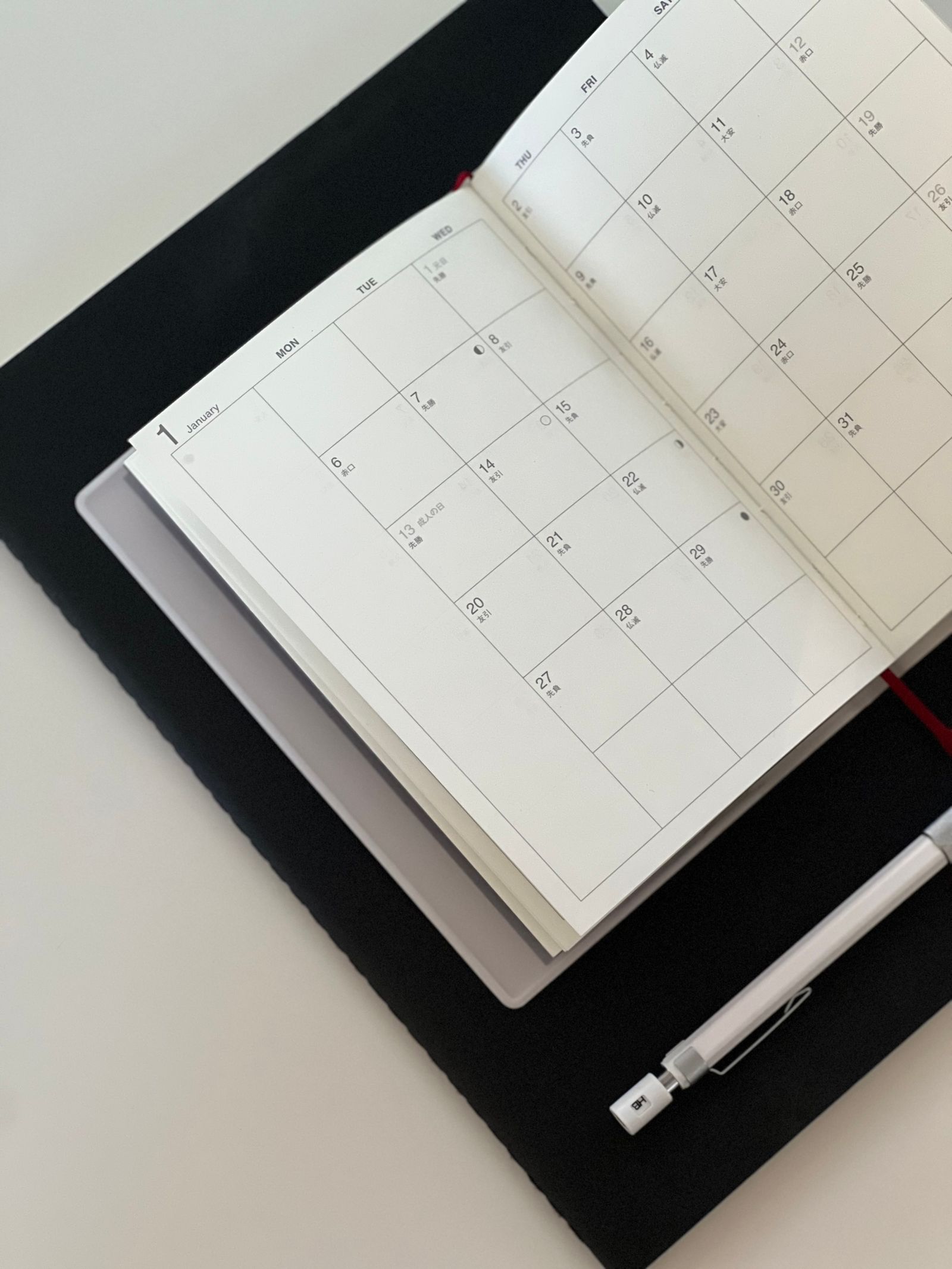
A resolution with no day attached has a way of sliding to next week, then the week after. Write the sentence on paper, put it where you will see it, and review it every Sunday. Once it is written, our tips for keeping resolutions on track can carry you through the rough weeks.
Frequently asked questions about new year resolutions ideas
How many new year resolutions should I pick?
One to three. I would pick one idea from two different areas, such as a walking plan and a monthly money check, and leave the rest for later. Too many starts is how the plan collapses by February.
What are good resolution ideas if I hate the gym?
Walk. The federal guidelines count brisk walking and fast dancing toward the weekly total, so a gym is optional. I would start with the walking plan and add two short strength days at home with a band or a backpack.
Do I have to start on January 1?
No. Start the week before if you can, because a trial week shows what breaks. Any Monday works, and a resolution that begins on a quiet Tuesday in February is just as real.
What if I miss a week?
Do the smallest version the next day, and do not make up for it. Missing a week is normal, and quitting the plan because of it is the real loss. Cut the amount in half and keep the days.
General information only, not medical or financial advice. A doctor or a qualified financial counselor can look at your own situation.

 Megan Tate

 Rachel Dunn

 Madeline Marshall