
 Kim Fuller
The new year resolutions broken most often are the ones that ask for a daily change against a strong habit: exercising more, losing weight, eating better, quitting smoking and quitting drinking. The vague ones fail too, because nothing tells you when you have succeeded. Here are fifteen of the most common.
Updated October 27, 2026.
These same promises come and go every year, and the pattern does not change. A resolution that names a habit and a schedule, such as a walk after dinner three nights a week, tends to outlast one that names a feeling, such as being happier or less stressed. Most of the failures below come from goals that were too big or too vague on January 1.
Exercise more: the new year resolution everyone starts

This is the most common resolution and the one most often broken. Gyms fill up in January, and by the end of February plenty of annual passes sit idle. Anyone who has tried to find a parking spot at the gym on January 2 knows the crowd, and anyone who goes back in March knows how fast it thins out. The CDC sets the adult goal at 150 minutes of moderate aerobic activity a week, or 75 minutes of vigorous activity, plus muscle-strengthening work on at least 2 days. Spread over seven days, that is about 20 minutes a day, a much easier promise to keep than a gym visit five times a week.
Lose weight: why the new year diet falters

With the holidays behind us, losing weight is one of the most popular promises. People eat less, jump on fad diets, and slide back to their normal habits within a few weeks. The CDC points the other way. It describes a gradual, steady pace of about 1 to 2 pounds a week and says people who lose weight that way are more likely to keep it off than people who lose it quickly. If you take medication or have a health condition, check with your doctor first.
Eat healthier

A praiseworthy resolution, and a hard one to keep. As the old saying goes, old habits die hard, and packaged, processed and fast food make the easy choice the unhealthy one. It is easy to lose the willpower to eat more veggies and fruit when so many tasty, unhealthy options are right in front of you. Most of us have stared into the fridge on a tired weeknight and grabbed whatever was fastest. A small fix helps: the FDA says to rinse fresh produce under running water and to keep perishables such as lettuce, strawberries and herbs in the fridge at 40°F or below. Vegetables you can grab in thirty seconds get eaten. Vegetables that went limp in the drawer do not.
Quit smoking: the hardest new year resolution to keep

If you can quit, it is the healthiest thing you can do for yourself and the people around you. Smoking is addictive, though, and like bad eating habits it is very hard to break. The reward is real. The CDC says quitting can add up to 10 years to life expectancy and lowers the risk of 12 types of cancer. Heart attack risk drops sharply within 1 to 2 years, and the added risk of coronary heart disease is cut in half at 3 to 6 years. A doctor can help you build a plan to quit.
Quit drinking

Like smoking, drinking can become a physical addiction that is very hard to break. Trying to do it alone is tough, and many people cannot. The CDC defines heavy drinking as 8 or more drinks a week for women and 15 or more for men, and its guidance for moderate drinking is no more than 1 drink a day for women and 2 for men. It also says that drinking less, or not drinking at all, lowers alcohol-related health risks. If you drink heavily, talk to a doctor before you change anything.
Enjoy life to the fullest

That means different things to different people, but most agree it comes down to doing what you enjoy. Unless your job is something you enjoy and find fulfilling, this resolution is doomed. The thought of work tends to win over the ability to enjoy life, and even on vacation people keep thinking about work. Most of us have had a Sunday evening when Monday crept into our heads before the weekend was even over.
Find a new job

The work is not fulfilling, or the boss is a scrooge, or the reason is something else. Plenty of people start the year promising to find a new job. Most do not follow through and stay where they are.
Manage stress better

Perhaps the resolution broken fastest, because it is so hard to measure. There are so many stressors in our lives that controlling them is often beyond most people. Give it a number instead of a mood. Walking 20 minutes a day counts toward the CDC’s 150-minute weekly target, and you will know whether you did it. If stress ever feels like too much to handle, talk with a doctor or a counselor.
Spend less

Many people make this promise, and many lack the discipline to hold it, partly for reasons outside their control.
Save money

This goes hand in hand with spending less, on the belief that the money you stop spending will land in savings. Even when the frugality works, the surplus often never reaches a savings account. Move the money on payday, before it has a chance to be spent.
Spend more time with family and friends

For most people, family and friends are the most important thing in life. Even so, many get absorbed in their own routines and neglect them. Lots of people promise at new year to refocus on the people they love, and lots fall back into the old routine within weeks.
Get organized

Clutter here, clutter there. Anyone who has ever cleaned out a junk drawer knows how many things in it you forgot you owned. Despite the resolution to become more organized, and to learn how, most people never reach the goal. Start with one drawer, not the whole house.
Learn something new

A new language, hobby, skill or personal passion: plenty of people sign up for this one. The trick, and the reason people fail, is to pick something achievable. You may want to learn to surf, but if you cannot swim, you get the idea.
Travel more

For some people that means more local or regional trips. Others want to see exotic places. Either way, getting there takes the discipline to save the money and set aside the time in a busy life, which is why this one so often goes unchecked.
Read more
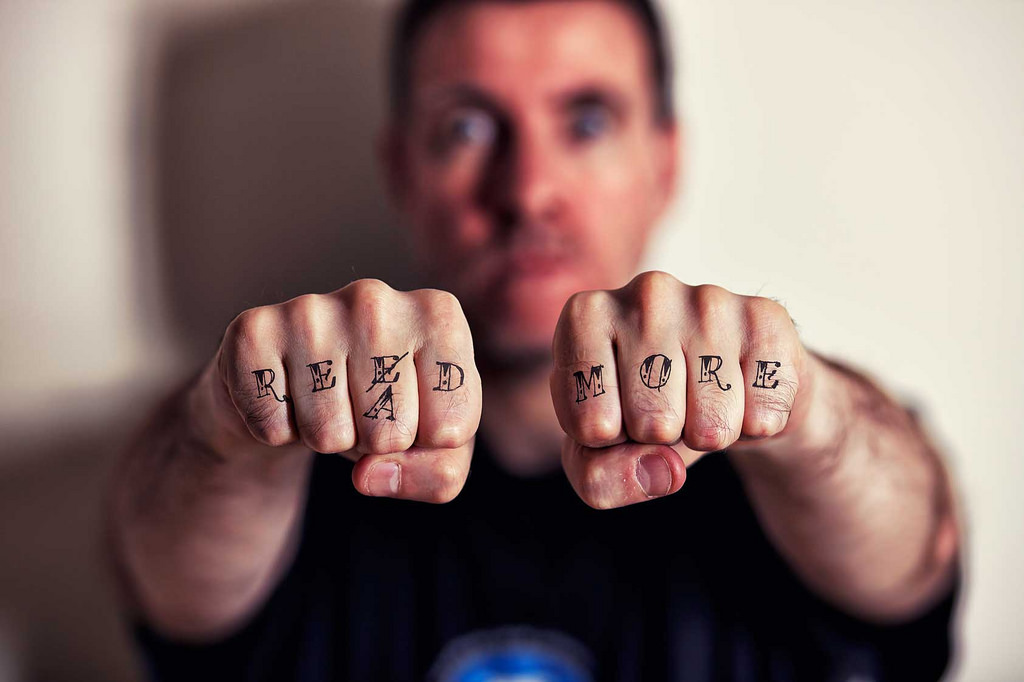
A good novel, a short story, a biography, history or current affairs. Whatever the subject, people dutifully set aside time each day at first. Most of us have a stack of books by the bed that we are sure we will get to. Sadly, it is only a matter of time before time pressure and personal routines get in the way.
New year resolutions FAQ
Why do most new year resolutions get broken?
Most break because they are too big or too vague. Promising to exercise more, lose weight or manage stress gives you no daily action to follow, so the first busy week ends it. Pair each goal with a small, specific habit and a schedule, and expect a few slips in the first month rather than treating one slip as failure.
How much exercise should adults get each week?
The CDC recommends 150 minutes of moderate-intensity aerobic activity a week, or 75 minutes of vigorous activity, or an equivalent mix of the two. It also recommends muscle-strengthening activity on at least 2 days a week. Spread over seven days, the aerobic target works out to roughly 20 minutes a day.
How fast should you try to lose weight?
The CDC describes a gradual, steady pace of roughly 1 to 2 pounds a week. It says people who lose weight gradually are more likely to keep it off than people who lose it quickly. Talk to a doctor before starting a weight-loss plan, especially if you take medication or have a health condition.
How soon does quitting smoking help your health?
The CDC says heart rate falls within minutes and blood nicotine drops to zero within 24 hours. Heart attack risk drops sharply at 1 to 2 years, and the added risk of coronary heart disease is cut in half at 3 to 6 years. Quitting can add up to 10 years to life expectancy.
This article is for general information only and is not medical advice. Talk to a licensed clinician about your own situation.

 Madeline Marshall

 Del Bailey