
 Madeline Marshall
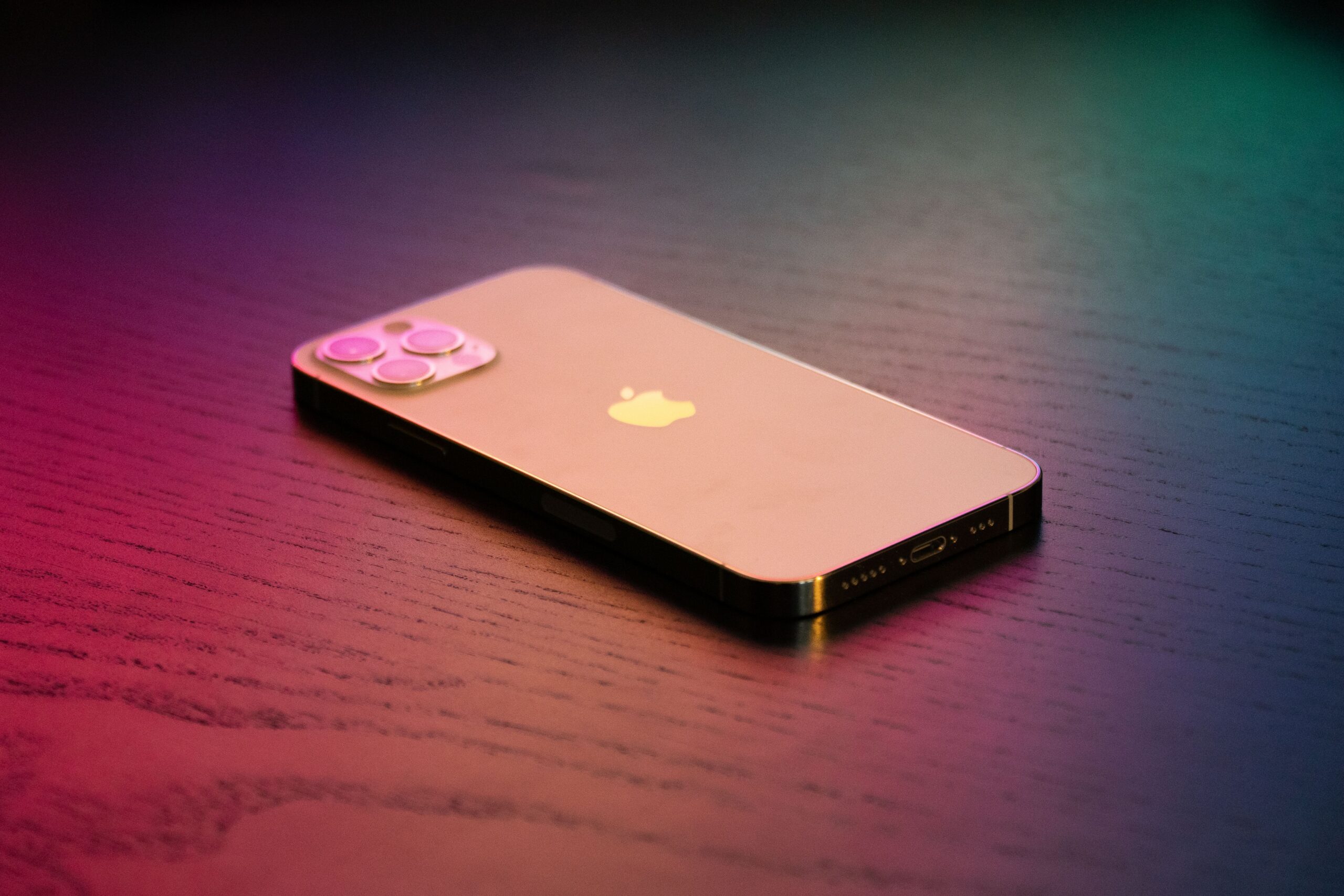
Charging your phone outside the bedroom is the surest way to stop doomscrolling at night. Add a screen-off time about an hour before bed, and put a small wind-down routine where the scrolling used to be. The charger move works best because it removes the choice instead of asking willpower to win it at 11 p.m.
What is doomscrolling at night?
Doomscrolling means scrolling through bad news and tense posts long after they stop being useful. At night it has a built-in trap: a feed has no bottom. Nothing tells you the story is over, so you keep going until your thumb gives up.
Gray, rainy evenings are when the phone wins at my place. After years at a screen all day, I can tell you the phone is no break from work. It is the same screen with a smaller excuse.
What is the best way to stop doomscrolling at night?
Get the phone out of the bedroom. That is my pick, and nothing else on this list comes close. If you have ever promised yourself “just five minutes” with the phone already in your hand, you know why: the promise fails because the phone is right there.
MedlinePlus lists the same idea in its sleep tips. Keep your bedroom cool, dark and quiet, and get rid of distractions such as TVs, computers and phones. Our guide on how to sleep better in winter covers the cool-and-dark part.
In my house the phone charges in another room, and the kettle goes on instead. A mug of caffeine-free herbal tea and a paper book sit where the phone used to be. The empty nightstand feels odd for a few nights, and then it just feels normal.
Best for: anyone who reaches for the phone the moment the light goes out. Skip it if: you must be reachable overnight, for work or for family. In that case, keep the ringer on but leave the phone across the room, face down.
The usual snag is the alarm. A basic alarm clock fixes that. It does one job and has nothing to scroll.
Why does scrolling at night hurt sleep?
Two things work against you: the light and the content. On light, the National Heart, Lung, and Blood Institute says to use the hour before bed for quiet time and avoid bright artificial light, such as from a TV or computer screen. The light may signal the brain that it is time to be awake. Blue light from a phone can make it harder to fall asleep too, so it pays to cut back on it before bedtime.
Then there is what you are reading. The Substance Abuse and Mental Health Services Administration says in its coping tips that constant news can increase anxiety, and it suggests watching or listening to less of it. Those tips were written for people living through disasters. Still, a bedtime feed of bad headlines is a small version of the same thing.
Stress and sleep also feed each other, and loss of sleep is a common effect of stress. Adults need 7 to 9 hours a night, and regularly getting less than 7 may bring more health problems.
How to stop doomscrolling at night, step by step
Here is the order I would follow. Do step one this week. Add the next only if you still scroll.
- Charge the phone outside the bedroom.
- Set a screen-off time, starting about an hour before bed.
- Turn on app limits and Do Not Disturb for the feeds that pull you in.
- Put a wind-down routine in the gap.
- Use the one-more-scroll rule on the nights it slips.
Set a screen-off time
Pick a clock time, not a feeling. Something like 9:30 for a 10:30 bedtime. A fixed time works because “I’ll stop when I’m tired” never ends, as the feed has no bottom. Put a reminder on the phone itself so it nags you instead of the other way around.
Best for: people with a regular bedtime. Skip it if: your hours change every week; set the time from your wake-up instead.
Use app limits and Do Not Disturb
You do not need to block the whole phone. Limit the two or three apps that eat your evening, usually news, video and social feeds. Do Not Disturb keeps the late alerts from pulling you back in. Most phones let you schedule both, so you set it up once.
Best for: people whose trouble is one or two apps. Skip it if: you tap “ignore limit” every time. A limit you override is only decoration, and the charger in another room is the better fix.
Try the one-more-scroll rule
This is the rule of thumb I keep for the nights it slips. Before the next swipe, ask what you are looking for. If you can name it (“the weather for tomorrow”), find it and stop. If you cannot name it, you are not reading, you are waiting. Put the phone down at that point.
Best for: the occasional slip. Skip it if: you scroll every night; you need the charger move, not a rule.
Grayscale and night mode: the overrated step
Grayscale makes the phone look dull, and night mode warms the screen. Both are fine to try. Neither one changes what is on the feed. A gray page of bad news is still bad news, and it still has no bottom. I would not spend a week fiddling with colors before moving the charger.
Best for: a nudge on top of the other steps. Skip it if: you are hoping it will be the only change you make.
What to do instead of scrolling before bed
The empty hour is where most plans fail. If nothing fills it, the phone does. Choose one of these and keep it small:
- A warm, caffeine-free drink. I like herbal tea, and the kettle makes a nice end-of-day signal. The NHLBI lists caffeine, including tea, among the things to avoid in the evening, so check the label. Best for tea drinkers. Skip it if you take medicines or are pregnant and have not asked your pharmacist or doctor about the herb.
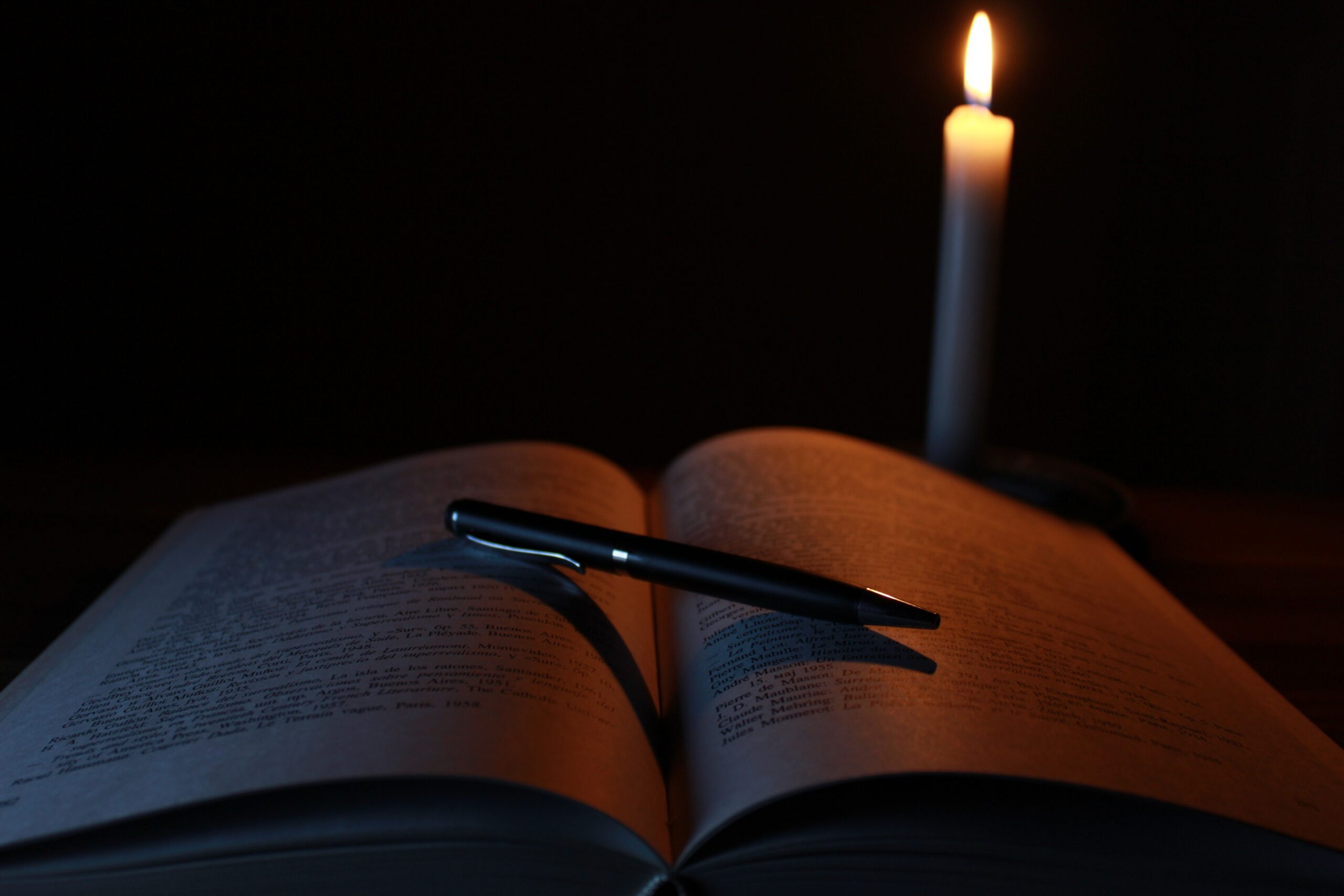
- A paper book or magazine. Dim lamp, a few pages. Best for people who like a story. Skip it if you fall asleep in the chair; move to bed sooner.
- A two-minute list for tomorrow. Write down what is on your mind so the phone is not your notepad. Best for people whose scrolling starts as “one quick check.” Skip it if lists make you more wound up.
- Slow breathing or stretching. Our post on short mindfulness practices has a five-minute breathing option. Best for a busy head. Skip it if breathing exercises make you more anxious.
What if you wake up and reach for the phone?
It happens, and it is why the phone belongs across the room. If you wake and the phone is out of reach, you have to get up to use it, and that is often enough to stop you. Keep the light low and do something quiet. Our post on waking at 3am goes through what the health agencies suggest.
When to talk to a doctor
Habits help with habit problems. They do not fix everything. The NHLBI describes chronic insomnia as trouble sleeping three or more nights a week for more than three months. If that sounds like you, or if sleep trouble is affecting your days, talk to a doctor.
The same goes for worry that will not let go. NIMH describes anxiety as a persistent feeling of dread or apprehension that does not go away and interferes with how you live. If that fits, talk to a doctor or counselor. A doomscrolling habit is common, but ongoing anxiety deserves real support.
Frequently asked questions about doomscrolling at night
Why can’t I stop scrolling at night?
Because a feed never ends, and the phone is within reach. Your brain gets one more item every time you swipe. I would stop trying to out-argue it and change the setup: move the charger, set a screen-off time and give yourself something else to do.
Is it bad to look at your phone before bed?
It can be. Bright light and stressful content can both make it harder to wind down. A short, calm check of the weather or a message is a lot different from an hour of headlines, so I judge it by what you read and how long it runs.
How long before bed should I put my phone away?
Start with an hour, since the NHLBI suggests using the hour before bed for quiet time. If an hour feels impossible, begin with 30 minutes and add ten more each week. Pick the length you will really keep.
Do grayscale and night mode help?
They can take the edge off, but I would not rely on them. They change how the screen looks, not what is on it or how easy it is to keep going. Treat them as a bonus after the charger and the screen-off time.
This article is general information, not medical advice. For ongoing trouble sleeping or anxiety, please talk with a doctor or counselor about your own situation.

 Megan Tate

 Natalie Brooks