Aboutzenlife
Home » Benefits of Gardening for Stress Relief

Benefits of Gardening for Stress Relief

Gardening offers far more than a beautiful outdoor space—it provides a simple, accessible way to ease daily tension and support emotional well‑being. Many people turn to gardening for stress relief because it encourages slow, mindful movement, fresh air, and a sense of purpose. Whether you’re tending a small balcony garden or cultivating a full backyard, the act of nurturing plants can help quiet racing thoughts and create a grounding routine. This guide explores the key benefits of gardening for stress relief, practical ways to get started, and common challenges beginners face, so you can build a calming practice that fits your lifestyle.

Benefits of Gardening

Gardening offers a steady way to calm the mind and ease daily tension. Many people use gardening for stress relief because it creates a clear sense of purpose and encourages slow, intentional movement. Each task helps you stay present and connected to your environment.

Gardening also supports emotional balance through routine and structure. Simple actions like watering or pruning help you release mental pressure and regain focus. These moments create a natural break from screens and noise.

You also gain physical benefits that support overall well‑being. Light activity improves circulation and boosts energy. Fresh air and sunlight enhance mood and help regulate sleep patterns, which strengthens your ability to manage stress.

Gardening Options

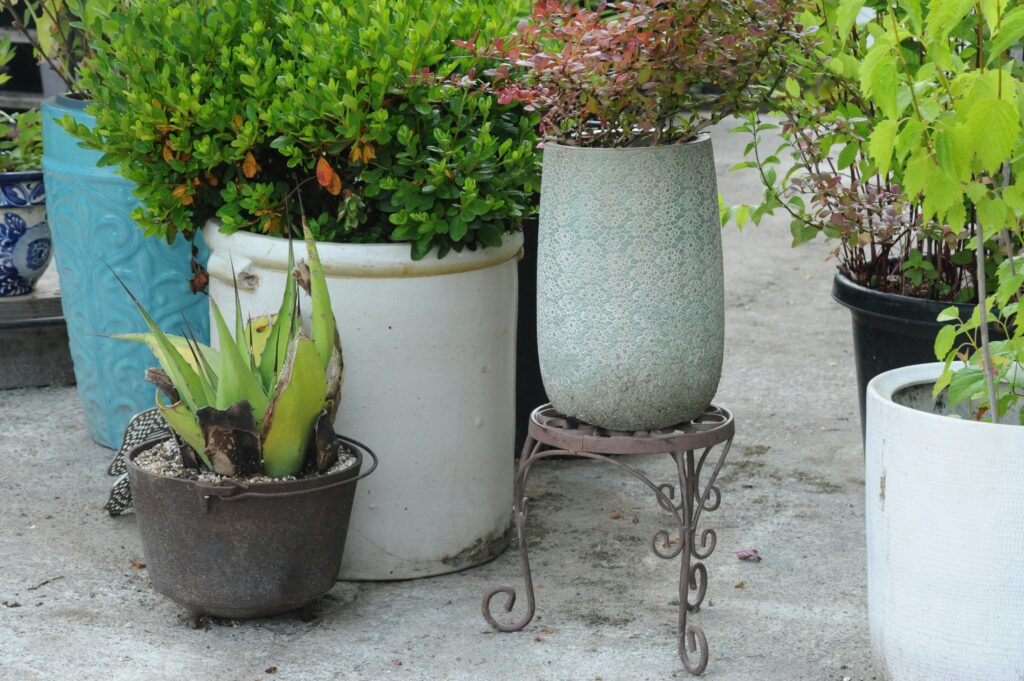
There are many gardening options that support gardening for stress relief. You can start small with a few pots on a balcony or patio. Container gardens work well for herbs, flowers, and compact vegetables. They offer simple routines that help calm your mind and create steady moments of focus.

If you want more space, raised beds provide structure and easy access. They keep soil organized and reduce strain on your body. This setup encourages a smooth rhythm that supports relaxation and builds confidence as your plants grow.

You can also explore sensory gardens. Choose plants with soothing scents, soft textures, or gentle colors. These elements create a peaceful space that encourages mindful breaks and helps you unwind after busy days.

Indoor Gardening for Stress Relief

Gardening indoors offers a simple way to bring nature into your home and create a peaceful atmosphere. Indoor plants also add calming colors and textures that support emotional balance.

You can start with low‑maintenance plants that thrive in most indoor spaces. Snake plants, pothos, and peace lilies grow well with minimal care. These plants help you build confidence as you learn how to manage light and watering. Each small task encourages focus and reduces daily tension.

Herb gardens also work well indoors. You can grow basil, mint, or parsley on a sunny windowsill. These herbs offer fresh scents and give you a sense of purpose as you watch them grow.

Indoor gardening supports mindfulness throughout the day. Short breaks to check your plants help you reset your thoughts and release stress. Over time, indoor gardening becomes a reliable tool for emotional well‑being.

Patio/Porch Gardening for Stress Relief
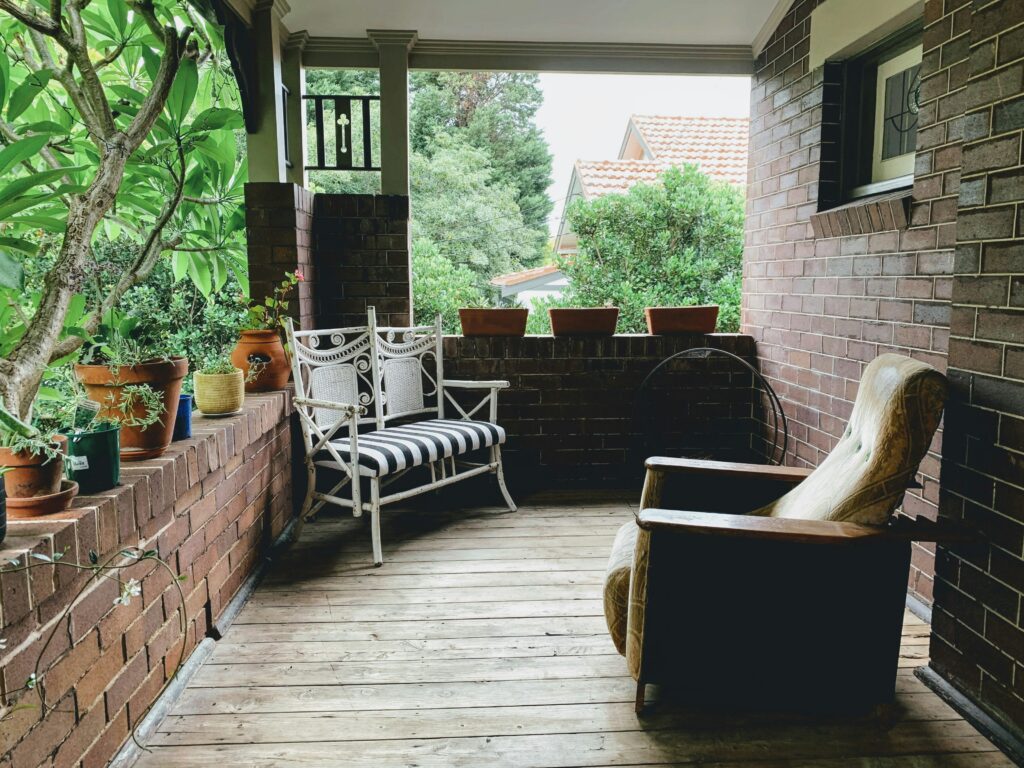
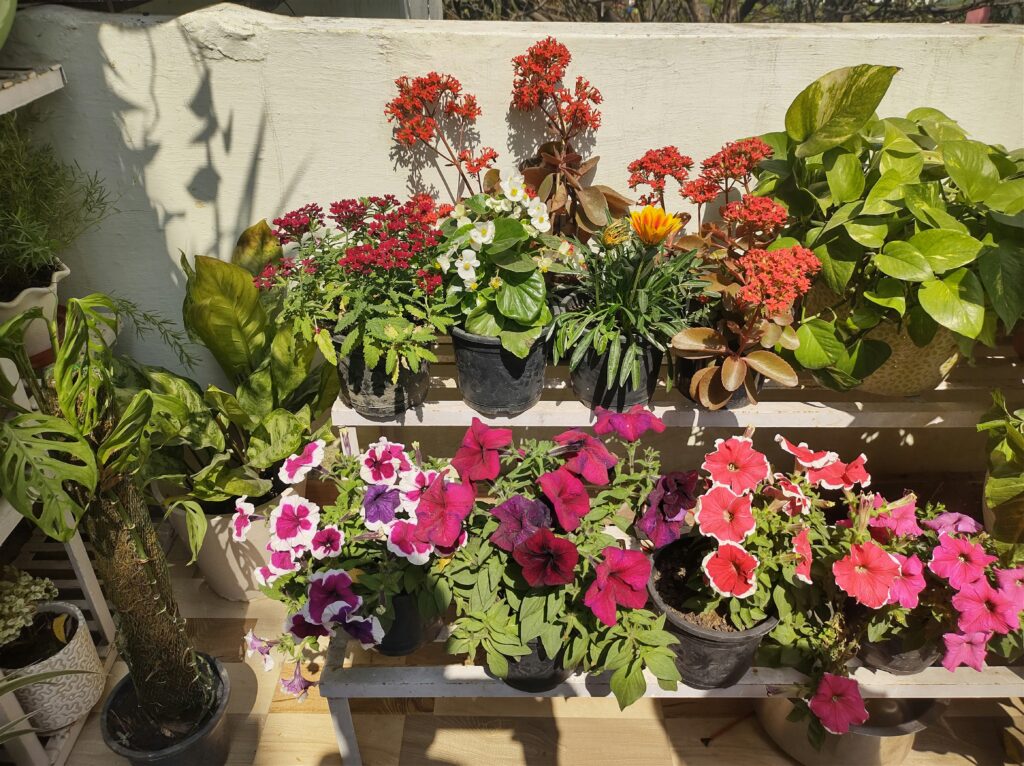
Patio and porch gardening offers a simple way to enjoy nature without a large outdoor space. Many people use gardening for stress relief because it creates a calming routine that fits into daily life. A small outdoor area can become a peaceful retreat with thoughtful plant choices and steady care.

You can begin with containers that match your space. Choose pots in different sizes to grow herbs, flowers, or compact vegetables. These plants encourage slow, mindful tasks like watering and pruning. Each action helps you stay present and release tension.

Hanging baskets also work well on porches. They add height and color while keeping walkways open. Trailing plants like ivy or petunias create soft movement that supports relaxation.

If you prefer structure, arrange planters along railings or steps. This layout builds a natural flow that guides your attention and supports mindful breaks. Mixing textures and colors creates a soothing visual rhythm.

Patio and porch gardening also encourages short outdoor pauses. Stepping outside to check your plants helps you reset your thoughts and ease stress. These moments strengthen your connection to nature and support emotional balance.

As your confidence grows, you can expand your setup. Add new containers, explore vertical gardening, or create themed areas. Each choice deepens the calming benefits of gardening for stress relief and helps you build a space that supports your well‑being.

Community Gardening for Stress Relief

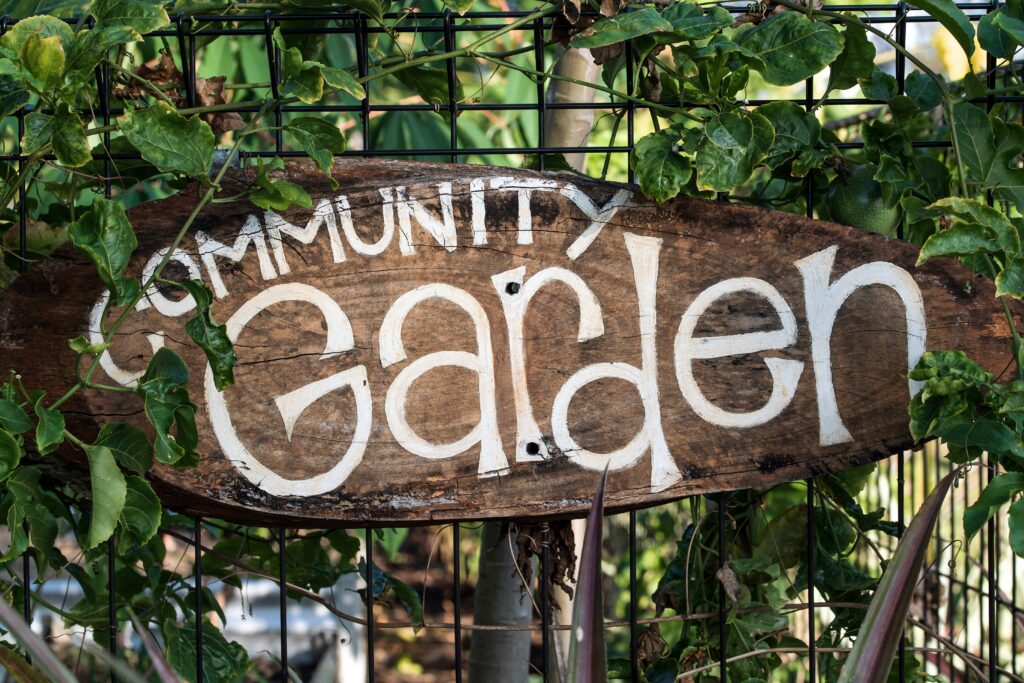
Community gardening offers a meaningful way to connect with others while supporting gardening for stress relief. Shared garden spaces create a sense of belonging that helps reduce tension and encourages steady routines. Working with others also brings positive energy that supports emotional balance.

You can join a community garden to enjoy organized planting areas and shared resources. Simple tasks like watering, weeding, and harvesting help you stay present and focused. These activities create a clear purpose and guide your attention away from daily stress.

Community gardens also provide social support. You can exchange ideas, learn new skills, and share harvests with other members. These interactions build confidence and create uplifting relationships that strengthen your well‑being.

Many community gardens host workshops or seasonal events. These activities help you stay engaged and deepen your gardening knowledge. They also offer opportunities to celebrate progress and enjoy shared accomplishments.

Regular visits to a community garden encourage outdoor time and mindful breaks. Short check‑ins with your plants help you reset your thoughts and release tension. Over time, the garden becomes a reliable source of calm.

As you grow more comfortable, you can take on new roles. You might help maintain shared beds or support new members. Each step enhances the benefits of gardening for stress relief and strengthens your connection to the community.

You don’t have to have a green thumb to get what you need out of gardening. If your flowers don’t look the way you want them too or burst forth with the color the picture showed on the seed package, don’t worry about it. You got out there and tried something, you watered your plants and felt the sun on your face. When you stick with a project, you learn something about what works for you. Hopefully, this hobby is something you want to pursue and get better at, but it may not be something you absolutely love right away.

Disclaimer This content is for informational purposes only and does not constitute medical advice, specific dietary guidelines, or exercise recommendations. This article is for educational purposes only and is not a substitute for professional medical advice, diagnosis, or treatment. Individual needs vary. Always consult a qualified healthcare provider before making changes to your health, diet, or lifestyle.