
 Avery Walsh
To sleep better when sick, make your bedroom easier to breathe in. Run a clean humidifier, use saline for a stuffy nose, sip something warm, and keep the room cool and dark. Mayo Clinic and the CDC back most of these home steps for colds. Call a doctor if breathing gets hard or symptoms drag on.
Published November 16, 2026.
If you have ever lain flat with a stuffed nose at 2 a.m., you know the problem. You are tired enough to sleep for a week, and you still can’t. Most of us have tried every trick on the internet and wondered which ones are worth the effort.
I keep a flu-season routine that starts with hand washing and ends with a well-stocked kitchen, so I have thought about this a lot. My kitchen leans gut-friendly, which means broth and tea are always on hand when a bug shows up.
None of this treats the illness. It just helps you rest, and Mayo Clinic is plain about why that matters: your body needs rest to heal. If you are also wondering when you are safe around other people, here is how to figure out how long a cold is contagious.
Why is it so hard to sleep when you are sick?
Lying flat can make a stuffy nose feel worse, and a dry cough loves a quiet, dark bedroom. Dry air, a scratchy throat and too little fluid pile on top. Each tip below goes after one of those problems.
Ways to sleep better with a cold or flu
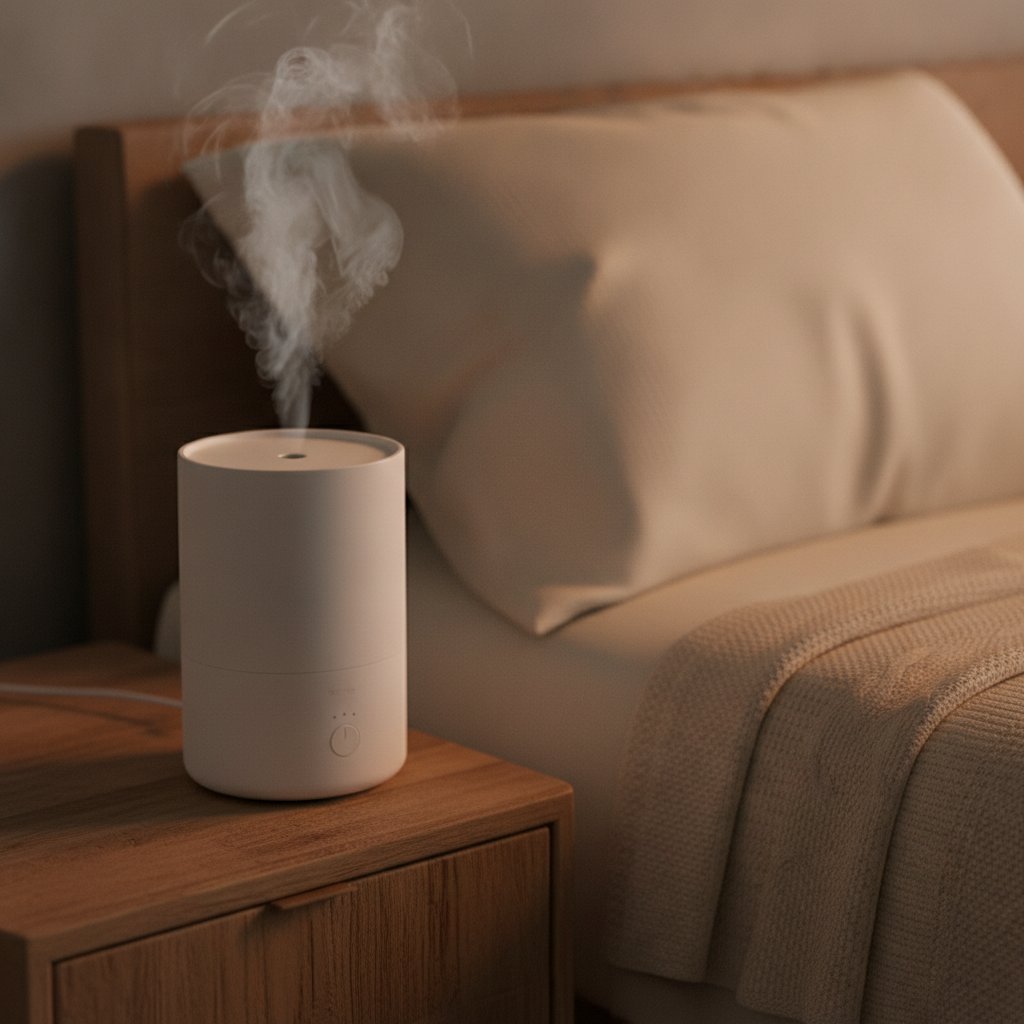
Run a clean cool-mist humidifier
This is my favorite on the list, because you switch it on and forget it. Mayo Clinic says a cool-mist humidifier can add moisture to the air and may ease stuffiness. It suits anyone who wakes up with a dry, scratchy throat. The catch is upkeep: change the water daily and clean the unit the way the maker instructs. Skip it if you know you won’t keep up with that; a hot shower is the easier backup. Keep an eye on the room, too, because indoor humidity has a healthy range and more is not better. A bedroom-size cool-mist model runs about $30 to $80.
Use saline spray before you get into bed
If a blocked nose is what keeps you up, this is the quickest fix I know. Saline is just salt water. Mayo Clinic says nonprescription saline drops or sprays can relieve stuffiness. It suits adults and older children who can use a spray. For little ones, the CDC says a rubber bulb may be needed to clear mucus, so ask a pharmacist to show you how. Skip it if a spray up the nose makes you gag; the shower steam below is gentler. My timing tip: spray right as you turn off the light, not an hour earlier.
Breathe steam from a hot shower
Think of this as a reward for getting through the day. The CDC lists steam from hot water or a running shower as home relief, and a warm bathroom feels good on a cold, achy evening. It suits adults who are steady on their feet. Skip it if you feel dizzy or weak. Keep it short, mind the heat, and get into bed while you are still warm.
Sip a warm drink, with honey if you are over one
A warm mug settles a scratchy throat, and it gives you something to do while you wait to feel sleepy. Both Mayo Clinic and the CDC say honey may help a cough in people older than one year. Never give honey to a baby under 12 months. Water, juice, clear broth and warm lemon water all count, and broth is my default. Keep the cup small near bedtime so you are not up every hour for the bathroom.

Prop your head up on an extra pillow
If I had to cut one tip, it would be this one. It is pure comfort, and I would not call it a treatment. Plenty of people swear a higher pillow makes a stuffy head feel better, though none of the health pages I read make that claim. It suits back and side sleepers who feel blocked up. Stack one extra pillow, and drop the idea if your neck complains in the morning.
Keep the room cool and dark
This one is best for anyone who wakes up sweaty and tangled in blankets. Sick bodies feel warm, and blankets pile up. A cooler room with the lights off makes it easier to settle, which is also the heart of sleeping better in winter. Use a blanket you can kick off. Turn the humidifier’s little light away from your face, and put the phone across the room.
Nap when you need to, and skip the nightcap
A daytime nap is not laziness when you are sick. If a nap makes bedtime harder, shorten it. Mayo Clinic also says alcohol, coffee and caffeinated sodas can worsen dehydration, which is one more reason to skip the nightcap and the late latte. This suits anyone who wants a real shot at a full night.
Read the label on any medicine
A nighttime cold formula is still a medicine, so treat it like one. Follow the package directions, and ask a pharmacist before you mix it with anything else you take. For children, Mayo Clinic and the CDC both advise against over-the-counter cough and cold medicines at young ages, and the cutoffs differ, so ask a pharmacist or your child’s doctor first. Antibiotics don’t work on cold viruses, either. Thinking of supplements? MedlinePlus says to talk with your provider first, and our look at whether vitamin C helps colds covers one popular question.
A simple bedtime routine when you are sick
You do not need all eight tips every night. Nobody sick wants a long checklist, so here is the short version I would follow. Fill the humidifier in the afternoon, so it is ready. An hour before bed, take a warm shower and sip a small mug of something warm. Right before lights out, use the saline spray and stack the extra pillow.
Then set the room: cool, dark, and a blanket you can push off. If you still wake up, don’t fight it. Sip some water, check that you are comfortable, and let yourself rest even if sleep comes in pieces. A broken night is normal when you are sick, and a quiet next day makes up for a lot.
When to call a doctor
Home tricks are for ordinary colds and mild flu. The CDC says to see a doctor for any of these:
- Trouble breathing or fast breathing
- Signs of dehydration
- A fever lasting more than 4 days
- Symptoms lasting more than 10 days without improvement
- Symptoms that get better and then come back or get worse
- A chronic condition that is getting worse
MedlinePlus puts the same idea simply: if you are worse, or no better after 7 to 10 days, call your provider. With the flu, the CDC says people at higher risk, such as those with asthma, diabetes or heart disease, should contact a provider right away, because antiviral drugs work best when started within two days.
Some signs mean get care now. For flu, the CDC lists these emergency warning signs in adults:
- Difficulty breathing or shortness of breath
- Ongoing pain or pressure in the chest or abdomen
- Persistent dizziness, confusion or being unable to stay awake
- Seizures
- Not urinating
- Severe weakness or unsteadiness
In children, the CDC adds bluish lips or face, ribs pulling in with each breath, and no urine for 8 hours. It also says any fever in an infant under 12 weeks needs medical care. When something feels wrong, trust that feeling and call.
Frequently asked questions about sleeping when sick
Should I sleep as much as I can when I am sick?
Yes, within reason. Your body needs rest to heal, so go to bed early and nap without guilt. The one exception is a person who can’t stay awake at all. The CDC lists that as an emergency warning sign for flu, so call for help.
Can I give honey to my toddler for a cough?
If your child is over one year old, honey may help a cough, according to the CDC. Under 12 months, never. I would still call the pediatrician before trying anything new with a sick little one, because the right call depends on the child.
Is it okay to run a humidifier every night?
It can be, if you keep it clean: fresh water every day, and a cleaning the way the maker instructs. If that sounds like a chore you will skip, a hot shower before bed is the lower-effort backup.
My cough keeps me up past a week. What now?
Make the call. MedlinePlus says to contact your provider if you feel worse or no better after 7 to 10 days, and the CDC uses 10 days as its line. A cough that lingers is worth a quick check, and you will sleep better knowing what it is.
This article is for general information and isn’t medical advice; talk to your doctor about your own health.

 Del Bailey

 Madeline Marshall