 Madeline Marshall
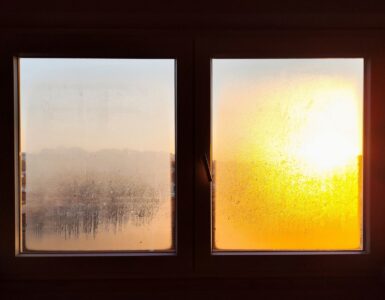
Indoor humidity in winter should stay between 30 and 50 percent, according to the EPA and Mayo Clinic. It should run lower once the weather outside turns bitter. The EPA table caps it at 35 percent at 20°F outdoors and 15 percent at minus 20°F. Fog on the windows can be a sign it is too high.
Published October 22, 2026.
This article is general information, not medical advice. A doctor should see persistent dryness, a stubborn cough, asthma, allergies or cracked, bleeding skin. Nothing here replaces that visit.
I live in the Pacific Northwest, where winter means months of damp gray weather outside and the heat running indoors. Damp outside does not make the air damp inside, and the heating section below explains why. For the numbers, I went straight to what the EPA, Mayo Clinic and the American Academy of Dermatology publish. The piece on psychological tricks that may help you sleep covers the other bedroom factors.
What Should Indoor Humidity Be in Winter?
Aim for 30 to 50 percent relative humidity. The EPA’s brief guide to mold, moisture and your home says to keep indoor humidity below 60 percent, and ideally at 30 to 50. Mayo Clinic gives the same range on its humidifier page. The CDC asthma page says around 30 to 50 percent holds dust mites down.
However, winter adds a catch. Cold weather chills your windows and exterior walls, and humid indoor air that touches a cold surface leaves water behind. So the safe ceiling falls with the outdoor temperature. EPA’s page on controlling moisture in the home lists maximum indoor humidity by outdoor temperature, which it attributes to ASHRAE recommendations. The Center for Energy and Environment’s July 9, 2026 guide matches those numbers. It adds a milder top row for 20 to 40°F.
| Outdoor temperature (°F) | About (°C) | Maximum indoor humidity (CEE guide) | EPA table |
|---|---|---|---|
| 20 to 40 | -7 to 4 | Under 40% | Not listed |
| 10 to 20 | -12 to -7 | Under 35% | 35% at 20°F |
| 0 to 10 | -18 to -12 | Under 30% | 30% at 10°F |
| -10 to 0 | -23 to -18 | Under 25% | 25% at 0°F |
| -20 to -10 | -29 to -23 | Under 20% | 20% at -10°F |
| -20 or below | -29 or below | Under 15% | 15% at -20°F |
The Fahrenheit figures come from the two pages named above. The Celsius column is my own conversion, subtracting 32 and dividing by 1.8, rounded to the nearest degree. Neither page says which windows or which indoor temperature the table assumes. Instead, treat it as a guide, and let the glass settle any argument.
How Do You Use the Outdoor Temperature Table?
To use it, find today’s outdoor temperature and keep your indoor reading under that row. On a 20 to 40°F day, the CEE guide’s ceiling is 40 percent; the EPA table has no row that warm. At 0°F the EPA cap is 25 percent, which sits under the 30 percent bottom of the everyday range. My own reading of those two figures together: in that cold, a reading in the 20s is what the table allows. Neither source says so in one sentence.
Window type matters as well. A 2011 release from North Dakota State University Extension, by energy educator Carl Pedersen, covers it. At 40 percent indoors, double-pane windows collect condensation below 0°F outside. Triple-glazed windows hold out until about -40°F.
Why Does Winter Heating Dry Out Indoor Humidity?
Relative humidity compares the water vapor in the air with the most the air could hold at that temperature. The EPA notes that cooler air holds less moisture. Winter runs that in reverse. Cold outdoor air carries little vapor. Once a furnace or radiator warms it, the same vapor is a smaller share of what the warmer air could hold. The percentage drops without anyone removing water.
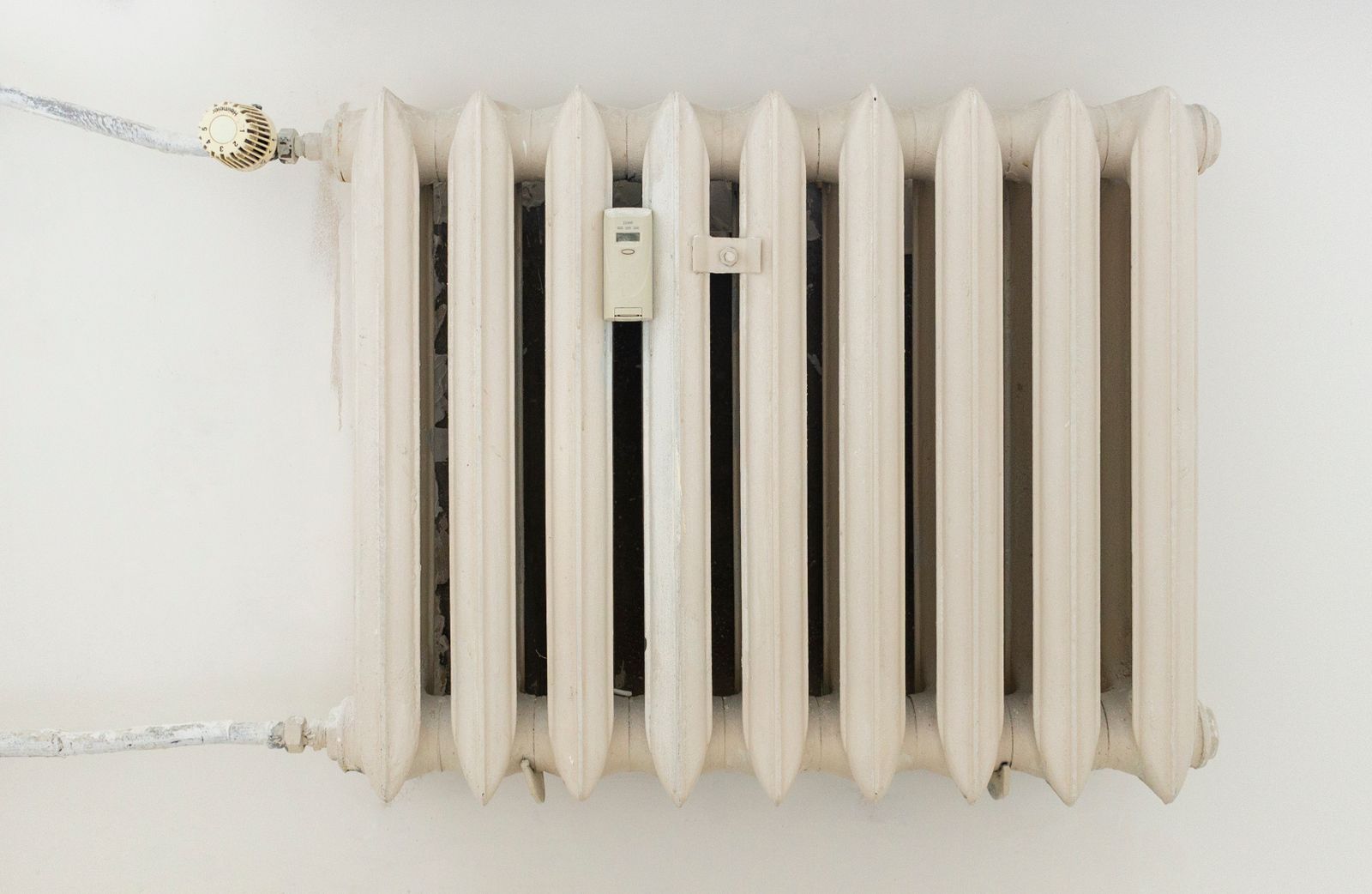
The American Academy of Dermatology sums up the skin side in one line. Cold air outside, hot air inside and dry air everywhere can disrupt the skin’s barrier in winter. The AAD also notes that some home heating systems have a humidifier built in. Check for one before you shop for a separate unit.
How Does Low Indoor Humidity Affect Skin, Nose and Throat?
Start with skin. The AAD’s dry-skin advice is mostly about holding moisture in. Limit baths and showers to five to ten minutes in warm water. Blot instead of rubbing, and apply moisturizer while the skin is still damp. The AAD also suggests a portable humidifier in the bedroom while you sleep, cleaned regularly to prevent mold. The warm-weather version of the same problem is in our 10 summer skincare tips.
Next come the airways. MedlinePlus, from the NIH’s National Library of Medicine, covers this. A humidifier helps eliminate the dry air that can irritate and inflame the airways in your nose and throat. NDSU Extension says too-dry air can cause dry skin and nasal passages, which could lead to respiratory illness. Note the wording: “could lead to,” not “causes.”
For people with asthma, the CDC lists cold, dry air among the weather conditions that can trigger symptoms. Dry air is one irritant among many, and our tips for not getting sick during flu season cover other basics. More on staying well is in our Health section.
How Do You Check Indoor Humidity and Spot Too Much?
Use a hygrometer, a small gauge that reads relative humidity. Mayo Clinic calls it the best way to test humidity in your home. EPA’s humidifier fact sheet says hygrometers are sold at hardware stores. Some humidifiers include a built-in hygrometer, which Mayo calls a humidistat.
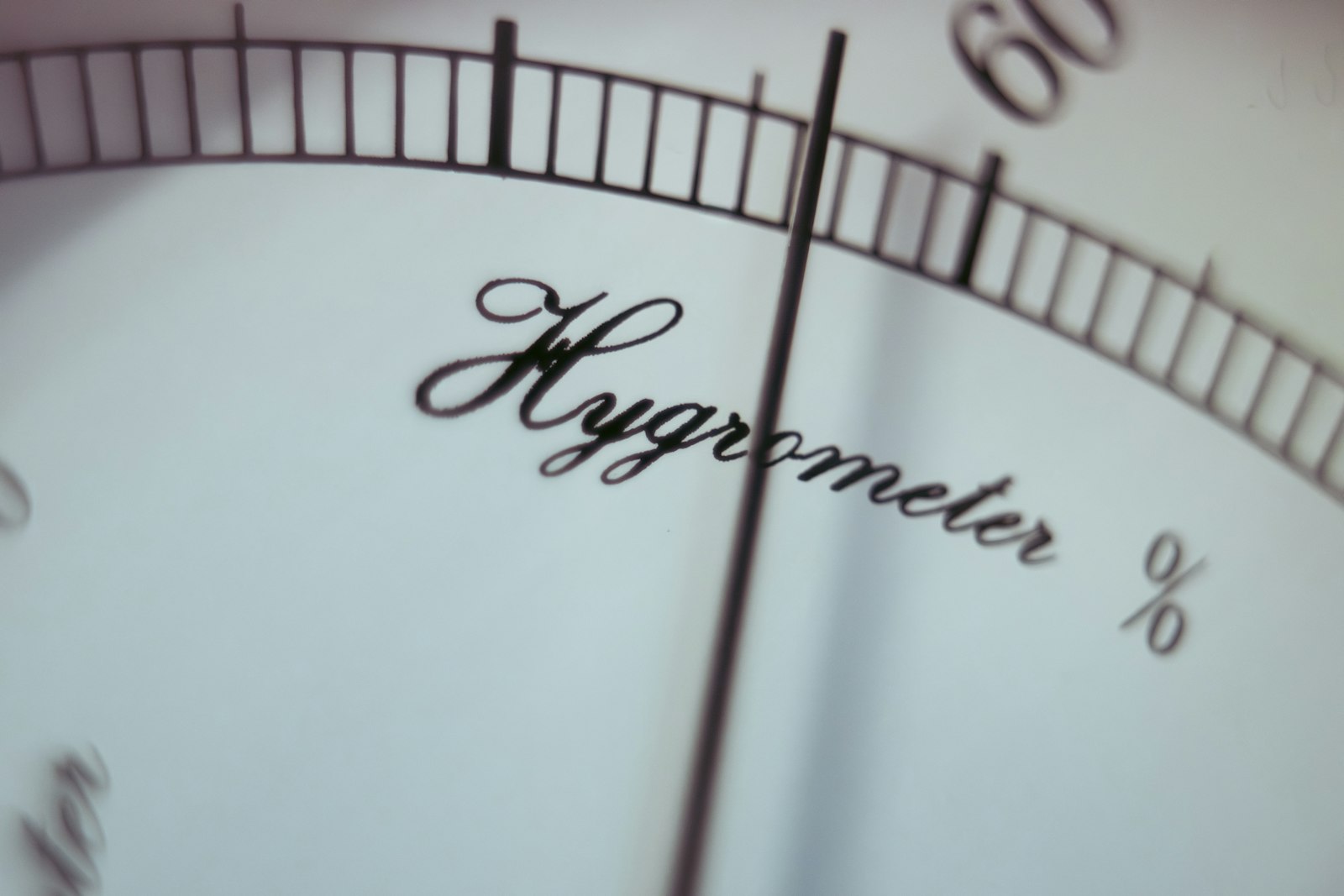
First, place the gauge where you spend time, away from the humidifier’s own mist. Read it at the same hours for a few days, because one reading tells you little. Then compare the number with the outdoor-temperature table and this guide.
What Do Hygrometer Readings Tell You?
| Reading | What it tells you | What to do |
|---|---|---|
| Under 30%, mild weather outside | Below the EPA and Mayo range | Add moisture with a clean humidifier set no higher than 50%, or the humidifier on your heating system if you have one |
| At or under the table’s cap, 0°F or colder outside | Within the EPA caps of 25% at 0°F, 20% at -10°F and 15% at -20°F | Leave it alone and watch the windows |
| 30% to 50%, windows clear | Inside the EPA, Mayo and CDC range | No change needed |
| 30% to 50%, windows fogging in a cold snap | Over the cap for that outdoor temperature | Lower the humidifier setting or run it less, per the EPA fact sheet |
| Over 50% | Above the EPA’s limit for humidifying | Turn the humidifier off and ventilate |
| Over 60% | Above the EPA’s 60 percent limit | Dry wet surfaces, find the moisture source, and use an air conditioner or dehumidifier when needed |
The ranges and actions come from the EPA’s moisture guide, its humidifier fact sheet, Mayo Clinic and the CDC. The row sorting by outdoor temperature is my own arrangement of those published numbers.
What Does Condensation on Windows Mean?
Windows give a free second opinion. The EPA says condensation can be a sign of high humidity. Its humidifier fact sheet names windows, walls and pictures as the places moisture shows up. If they get wet, move the unit, lower its setting or run it less.
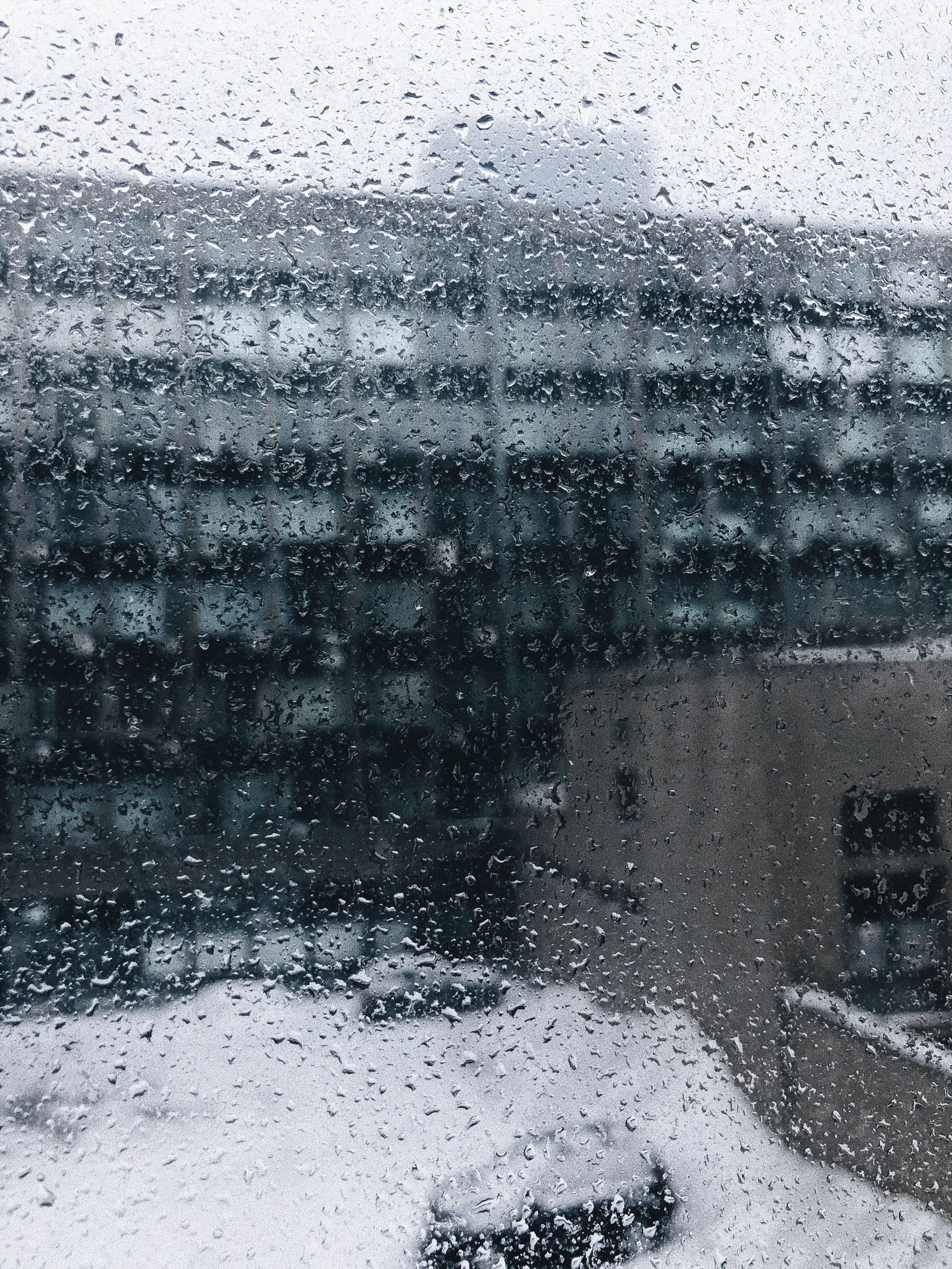
Too much moisture is a health issue. Mayo Clinic says excess humidity can cause condensation that encourages bacteria, dust mites and mold. The CDC says breathing in mold can trigger an asthma attack whether or not you are allergic to it. EPA’s page on controlling moisture in the home adds a caution. Humidifiers are not recommended in buildings without proper vapor barriers, and a building contractor can check yours.
How Do You Use a Humidifier Safely at Home?
Start with the type. Mayo Clinic lists central, ultrasonic, impeller, evaporator and steam vaporizer models. EPA’s humidifier fact sheet says ultrasonic and impeller units disperse the most microorganisms and minerals. Evaporative and steam units generally disperse less. Standing water in any tank can grow microbes, so no type escapes cleaning.
However, safety around children points the other way. MedlinePlus says to always use a cool-mist unit, especially for children, because warm mist can burn. Mayo says not to buy a steam vaporizer if you have children. Mayo also notes that cool mist may ease a stuffy nose, while heated humidified air does not seem to.
Then set it. MedlinePlus suggests 40 to 50 percent and says not to run the unit for long periods. The EPA says never humidify above 50 percent. MedlinePlus puts the unit several feet, about 2 meters, from the bed. All three recommend distilled water, since tap-water minerals can spread as white dust.
Mayo Clinic says anyone with asthma or allergies should talk to a health professional first. The EPA names who may be more susceptible to mist contaminants. That group includes the young, the elderly, and people with lung disease or respiratory allergies.
How Often Should You Clean a Humidifier?
Daily for the water, every third day for the scrub. That schedule comes from the EPA for portable units, and Mayo Clinic gives the same three days. MedlinePlus says to drain and clean daily. Use this checklist and tape it near the unit.
| When | Task | Source |
|---|---|---|
| Every day | Empty the tank, wipe it dry and refill with fresh water | EPA, Mayo Clinic, MedlinePlus |
| Every refill | Use distilled or demineralized water, not tap | EPA, Mayo Clinic, MedlinePlus |
| Every third day | Scrub the tank and parts with a brush or scrubber, then rinse | EPA, Mayo Clinic |
| Every day it runs | Check the hygrometer and keep it at or under 50% | EPA |
| Whenever glass or walls get wet | Move the unit, lower the setting or run it less | EPA |
| Placement | Keep it several feet from the bed | MedlinePlus |
| Console or central units | Follow the maker’s cleaning instructions | EPA |
| End of season | Clean the unit as directed before storing it | EPA |
I would buy a hygrometer before a humidifier. A few days of readings show whether the air is dry or the dryness comes from elsewhere, such as long hot showers. If the numbers sit under the table’s cap and the windows stay clear, the air is in range. Light is a separate winter question, and our piece on vitamin D in winter takes it on.
What Do People Ask About Indoor Humidity in Winter?
Is 30 Percent Indoor Humidity Too Low?
Not always. Thirty percent is the bottom of the EPA and Mayo Clinic range. However, the EPA table caps indoor humidity at 25 percent at 0°F outside and 20 percent at minus 10°F. So in a cold snap, a reading in the 20s stays within that table. In mild weather, a reading under 30 percent sits below the EPA and Mayo range.
Can a Humidifier Make You Sick?
A dirty one can. Mayo Clinic says mist from a dirty humidifier may contain bacteria or mold that triggers or worsens asthma and allergy symptoms. The EPA says to stop using the unit and contact a physician if you link respiratory symptoms to it. The fixes are daily water changes, scrubbing every third day and distilled water.
Should You Use Distilled Water in a Humidifier?
Yes. Mayo Clinic, MedlinePlus and the EPA all recommend distilled water, because minerals in tap water can spread as white dust and can help bacteria grow. The EPA adds that bottled water labeled spring, artesian or mineral has not been demineralized, so the label matters. Mayo also accepts demineralized water.
Where Should You Put a Humidifier?
Several feet from the bed, which MedlinePlus puts at about 2 meters. The AAD suggests running a portable unit in the bedroom while you sleep. Also watch the nearby windows, walls and pictures. If they collect moisture, the EPA says to move the unit, lower its setting or run it less.

 Jim Owen