
 Jim Owen
You may need more vitamin D from food or a supplement in winter, especially if you live in the northern half of the country. A classic study found that winter sun in Boston makes no vitamin D in skin from November through February. The NIH Office of Dietary Supplements lists the adult target as 600 IU a day, or 800 IU after age 70.
Published October 13, 2026.
Do I need vitamin D in winter
I always read the study, not just the headline. With vitamin D, that habit pays off. I live in Florida, and I have spent long stretches in Australia, so most of my year comes with plenty of sun. Here is what all that reading taught me: a sunny winter day is not the same everywhere. A bright January afternoon up north can look perfect and still do almost nothing for your vitamin D.
That is because skin makes vitamin D from ultraviolet light, and winter sun is weak. Mayo Clinic says you might get little to no vitamin D from the sun during winter, depending on where you live and how you live. So the winter answer leans on food, fortified products and, for some people, a supplement. A blood test and your clinician can tell you if you need one.
How much vitamin D should I take in winter
Your target does not change with the season. The NIH Office of Dietary Supplements (ODS) lists these Recommended Dietary Allowances, which cover total intake from all sources:
| Group | Daily target (RDA) |
|---|---|
| Adults 19 to 50 | 600 IU (15 mcg) |
| Adults 51 to 70 | 600 IU (15 mcg) |
| Adults over 70 | 800 IU (20 mcg) |
| Pregnancy, ages 19 to 50 | 600 IU (15 mcg) |
The ODS sets the Tolerable Upper Intake Level for adults at 4,000 IU (100 mcg) a day. That is a ceiling, not a goal. Mayo Clinic notes that taking more than 4,000 IU a day might cause problems, which are covered below. For children, Mayo Clinic lists 400 IU for infants up to 12 months and 600 IU from age 1. If you are unsure whether you are short, Dr. Jesse Bracamonte, a Mayo Clinic family medicine physician, suggests asking for a simple blood test.
Can you get vitamin D from the sun in winter
It depends on how far north you live. In 1988, researchers Webb, Kline and Holick published a study in The Journal of Clinical Endocrinology and Metabolism. They exposed skin samples to sunlight on cloudless days. In Boston, at 42.2 degrees north, winter sun from November through February produced no previtamin D3, the first step in making vitamin D. In Edmonton, Canada, at 52 degrees north, the dead period ran from October through March.
The authors concluded that the higher the latitude, the longer this vitamin D winter lasts. Farther south, the stretch is shorter. Other factors stack on top. The NIH ODS lists season, time of day, length of day, cloud cover, smog, skin melanin content and sunscreen as factors that affect how much vitamin D skin can make.

Who needs vitamin D supplements
The NIH ODS names the groups most at risk of falling short:
- Breastfed infants
- Older adults
- People with limited sun exposure
- People with dark skin
- People with conditions that limit fat absorption
- People with obesity or who have had gastric bypass surgery
Mayo Clinic adds Crohn’s disease and ulcerative colitis as examples of conditions that affect fat absorption. The ODS also notes that older people and people with dark skin are less able to make vitamin D from sunlight. Winter makes each of these gaps wider. If you fit one of these groups and live in the north, that is a good reason to ask about testing.
Foods high in vitamin D
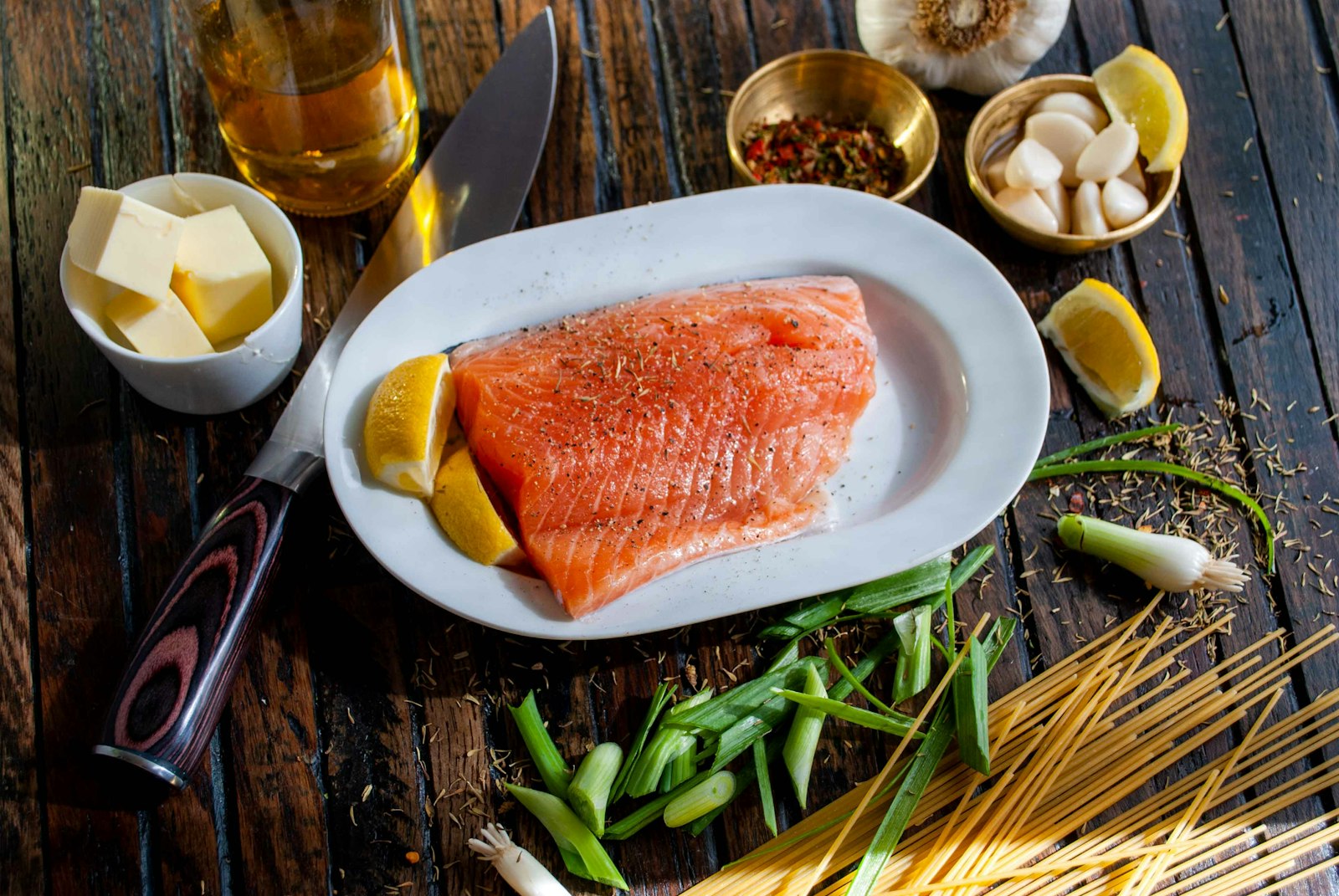
Mayo Clinic points out that vitamin D is not in many foods unless it is added. Fish is the main natural source. Here are amounts per serving from the NIH ODS food table:
| Food | Serving | Vitamin D |
|---|---|---|
| Cod liver oil | 1 tablespoon | 1,360 IU |
| Trout, farmed, cooked | 3 ounces | 645 IU |
| Sockeye salmon, cooked | 3 ounces | 570 IU |
| White mushrooms exposed to UV light | ½ cup | 366 IU |
| 2% milk, vitamin D fortified | 1 cup | 120 IU |
| Ready-to-eat cereal, 10% DV | 1 serving | 80 IU |
| Egg, scrambled | 1 large | 44 IU |
Read across the table and the winter math gets clear. One 3-ounce portion of sockeye salmon nearly covers an adult’s 600 IU. A glass of fortified milk covers about a fifth. On days without fish, most people fall well short of the target on food alone. Mayo Clinic also lists mackerel and sardines as fish that carry vitamin D.
Vitamin D deficiency symptoms
Low vitamin D is mostly a bone problem. Mayo Clinic says that without vitamin D, bones can become soft, thin and brittle. In adults, extreme deficiency causes osteomalacia, a softening of the bones. In children it causes rickets, which Mayo Clinic calls rare. A blood test is the way to know where you stand.
The test measures 25-hydroxyvitamin D. The NIH ODS gives these cutoffs. Below 12 ng/mL (30 nmol/L) is linked to deficiency. A level from 12 to under 20 ng/mL is generally considered inadequate, and 20 ng/mL (50 nmol/L) or higher is generally adequate. Levels above 50 ng/mL (125 nmol/L) are linked to potential harm.
Too much vitamin D symptoms
More is not better. Mayo Clinic warns that taking too much vitamin D in supplement form can be harmful and even deadly. Above 4,000 IU a day, it lists vomiting, loss of appetite, weight loss, muscle weakness, confusion, heart rhythm problems and kidney stones or kidney damage. The NIH ODS explains the cause. Toxicity raises blood calcium, a condition called hypercalcemia.
Medications matter too. Mayo Clinic flags interactions with digoxin, diltiazem, verapamil, thiazide diuretics, the psoriasis drug calcipotriene, some anticonvulsants, cholestyramine, orlistat and steroids such as prednisone. If you take any of these, talk to your clinician or pharmacist before adding a supplement.
Best time to take vitamin D
Dr. Bracamonte of Mayo Clinic suggests taking a vitamin D supplement in the morning with food. He also notes that a general multivitamin usually carries a low dose. For people who are not getting enough, he says a low-dose supplement may help bone health. Check the label of what you already take before you add a second product.
Vitamin D in winter FAQ
Is vitamin D from food enough in winter?
For some people, yes, but it takes planning. The NIH ODS lists 570 IU in 3 ounces of cooked sockeye salmon and 120 IU in a cup of fortified milk, against an adult target of 600 IU. Mayo Clinic notes that few foods contain vitamin D unless it is added, so many diets fall short.
Does sunscreen block vitamin D?
Partly. The NIH ODS says sunscreens with an SPF of 8 or more appear to block the UV rays that produce vitamin D. Mayo Clinic says sunscreen can lessen how much vitamin D your body makes. Neither source tells you to skip sunscreen, and food or supplements can fill the gap.
Can you take too much vitamin D?
Yes. The NIH ODS sets the adult upper limit at 4,000 IU a day. Mayo Clinic says doses above that might cause vomiting, muscle weakness, confusion, heart rhythm problems and kidney damage. The NIH ODS says toxicity raises blood calcium.
Do people in the South need vitamin D in winter?
They still need 600 IU a day, or 800 IU after 70, per the NIH ODS. The 1988 Webb, Kline and Holick study found the vitamin D winter gets longer the farther north you go. So southern states have a shorter gap. Skin tone, age, sunscreen and time indoors still affect your levels.
This article is for general information only and is not medical advice. Talk to a licensed clinician about your own situation.

 Tami Benedict
 Madeline Marshall