
 Travis Fuller
Vipassana, a Pali word usually translated as “insight” or “clear seeing,” sits in a weird spot in the modern wellness world: ancient and trendy at the same time, rigorously disciplined yet casually name-dropped, deeply doctrinal yet routinely stripped down for mass consumption. It comes out of the earliest layers of Buddhist contemplative practice, predating the mindfulness apps and corporate retreat packages that now borrow its name by something like two and a half thousand years.
For the curious newcomer, it promises something genuinely interesting: not relaxation in the shallow, spa-day sense, but a systematic reordering of how you perceive things, achieved through sustained, unflinching attention to bodily sensation. For the skeptic, it raises fair questions about efficacy claims, cultural borrowing, and the ethics of marketing a practice as a cure-all when it still carries a fairly serious spiritual framework that most Western practitioners never really unpack.
In this article, we’ll attempt to hold both of those postures at once: an informative rundown of what Vipassana actually involves, historically and technically, alongside a critical look at the gap between its traditional goals and how it gets sold today. Neither hero-worship nor eye-rolling really does the subject justice, so let’s try something a bit more careful than either.
Origins and Doctrinal Architecture

Vipassana’s roots are usually traced to the Satipatthana Sutta, a discourse attributed to the historical Buddha that lays out four foundations of mindfulness: contemplation of the body, of feelings, of the mind, and of mental phenomena. Vipassana is chasing something more epistemic — impermanence, unsatisfactoriness, and non-self, or perhaps even more broadly, the inevitability of suffering. This distinction gets glossed over constantly in popular writeups, which is a shame, because it’s kind of the whole point. Vipassana isn’t, in its classical form, a chill-out technique that happens to have some spiritual decoration on top; it’s more like a diagnostic tool built to take apart the perceptual habits that generate suffering in the first place, chiefly our tendency to treat the self as something stable and continuous rather than the shifting process it actually seems to be.
The version most widely taught in the West today largely comes from the lineage revived by U Ba Khin in Burma and later spread globally by his student S.N. Goenka. Goenka’s method leans heavily on systematic body-scanning: you direct sustained, even-keeled attention across the physical body, noticing sensations (itching, throbbing, tingling, pressure) without reacting to them, on the theory that reactive craving and aversion toward sensation are basically the engine driving psychological suffering. It’s a coherent and defensible theory of mind, but it is a theory.
The Practice Itself
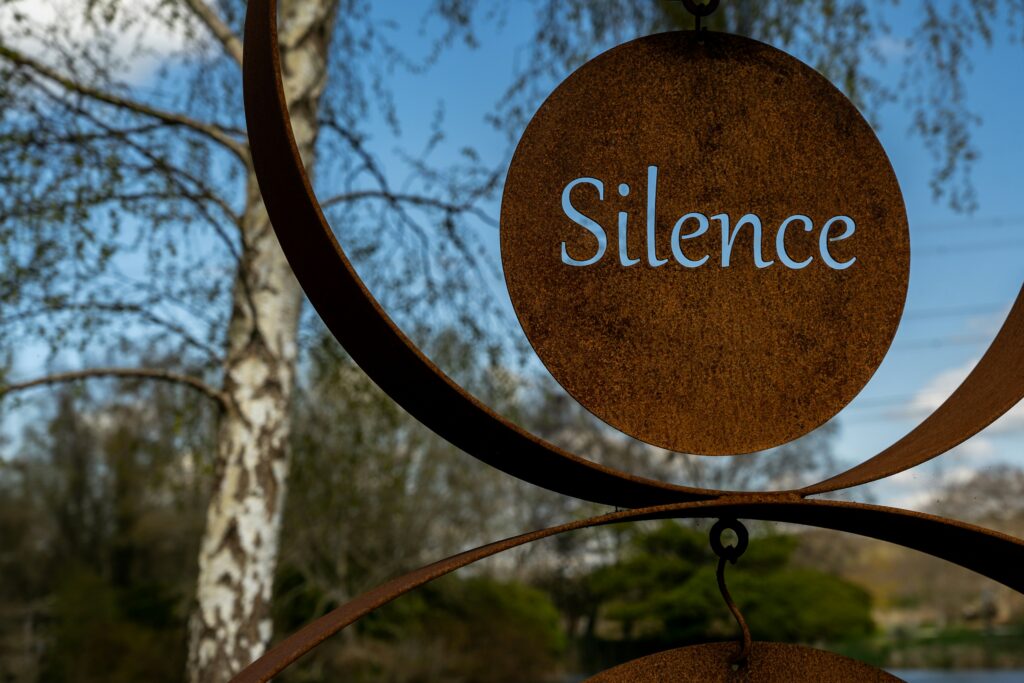
A typical Goenka-style retreat is genuinely demanding: noble silence (no talking, writing, or even gesturing to fellow participants), roughly ten hours of seated meditation a day, men and women housed separately, phones and books confiscated at the door, and a schedule that starts before sunrise and doesn’t let up until evening. The first few days are spent on Anapana, straightforward concentration on the breath at the nostrils, meant to stabilize and sharpen attention before the Vipassana technique gets introduced around day four. From there, practitioners scan the body section by section, cultivating what’s called equanimity, a deliberate refusal to grab at pleasant sensations or flinch away from unpleasant ones.
People who’ve done this describe it as leading to real insight into how transient and ownerless experience actually is, and quite a few report meaningfully less reactivity, anxiety, and compulsive rumination afterward. Those testimonials shouldn’t just be waved away. They accord with a decent body of research on mindfulness-based interventions more broadly. But it would be a little sloppy to treat anecdotes as evidence, and the sophistication of the underlying doctrine doesn’t automatically mean the empirical claims made in its name hold up to scrutiny.
An Honest Accounting of the Evidence
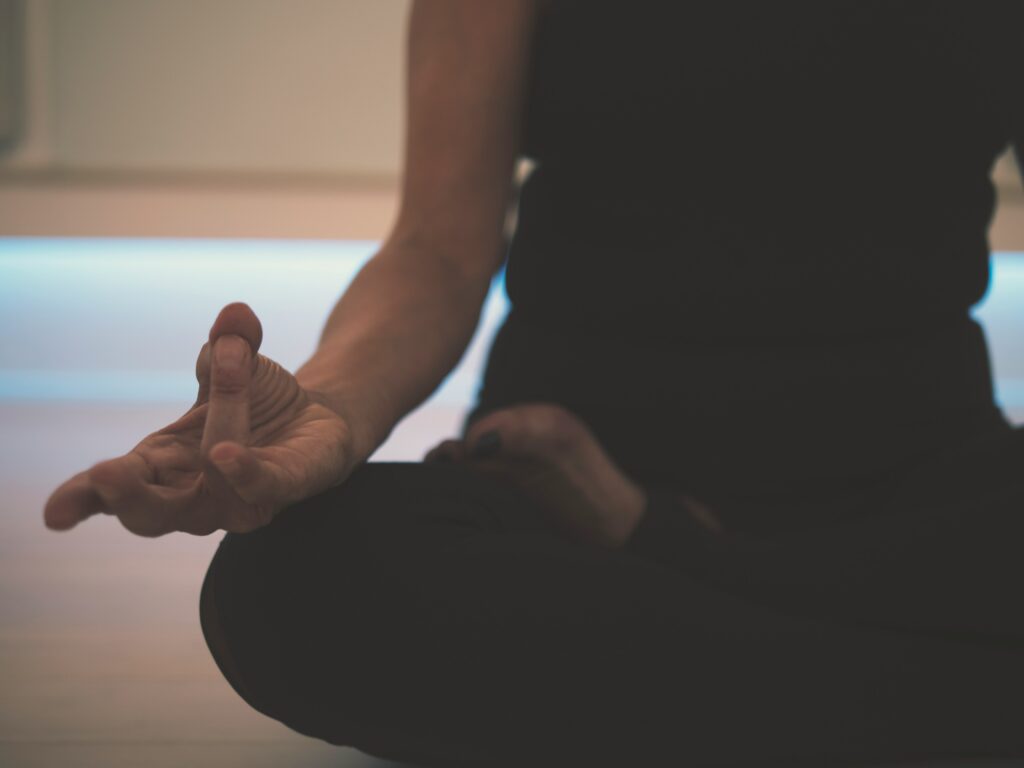
This is where the critical part comes in. Peer-reviewed research specifically on Vipassana, as opposed to the much larger and better-funded literature on mindfulness-based stress reduction (MBSR) and mindfulness-based cognitive therapy (MBCT), is still fairly thin and methodologically shaky. A lot of studies work with small, self-selected samples; people who voluntarily sign up for a ten-day silent retreat are, almost by definition, not a representative slice of the population in terms of prior mental health, motivation, or tolerance for hardship. Randomized controlled trials are hard to design given how tough it is to construct a convincing placebo condition, and dropout rates during the retreats introduce further bias toward people who happened to find the experience tolerable or worthwhile.
Some studies report drops in perceived stress, better emotional regulation, and gains in psychological well-being after Vipassana courses. Others find more mixed or short-lived effects, with benefits fading within a few months once the retreat ends, unless people actually keep up a daily practice. The neuroscience on long-term meditators is genuinely interesting stuff, showing correlations between extensive contemplative practice and changes in attentional networks, default mode network activity, and even some markers linked to emotional regulation. But that research usually involves practitioners with tens of thousands of cumulative hours under their belt — a totally different population from your average first-time, ten-day retreat attendee.
More concerning: a persistent minority of participants report real adverse effects — dissociation, panic, traumatic memories resurfacing without adequate support to actually process them; and in rare but documented cases, acute psychotic episodes that seem to be triggered by the sheer intensity of prolonged, unstructured introspection combined with sleep restriction, dietary austerity, and social isolation. To their credit, Goenka centers do screen for prior psychiatric history and discourage people with certain diagnoses from attending, and most retreat organizations have gotten more careful about this over the years. But the screening is typically self-reported and run by lay volunteers rather than clinicians, and the broader meditation industry’s marketing language rarely admits that intensive contemplative practice is, for a meaningful subset of people, a real psychiatric risk rather than an unambiguous good.
Cultural Provenance and Commodification
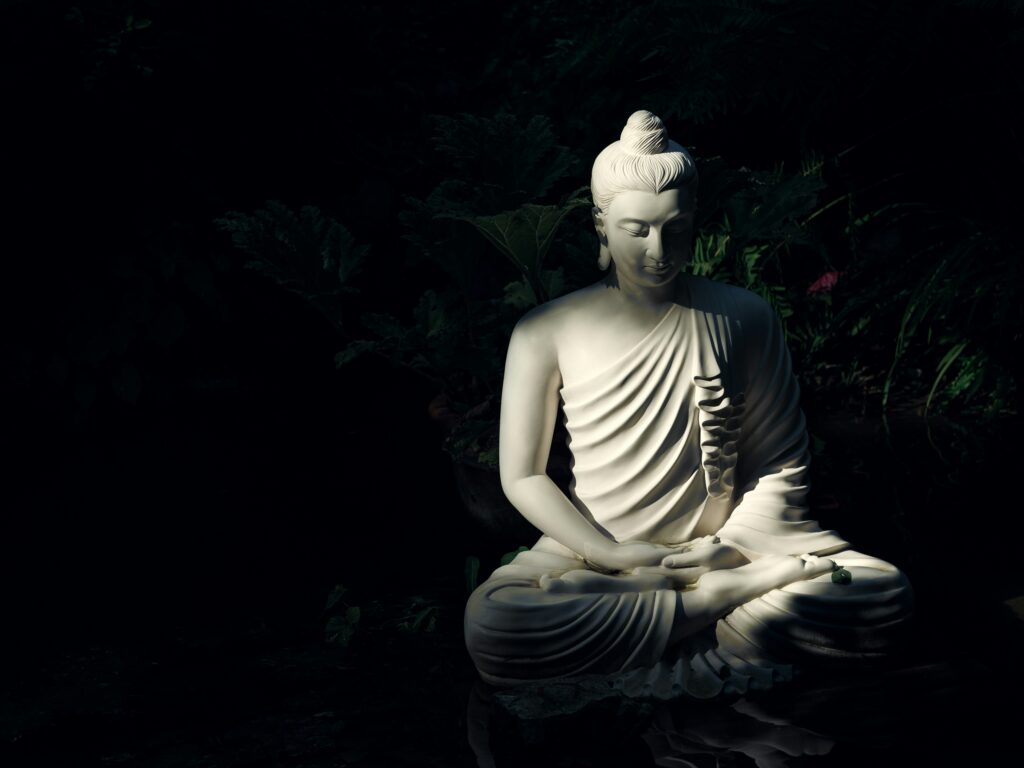
There’s another critical angle worth raising: the shift from a soteriological Buddhist path aimed at liberation into a largely secularized, individualized wellness tool aimed at stress reduction and workplace productivity. This isn’t inherently illegitimate — contemplative traditions get adapted, translated, and reinterpreted across cultures all the time, and there’s nothing dishonest about lifting a technique out of its original cosmology. But something does arguably get lost, and it’s worth naming, when a practice explicitly designed to erode attachment to the self gets repackaged as a way to optimize the self’s output at work; a tension sitting right at the center of what some scholars have half-jokingly called the “mindfulness industrial complex,” their term for the commercial appropriation of Buddhist contemplative technologies.
Goenka’s organization deserves some credit here: it charges nothing, actively pushes back against framing the technique as merely therapeutic, and insists on keeping Vipassana’s ethical scaffolding intact rather degrading it into a mere productivity hack. That arguably makes it more faithful to the tradition, though also more demanding and less appealing to people who just want a low-commitment introduction into meditation. Other lineages and teachers land at different points along this spectrum of secularization, and anyone thinking about trying it would do well to figure out which version of “Vipassana” a given teacher or center is actually offering, since the term has gotten pretty elastic in everyday use.
Weighing the Whole
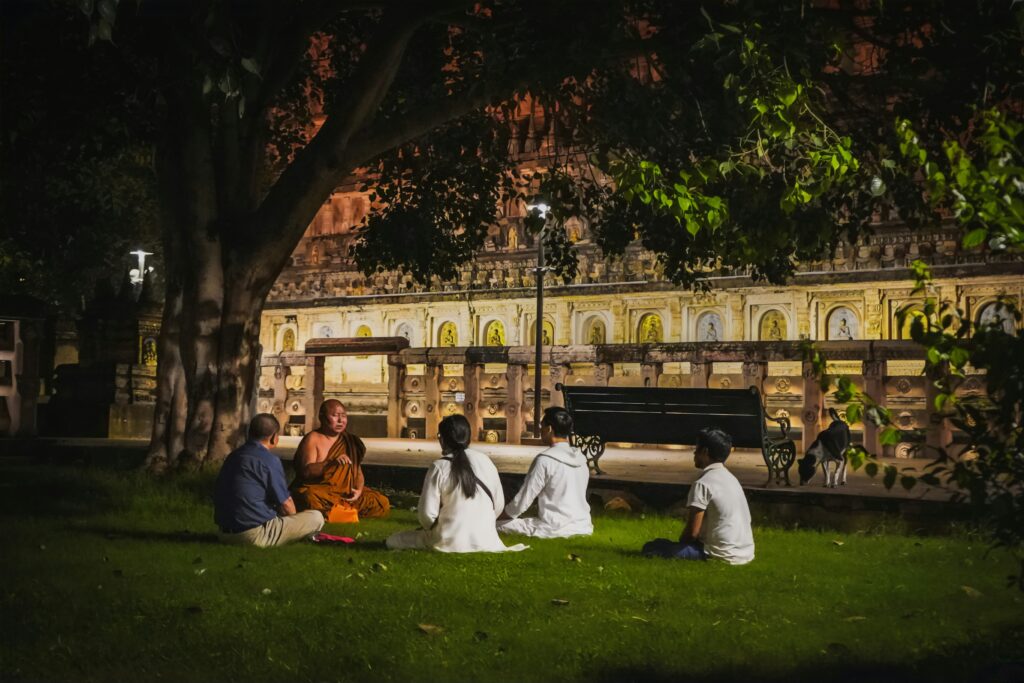
None of this should read as a wholesale critique, or a wholesale recommendation. Vipassana, whatever you make of its claims about non-self and the eventual cessation of suffering, offers a technically sophisticated way of building sustained, non-reactive attention; a skill with plausible relevance to emotional regulation, rumination, and the compulsive reactivity that shows up in a lot of everyday psychological distress. Its emphasis on direct, first-hand investigation rather than just accepting doctrine on faith is genuinely distinctive among contemplative traditions.
Still, the smart approach here is neither starry-eyed enthusiasm nor knee-jerk dismissal. Anyone considering a Vipassana retreat, especially the intensive ten-day version, would do well to take an honest look at their psychiatric history, be realistic about their tolerance for austere, isolating conditions, and set expectations that actually match what one retreat can and can’t do.

 Madeline Marshall

 Del Bailey