
 Richard Hollis
Picture a dinner plate split into four. Vegetables and fruit take two quarters, whole grains take one, and fish, beans, poultry or nuts take the last, with olive oil in the pan and water, coffee or tea to drink. That is the anti-inflammatory plate, and it is what to eat every day.
Updated November 17, 2026.
Anti inflammatory diet: what to eat and avoid
Nobody sells this one in a box, and that is the point. Cleveland Clinic calls it an overall style of eating rather than a fixed regimen, and points to the Mediterranean and DASH diets as two patterns shown to help with inflammation. No single food does the job on its own, because it is the sum of what you eat every day.
I’ve tried a low-carb stretch, and I’ve cooked Mediterranean-style too. The second is the easier sell at a family table, because it adds things instead of banning them. Olive oil goes in the pan, and beans or vegetables land on most plates.
Here is my call. Add first: more vegetables and fruit, at one meal a day. Overhyped: pills, powders and cleanses sold as inflammation support. This suits anyone who eats most meals from a box or a drive-through. Hold off on a big overhaul if your doctor or dietitian has already set your eating plan for a condition.
Build the anti-inflammatory plate
The Harvard T.H. Chan School of Public Health Healthy Eating Plate is the picture I’d use for the anti inflammatory plate. Vegetables and fruits fill half, whole grains a quarter and healthy protein a quarter. Olive or canola oil goes in the pan, and water, coffee or tea with little or no sugar goes in the cup. Here it is with everyday examples.
| Plate section | What goes there | Everyday examples | Swap out |
|---|---|---|---|
| Half: vegetables and fruit | Variety and color | Spinach, tomatoes, peppers, broccoli, berries, oranges | French fries (potatoes do not count as vegetables) |
| Quarter: whole grains | Whole and intact grains | Oats, brown rice, whole-wheat pasta | White bread, white rice, pastries |
| Quarter: healthy protein | Fish, poultry, beans, nuts | Salmon, sardines, lentils, almonds | Bacon, sausage, cold cuts |
| Healthy oils | Olive, canola and similar plant oils | Olive oil in the pan or on a salad | Butter, shortening, margarine |
| Drinks | Water, coffee or tea with little or no sugar | Water with lemon, black coffee, unsweetened tea | Soda and other sugary drinks |
Best for: anyone who would rather picture a dinner plate than memorize food lists. Skip it if a doctor or dietitian has you on a specific plan, and ask how the two fit together.
Anti inflammatory foods to eat every day
Harvard Health Publishing keeps its list of foods that fight inflammation short and familiar. Tomatoes and olive oil are on it. So are leafy greens such as spinach, kale and collards, almonds and walnuts, and fatty fish such as salmon, mackerel, tuna and sardines. The fruit picks are strawberries, blueberries, cherries and oranges. Nothing on it needs a special store.
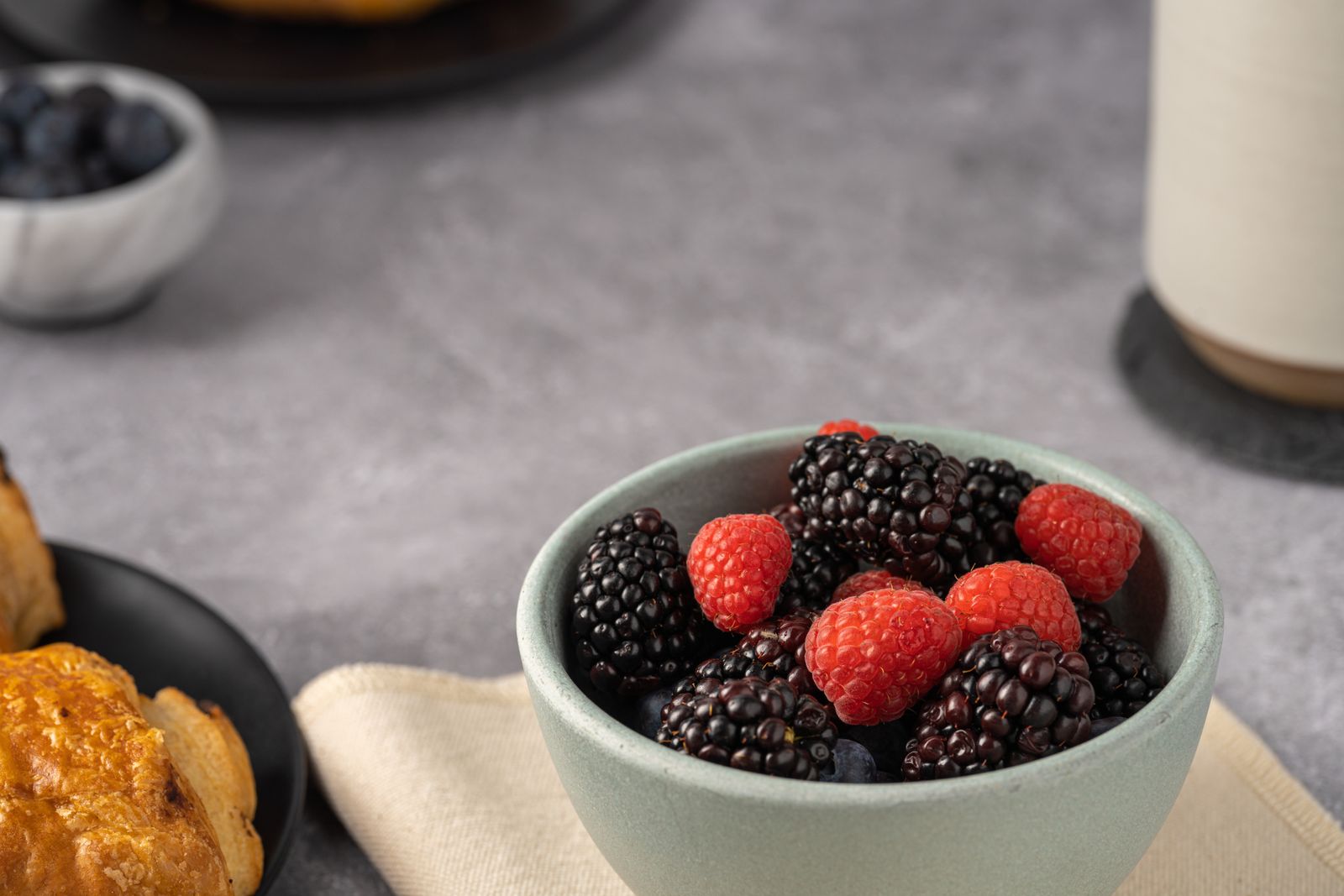
Berries: my first add
If I had to pick one thing to add first, it would be berries. They need no cooking. They go on oatmeal or yogurt, and a bowl of them is hard to get wrong. Best for anyone who wants an easy first step. Skip them if the price stings, because frozen ones work in the same spots.
Greens and tomatoes
Greens and tomatoes are the cheapest way to fill the half plate. A salad works, and so does spinach wilted into eggs or stirred into a pot of beans. If you think you hate salad, cook the greens instead. Best for people who need volume on the plate. Skip raw greens if they upset your stomach, and ask your doctor what suits you.
Olive oil and nuts
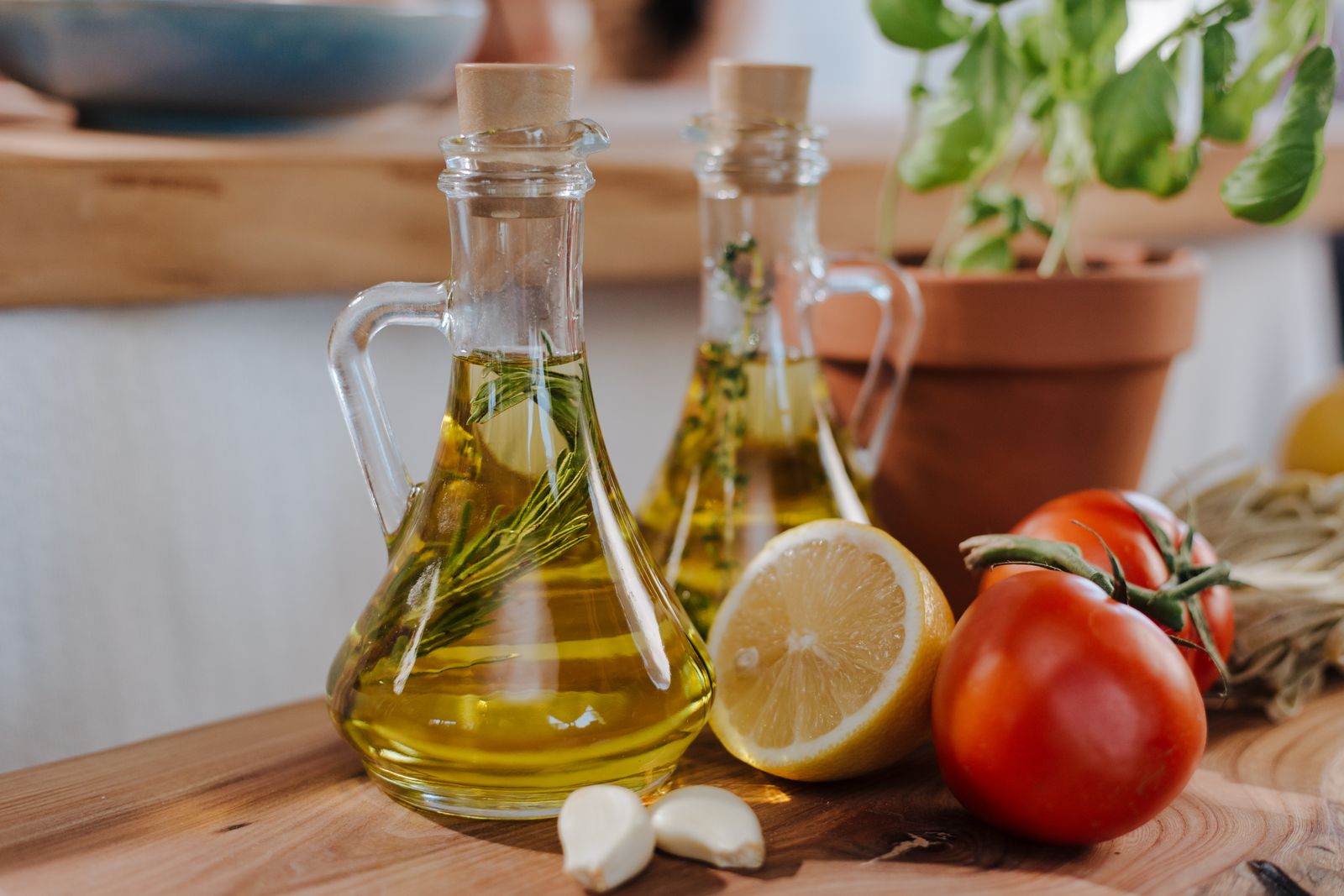
Olive oil is the fat I’d put in the pan most days, and a handful of nuts is a better afternoon snack than most things in a wrapper. Best for home cooks and anyone who snacks. Skip the extra oil and nuts if a doctor has told you to watch your fat intake.
Fish, beans and lentils
Fatty fish and beans split the protein quarter between them. Fish is the pick for anyone who likes it. Beans and lentils do the same job for everyone else. If you are sorting out how much you need, our guide on how much protein per day has the numbers.
A day on the plate: breakfast, lunch, dinner, snacks
Anti inflammatory breakfast plate
Oats with berries and a few walnuts is my default. Whole oats are digested more slowly than white bread, and fiber leads to a slower, lower rise in blood sugar, per Harvard’s Nutrition Source. That is why I’d put fiber and some protein at breakfast in place of a pastry. Best for anyone whose usual breakfast comes from a bakery case. Skip the push if you simply are not a breakfast eater.
Anti inflammatory lunch plate
A bean and vegetable salad with olive oil, plus a piece of chicken or fish from last night, covers all four parts. If you’ve ever packed a salad and eaten it at your desk by noon, you know it needs a protein or it won’t hold you. Best for desk lunches. Skip it if you have no way to keep it cold.
Anti inflammatory dinner plate
Roast a tray of vegetables, cook a fish fillet or a pot of beans, and add brown rice. A plate that is half beige usually means the vegetables got forgotten. Best for families who want one meal that works for everyone. Skip the fish night if someone at the table is allergic, and lean on beans.
Anti inflammatory snack plate
A handful of almonds, an orange, or tomatoes with olive oil all fit. Read the label on anything sold as healthy, since snacks like granola bars and trail mix can carry added sodium and sugar. Best for the three o’clock slump. Skip the snacking altogether if you aren’t hungry.
What to cut back on, and what is overhyped
The Harvard Health list of foods that promote inflammation reads like a grocery store tour: white bread and pastries, fried foods, soda and sugary drinks, red meat and processed meat, margarine, shortening and lard. Our piece on the adverse health impacts of ultra-processed foods goes deeper on that last group of packaged foods.
Of those, I’d start with sugary drinks. A typical can holds about 7 to 10 teaspoons of added sugar, according to Harvard’s sugary drinks page, which calls water the top choice. Most of us drink what is in the fridge, so the cheapest fix is to change what is in the fridge. Best for daily soda drinkers. Skip it if you never drink them.
Now the overhyped part: turmeric pills and “superfood” powders. The National Center for Complementary and Integrative Health calls the early evidence for osteoarthritis positive but says better studies are needed. Some highly bioavailable curcumin products may harm the liver, and some herbs interact with medicines in harmful ways. I’d skip the pill and ask my doctor first. Cooking with the spice is a different story, and these ways to use turmeric in your next meal are a fine start.
Juice is the quiet one. Harvard’s plate limits it to one small glass a day, so it is not the free pass the label suggests.
Is caffeine an inflammatory food?
Plain coffee is not on the bad list. The Harvard Nutrition Source says coffee appears to lower inflammation, and that an 8-ounce cup of brewed coffee has about 95 mg of caffeine. Moderate amounts may raise alertness and energy, while higher amounts may bring restlessness and poor sleep. The sweet part is the problem, so flavored syrups and sugary add-ins are where I’d cut back.
Best for people who already drink it and sleep fine. Skip it, or ask your doctor how much suits you, if you are pregnant, have trouble with blood pressure, or find caffeine keeps you up. Nobody needs to start drinking coffee for this.
Anti inflammatory diet for energy: what is supported
Here is the honest version. Cleveland Clinic includes more energy in its list of possible benefits of this way of eating. That is a may, not a promise, and I wouldn’t trust any plan that sells it as one.
What I can speak to is habits. Refined grains have a higher glycemic index than whole grains, and high-glycemic foods like white bread can cause bigger swings in blood sugar, per Harvard’s carbohydrate page. Fewer sugary drinks, steady meals with fiber, and water through the day are all easy to do and cost little. Whether you feel better is something to watch for yourself over weeks, not days.
How long do anti inflammatory foods take to work?
A Cleveland Clinic dietitian suggests giving yourself three to six months to make diet changes and start seeing results. If one specific food is the trouble, some people may notice a change two to three weeks after cutting it out. I’d treat that as a planning range, not a promise, because it depends on you and your health.
If joint pain is what brought you here, our guide to the best and worst food to eat if you have arthritis is a good next read, and your doctor is the right call on what to change.
A one-week plan: add one thing a day
Seven small swaps, one a day, and each one stays once it’s in. By the end of the week the whole plate is there without a big overhaul. Best for anyone starting from scratch. Skip the daily pace and go one swap a week if that suits you better.
- Day 1: Fill half your plate with vegetables or fruit at one meal.
- Day 2: Swap one sugary drink for water, plain coffee or unsweetened tea.
- Day 3: Cook with olive oil instead of butter.
- Day 4: Trade a packaged snack for a handful of nuts or a piece of fruit.
- Day 5: Make beans, lentils or fish the protein quarter at dinner.
- Day 6: Switch one refined grain to oats, brown rice or whole-wheat pasta.
- Day 7: Look back at the week and keep the steps that were easy.
Frequently asked questions about the anti-inflammatory plate
Is the anti-inflammatory plate the same as the Mediterranean diet?
Close, but not identical. Harvard Health describes the Mediterranean diet as high in fruits, vegetables, nuts, whole grains, fish and healthy oils, and suggests it for anyone who wants a plan that closely follows anti-inflammatory principles. I’d use it as the template and cook whatever your family will actually eat.
Can an anti-inflammatory diet give you more energy?
It may for some people, and that is as far as I’d take it. No food plan can promise it. I’d focus on steady meals and water, and tell your doctor if you are tired all the time.
Do I need turmeric or other supplements?
I wouldn’t start with them. The plate does most of the work, and some herbs and supplements can interact with medicines. If you’re curious about one, run it past your doctor or pharmacist before buying.
Is coffee okay on an anti-inflammatory plate?
Plain coffee usually is, and it’s one of the easier habits on this list to keep. Keep it light on the sugar, and watch how late in the day you drink it if sleep is an issue.
This article is for general information and is not medical advice. Talk to your doctor before changing your diet, especially if you have a health condition or take medication.

 Avery Walsh

 Del Bailey

 Madeline Marshall