
 Del Bailey
You can avoid winter weight gain with ten small nutrition habits, not a diet. Drink water or tea instead of sugary hot drinks, fill up on fiber and protein, prep soups ahead, keep filling snacks around, stay active indoors and protect your sleep. You still get your comfort food.
Updated November 4, 2026.
Every winter goes the same way if you let it. Shorter days, more time inside and a kitchen full of easy food. I’ve watched enough winters to know which habits last past January. It’s the boring ones: water on the counter, protein at breakfast, a set bedtime. The big ambitious plans are gone by week two.
Build meals around seasonal produce
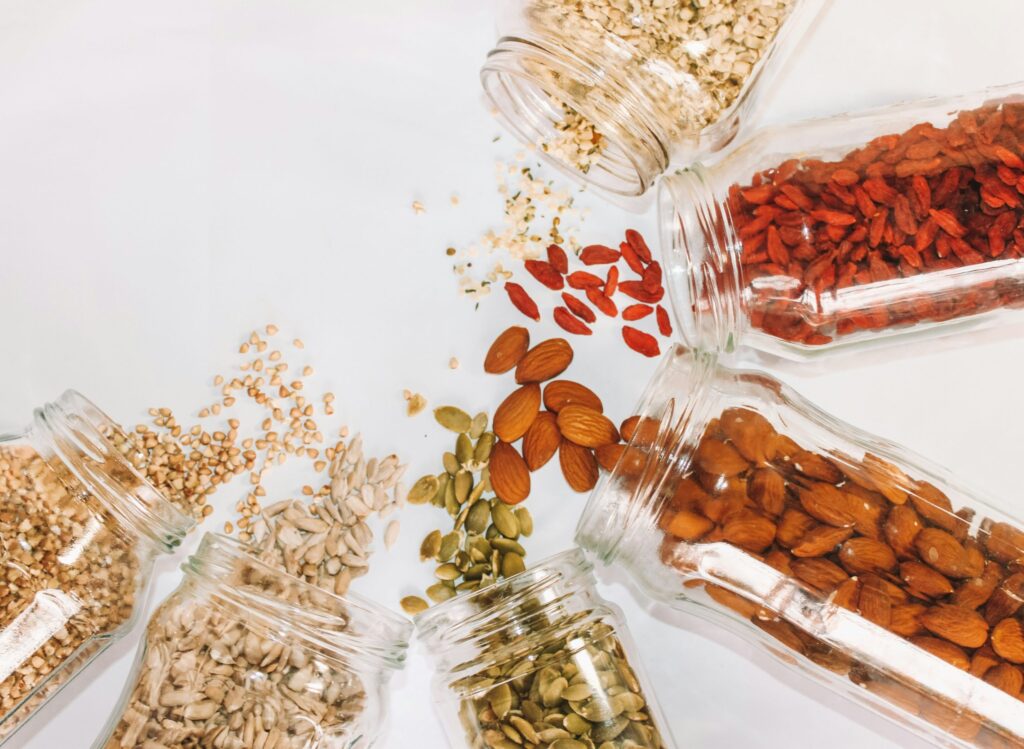
Kale, Brussels sprouts and sweet potatoes are all over the store in winter, and all three are great roasted. Try the same vegetable a few ways, roasted, sautéed or steamed, and see which one you like. Roast Brussels sprouts hot until the outer leaves char a little and they go from the thing nobody wants to the thing people ask for again. Build dinner around what’s in season and the vegetables taste like something.
Make hydration the default, not the afterthought

Water has no calories. The CDC’s point is simple: swap sugary drinks for plain water and you cut calories without changing anything else. Most of us reach for something warm the minute it gets cold out, and it’s rarely plain water. Hot chocolate and spiced lattes win in winter because they’re warm. An unsweetened herbal tea, maybe steeped with a slice of orange or a few mint leaves, or warm water with lemon fills the same spot with no added sugar. The CDC also suggests serving water with meals, so put a glass at every plate.
Eat the treat, then stop deciding about it

Holiday food is going to happen. A cookie that fits into your week and a plate you regret usually differ in one thing: whether you paid attention while you ate. Sit down, eat it, enjoy it and move on. Don’t graze the dessert table for twenty minutes while you talk about something else. Anyone who has been to a holiday party knows the food table is right where you end up standing. Moderation works better as a habit than as a fight you have with yourself every time.
Put fiber on the plate at every meal
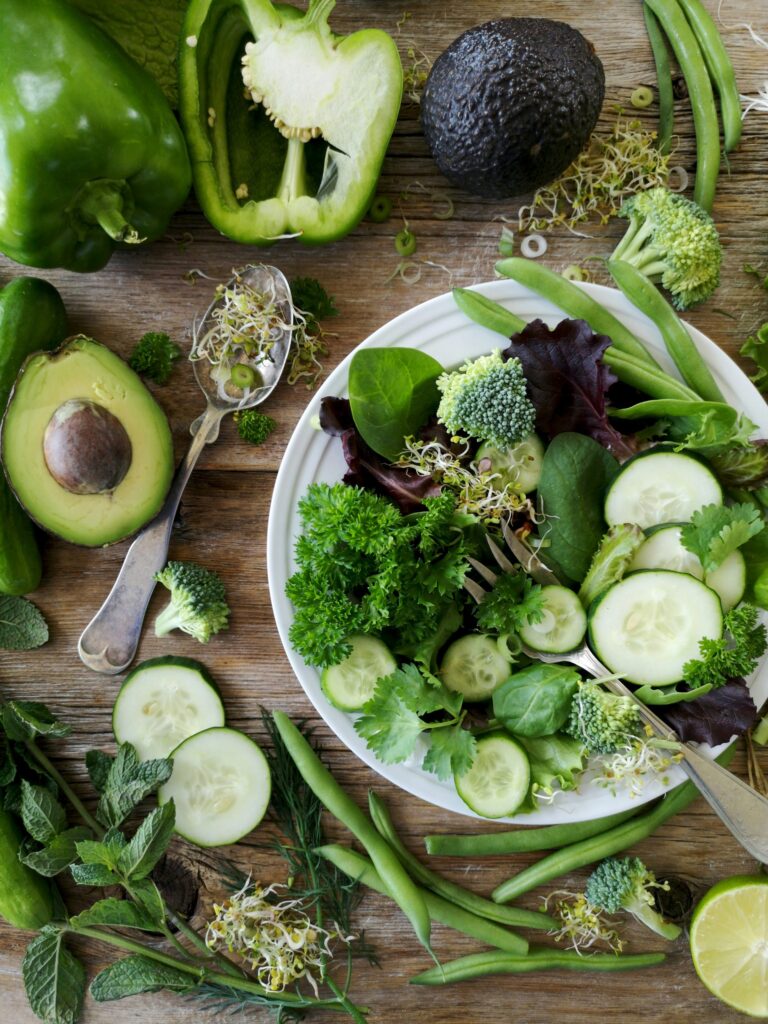
MedlinePlus says fiber adds bulk to your diet and makes you feel full faster, so it can help with weight control. It also says Americans eat about 16 grams a day on average, while adults are told to eat 21 to 38 grams. Whole grains, beans, lentils and vegetables close that gap. A bowl of lentil soup or bean chili at lunch keeps you full a lot longer than white bread does.
Keep snacks that actually hold you over
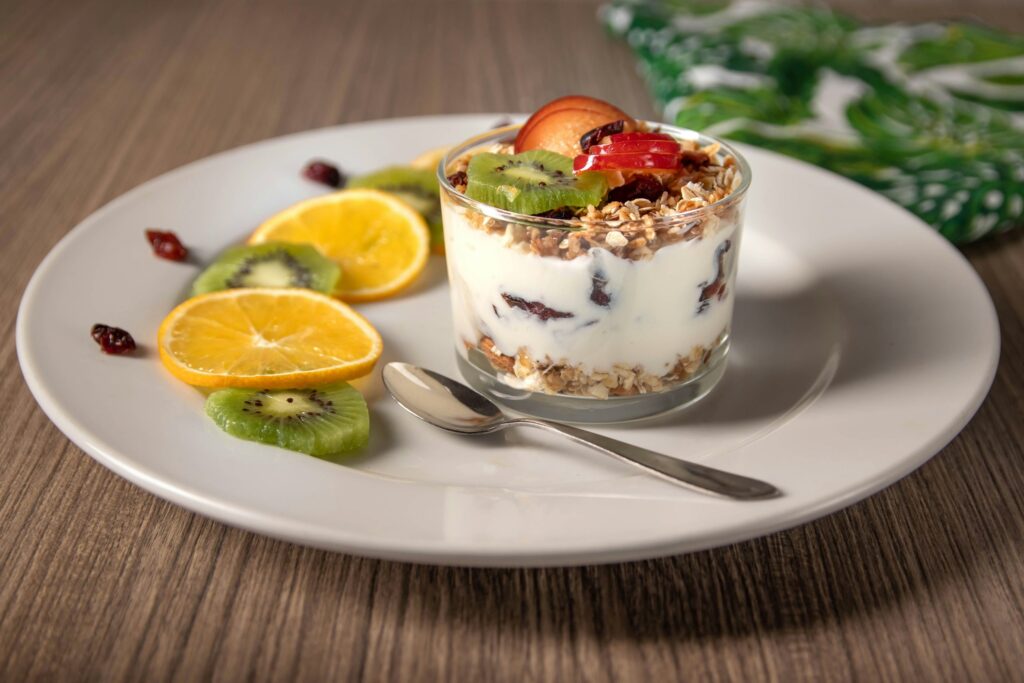
Nuts, seeds, Greek yogurt and fruit give you some fiber, some protein and a little fat. That’s why they hold off hunger longer than a snack that’s mostly sugar. Mix and match until you find combos you like. Keep two or three of them around, portioned out ahead if that helps. Then you’re not standing at the pantry at 3 p.m. choosing between almonds and a sleeve of crackers.
Prep the soups and stews on a slow day

Soups and stews freeze and reheat well, so they’re the easiest thing to make ahead, and winter salads are easy to prep too. Spend an hour on Sunday on one big pot and three or four weeknight dinners are done before the week starts. That’s the real win of winter meal prep. Most of us have come home on a dark, cold evening and ordered takeout because nothing was ready. You don’t have to decide what to cook on the night you least want to.
Get enough protein, not just more of it
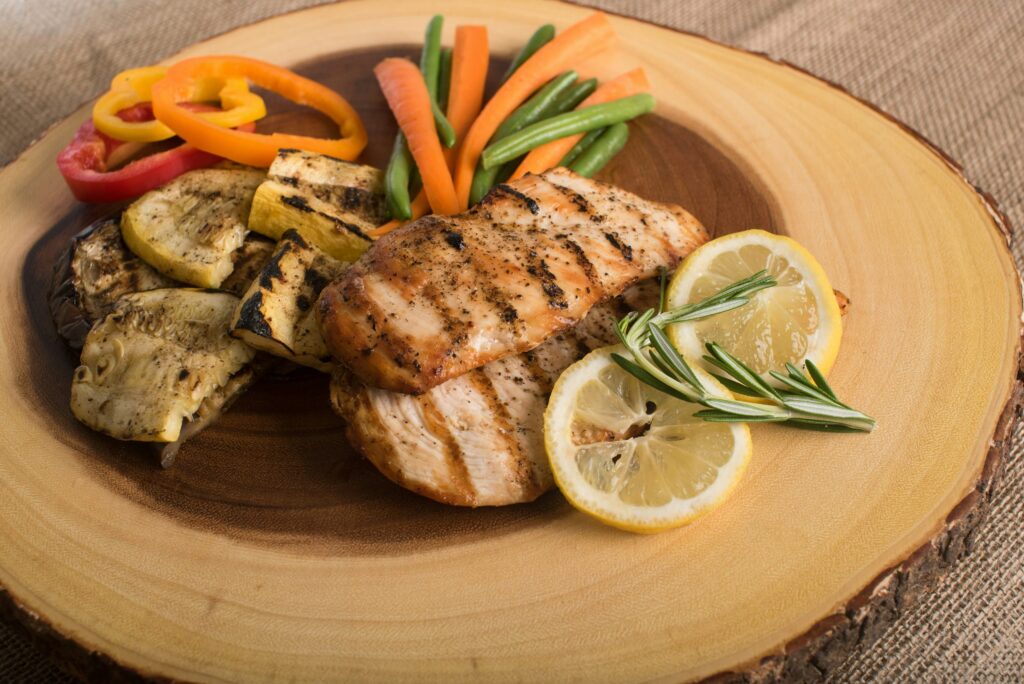
MedlinePlus says healthy adults should get 10% to 35% of their calories from protein, and each gram has 4 calories. On a 2,000-calorie day, that’s 50 to 175 grams. One ounce of most protein-rich foods, like meat, fish or poultry, has 7 grams. Lean meat, eggs, beans and soy all count. Switch up how you cook it, baked, grilled or in a pot, so it doesn’t get boring. MedlinePlus is clear that you don’t need animal products to get all the protein you need.
Use warming spices for flavor, not as medicine

Ginger, cinnamon and cloves make winter food taste like winter. Lean on them and a dish needs less sugar or salt to taste good. That’s the case for spices: more flavor, no real calories. Don’t expect more than that. A mug of hot water with fresh ginger and a cinnamon stick is a good stand-in for something sweeter, and that swap is where the payoff is.
Move indoors on the days you can’t go out

The CDC says adults need 150 minutes of moderate activity a week, or 75 minutes of vigorous activity, and you can break it into smaller chunks. Mayo Clinic says short bursts of activity during the day add up and have health benefits. Anyone who has had a cold, gray week knows how easy it is to stay on the couch all day. When it’s too cold or icy to go out, do a bodyweight routine, play an indoor sport or go ice skating. It all counts toward the week.
Protect your sleep schedule through the busy weeks

The CDC says adults 18 to 60 need 7 or more hours of sleep a night, and lists staying at a healthy weight among the benefits of getting enough. Holiday parties and late nights make that harder in winter. Keep your wake-up time the same, weekends included, and make your bedroom a calm place to sleep. Try a calm bedtime routine, like dimming the lights and putting your phone down.
Want something to do on the couch this winter? Try these exercises you can do while binge watching your favorite show.
Winter weight gain FAQ
Why do people gain weight in winter?
Shorter days mean less time outside, holiday plans push bedtimes later, and comfort food and sugary hot drinks are always within reach. None of that is set in stone. These are habits, and they answer to small, specific changes: water or tea instead of hot chocolate, protein at breakfast, a filling snack ready before you get hungry.
How much protein do I actually need?
MedlinePlus says healthy adults should get 10% to 35% of their total calories from protein, and each gram supplies 4 calories. On a 2,000-calorie day that works out to 50 to 175 grams. One ounce of most protein-rich foods, like meat, fish or poultry, has 7 grams, and you don’t need animal products to get enough.
Does drinking more water actually help with weight?
Water has no calories, so the CDC says trading sugary drinks for plain water can cut how many calories you take in. Water doesn’t burn fat on its own. The help comes from what it replaces. If a daily hot chocolate becomes a mug of tea or warm water with lemon, that’s the swap doing the work.
How much exercise do I need if I can’t get outside?
The CDC says adults need 150 minutes of moderate activity or 75 minutes of vigorous activity a week, plus two days of muscle strengthening. Mayo Clinic says short periods of activity through the day add up and have health benefits. So ten-minute bodyweight sessions in the living room still count toward the total.
This article is for general information only and is not medical advice. Talk to a licensed clinician or registered dietitian about your own situation.

 Jim Owen

 Madeline Marshall