
 Madeline Marshall
So you signed up. Or you’re about to. Maybe a coworker talked you into it. Maybe the race shirt came in a nice color. Maybe you watched a marathon on TV and thought, “Sure, but shorter.” Whatever the reason, your first 5K is now on the calendar, and nobody asked your legs.
Good news first. A 5K is 3.1 miles. That’s it. Not 5,000 miles, although that’s how it will feel somewhere in the middle of mile two. Three-point-one. You’ve probably walked that far in a mall looking for the car you swore was parked by the food court.
Now the bad news. You do have to train. Not a lot, though. Three days a week for about two months gets most beginners from the couch to the finish line with all their parts still attached. This guide covers the plan, the gear, the race morning panic, and the part where you cross the line and immediately start telling people about it.
Start Slower Than Your Ego Wants
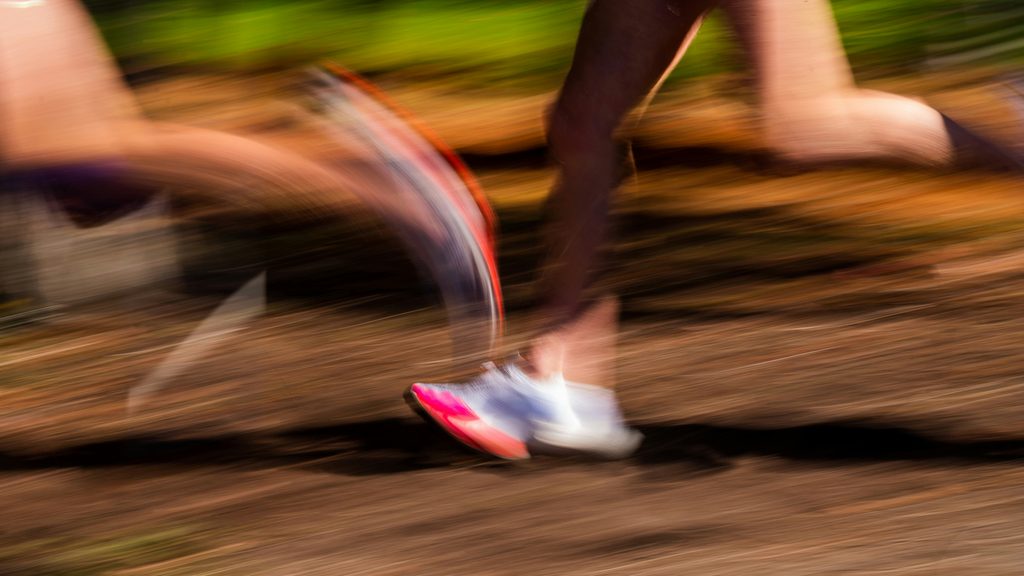
Your first run will go badly. This is tradition. You’ll head out too fast, because adrenaline is a liar, and by minute three you’ll be breathing like a broken accordion and wondering whether your lungs have always been this small.
Fix it with run-walk intervals. Run for one minute. Walk for ninety seconds. Repeat about eight times. That’s a workout. A real one. It counts.
Use the talk test to set your pace. If you can’t say a full sentence out loud, slow down. Slower. No, slower than that. At some point a man walking a basset hound may pass you. Let him go. He isn’t training for a race and you are.
The Training Plan, Roughly

Three runs a week, with a rest day between each one. Here’s the general shape:
- Weeks 1–2: Run-walk intervals, 20 to 25 minutes total. Mostly walking. Your dignity will survive.
- Weeks 3–5: Stretch the running parts. Two minutes, then three, then five. Shrink the walks.
- Weeks 6–8: Work toward 20 to 30 minutes of continuous running. Slow is fine. Slow is the point.
If a week feels brutal, repeat it. Nobody is grading you. There’s no permanent record. Plenty of people take ten or twelve weeks to get ready for their first 5K, and they still cross the same finish line as everyone else. Pick a race date that gives you a little breathing room.
Learn the difference between sore and hurt. Sore is a dull, whole-muscle complaint that fades after a day. Hurt is sharp, specific, and gets worse as you run. Sore means keep going. Hurt means stop and rest, and see someone if it doesn’t settle.
Rest days matter too. That’s when your body rebuilds. Which means lying on the couch is, technically, training. Enjoy that loophole. You earned it.
Gear: Less Than the Internet Says
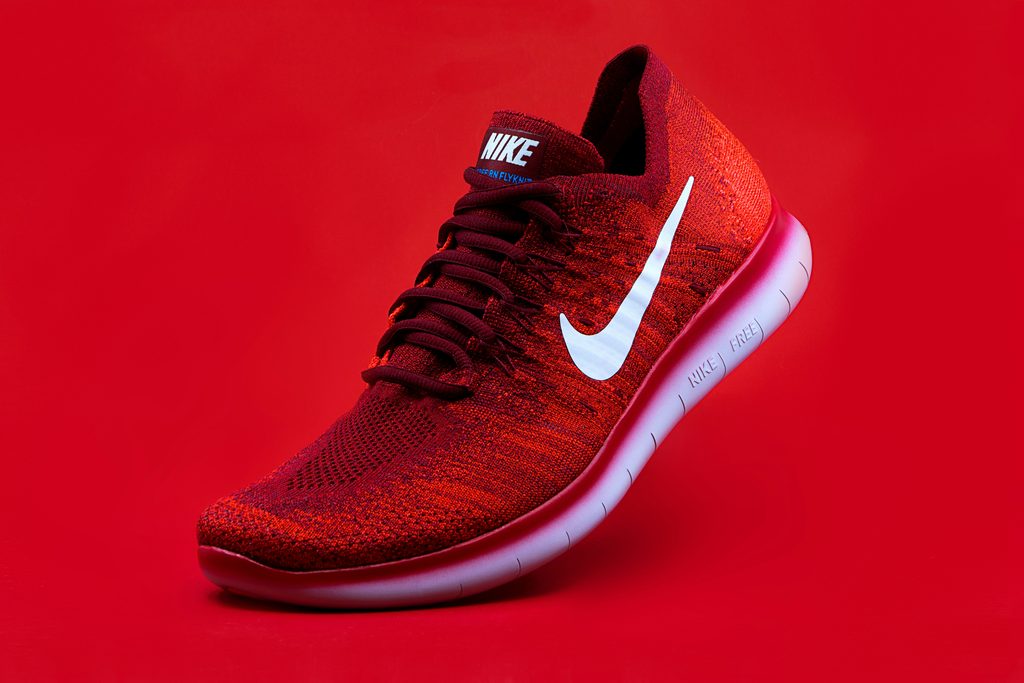
You need shoes. Real running shoes, not the sneakers you’ve been mowing the lawn in since the Obama administration. Go to a running store if you can. Someone there will watch you jog in a circle, nod knowingly, and hand you a pair that fits. It’s oddly emotional.
Then socks. Not cotton. Cotton holds sweat, sweat causes rubbing, and rubbing causes blisters that make you walk like a newborn giraffe.
That’s the list. Everything else is optional. The GPS watch, the app, the headphones, the hydration vest that makes you look like you’re about to defuse something. For 3.1 miles you don’t need any of it. Add things later if you want. Or never. Both are fine.
Food, Water, and Other Ways to Ruin It

One rule above all: nothing new on race day. No new shoes. No new breakfast. No mystery energy gel a stranger hands you at the start line. Race morning is not the time to find out how your stomach feels about anything.
Eat what you’ve been eating before your training runs, a couple of hours before the start. Drink water the day before, not a gallon at the starting line. There will be water stations on the course. You don’t need to stop at every one, and the cup will go partly up your nose anyway. Everyone’s does.
Race Morning
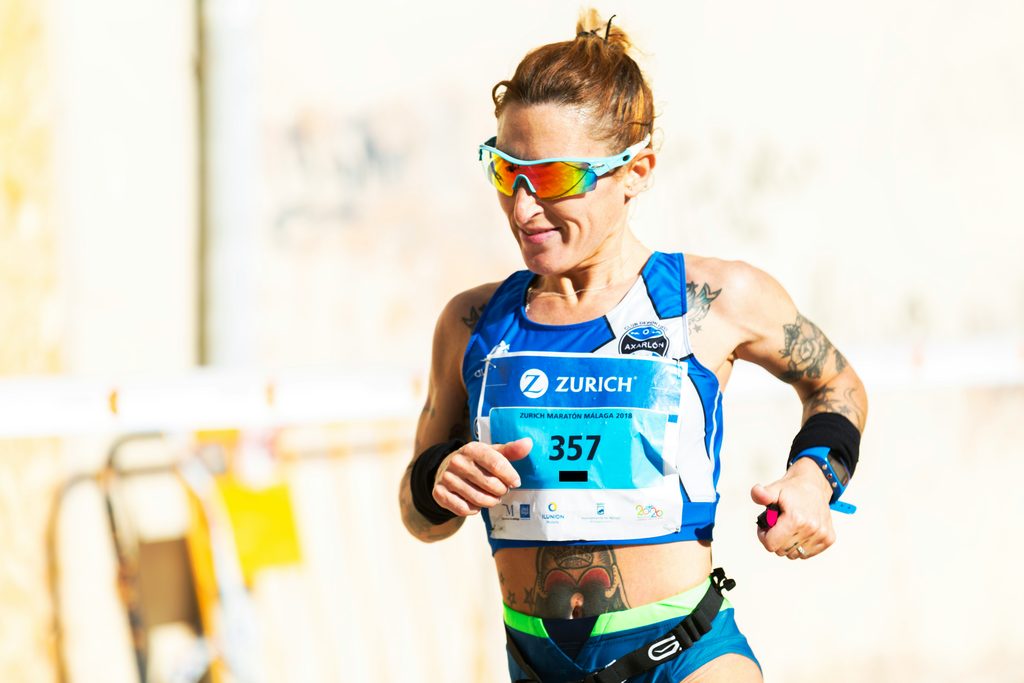
Get there early. Earlier than feels necessary. You have to park, pick up your bib, and wait in a portable toilet line that is somehow longer than the race itself.
Pin the bib on the front of your shirt. Then line up toward the back of the pack. The fast people go up front, and frankly they’ve earned it. Starting at the back has a bonus, too. Later in the race you’ll pass people, and passing people is a cheap, wonderful thrill.
Then the race starts, and everyone sprints. Don’t. Run the pace you trained. The first mile should feel almost too easy. Mile two will take care of that. By mile three you’ll be reading every spectator sign like it was written personally for you.
And you can walk. Walking is allowed. No one gets disqualified from a 5K for taking a breather. Walk for a minute, then pick it back up. That’s exactly what you practiced.
The Finish (and What Comes After)

Somewhere in the final stretch you’ll find a gear you didn’t know you had. Use it. Look up for the race photographer, who will capture you mid-gasp no matter what you do. Accept this.
Cross the line. Grab the water, the banana, the medal if there is one. Keep walking for a few minutes before you sit down, or your legs will lodge a formal complaint.
Then the inevitable happens. Within 48 hours you’ll be searching for another race. Your first 5K is a gateway. Next comes a 10K, then a foam roller, then strong opinions about cadence that no one asked for.
 Del Bailey

 Crystal Amelco