
 Del Bailey
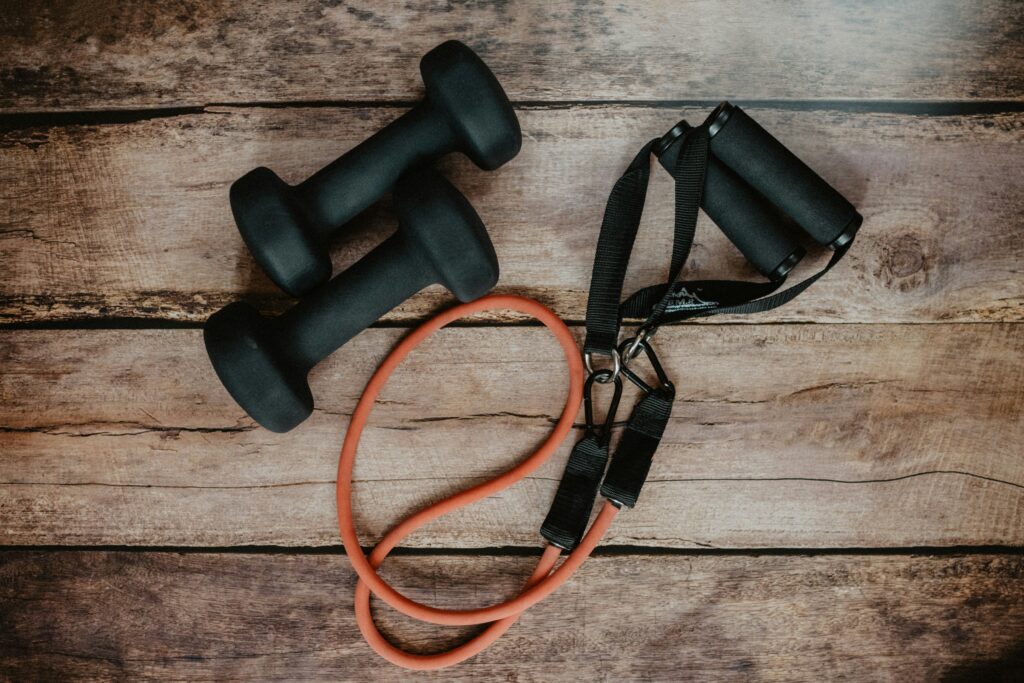
There is a particular vanity embedded in the modern fitness industry, a quiet but pervasive insistence that meaningful strength can only be forged inside gleaming rooms full of chrome and glass, as though the human body somehow forgot, across the many millennia before Nautilus machines and Olympic barbells existed, how to grow stronger through resistance alone. The resistance band, humble and unglamorous as it appears coiled in a drawer or tucked into a suitcase pocket, quietly refutes this vanity every time it’s stretched taut, offering a portable, endlessly adjustable form of tension that asks nothing of your zip code, your gym membership, or your bank account, only your willingness to show up and pull.
What follows is a tour through the essential exercises this simple length of rubber makes possible, organized by the muscle groups they serve, and offered in the spirit of a broader conviction worth stating plainly at the outset: that strength, real and durable strength, has never actually required abundance, only consistency, and that the endless proliferation of specialized equipment marketed to us each January says considerably more about commerce than it does about the actual biomechanics of getting stronger.
Understanding Resistance and Its Quiet Democracy
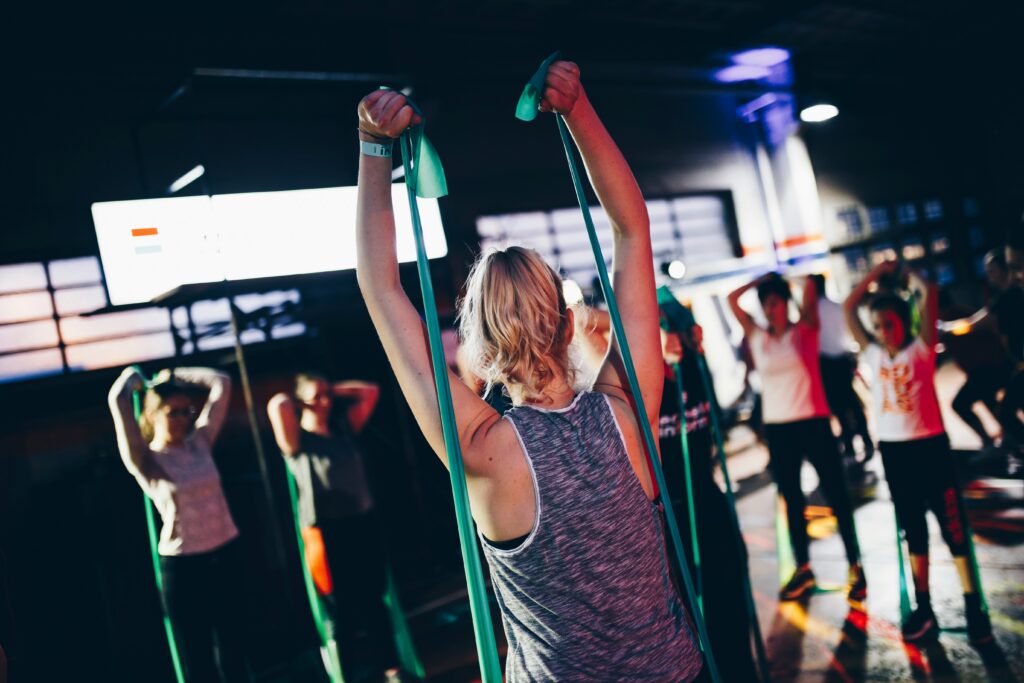
Before wading into specific movements, it’s worth pausing on what makes resistance bands genuinely different from free weights, because the distinction matters both mechanically and, if one is inclined toward such reflection, philosophically. A dumbbell delivers its resistance through the unyielding pull of gravity, constant regardless of the angle of your arm, while a band’s resistance builds progressively as it stretches, meaning the exercise grows harder precisely at the point in the movement where your muscles are best positioned to handle it. This variable tension trains the body through ranges that traditional weights often neglect, and it does so with an equipment cost measured in dollars rather than hundreds of dollars, a fact that ought to unsettle anyone who has ever assumed that fitness, like so much else in contemporary life, is simply a matter of what one can afford.
Bands typically arrive in graduated resistances, usually color-coded from light to heavy, and a well-stocked set of two or three levels will carry most people through years of progressive training without ever requiring replacement. Buy once, buy modestly, and let consistency rather than acquisition do the actual work of building strength.
Upper Body: Rows, Presses, and the Humbling Truth of Your Own Posture
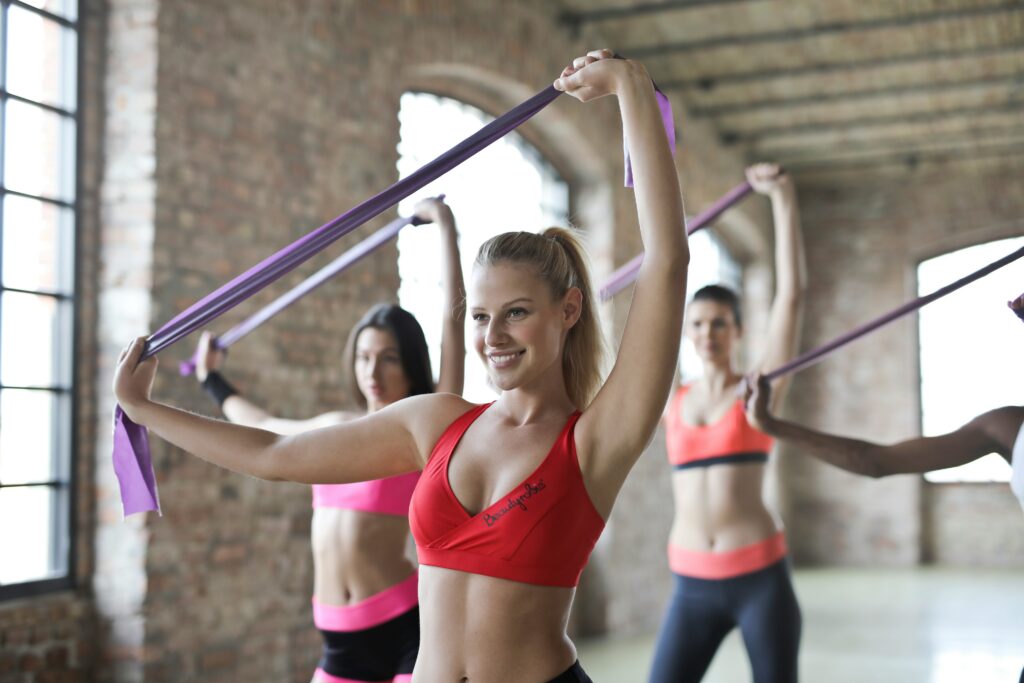
Begin with the seated row, a movement that does more than most exercises to correct the forward-hunched posture that decades of desk work and phone-scrolling have quietly imposed on an entire generation. Sit on the floor with legs extended, loop the band around your feet, and pull the handles toward your ribs while squeezing your shoulder blades together, holding briefly before releasing with control. Three sets of twelve to fifteen repetitions will, over weeks rather than days, begin to reverse a slump that no amount of reminders to “sit up straight” ever seem to fix on their own, a small but telling reminder that posture is a matter of strength rather than willpower.
The banded chest press follows naturally, anchoring the band behind you at chest height, or simply behind your back if standing, and pressing the handles forward until your arms extend fully before returning slowly to the starting position. Overhead presses, performed by standing on the band and pressing the handles from shoulder height to full extension above the head, round out a triad of pushing and pulling that, performed consistently, builds the kind of functional upper-body strength that has far more bearing on carrying groceries and lifting suitcases than it does on any mirror-driven vanity metric.
Lower Body: The Unglamorous Work of Squats and Glute Bridges
No resistance band routine earns the right to call itself comprehensive without addressing the lower body, where the humble band performs perhaps its most underappreciated service: activating the stabilizing muscles that heavier, more glamorous barbell work often bypasses entirely. Loop a light band just above your knees and perform standard bodyweight squats, feeling the band demand that your knees track outward rather than collapsing inward, a correction that speaks to a broader truth about strength training, namely that the muscles doing the least visible work are often doing the most important work.
The glute bridge, performed lying on your back with the band looped above the knees and feet planted, hips lifting toward the ceiling in a slow, deliberate arc, addresses a muscle group that modern sedentary life has rendered chronically underused in an alarming share of the population. Lateral band walks, performed in a half-squat position while stepping sideways against the band’s resistance, complete this lower-body sequence, and together these three movements build the kind of hip and glute strength that quietly prevents the knee and lower-back complaints that so many people mistake for an inevitable consequence of aging rather than a preventable consequence of neglect.
Core: Anti-Rotation and the Discipline of Stillness

It would be a disservice to any comprehensive strength routine to neglect the core, though the exercises here reward a different kind of effort than the upper and lower body movements already described, one rooted less in visible motion than in the harder, quieter discipline of resisting motion altogether. The Pallof press, anchoring the band to your side at chest height and pressing the handle straight out from your chest while resisting the band’s pull to rotate your torso, trains what exercise physiologists call anti-rotational strength, a capacity that matters enormously for spinal health and yet receives a fraction of the attention lavished on the more photogenic pursuit of visible abdominal muscles.
Standing band rotations, holding the handle at chest height and rotating your torso against the band’s resistance before returning to center, build on this same principle, and both exercises reward a certain humility: there is no dramatic burn, no obvious swelling of effort, only the slow accumulation of a stability that reveals itself not in appearance but in the simple, underrated experience of moving through a day without pain.
Full-Body Integration: The Squat-to-Press
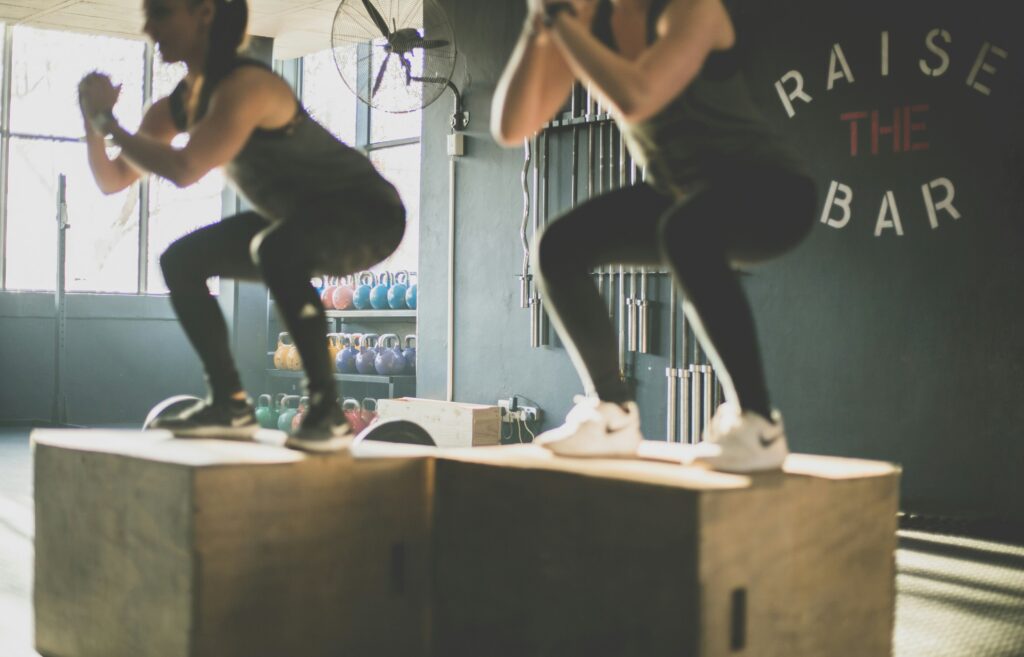
For those seeking to compress a fuller workout into a shorter window, the squat-to-press combines lower and upper body work into a single flowing movement, standing on the band with feet shoulder-width apart, descending into a squat, and driving upward into an overhead press as you rise. This compound movement reflects a principle worth carrying beyond the realm of exercise entirely: that efficiency and effectiveness need not compete with one another, that the most valuable use of limited time often comes not from doing more but from combining what already works.
Progression: The Only Metric That Actually Matters
It would be incomplete to describe these exercises without addressing the question of progression, since resistance without increasing demand eventually plateaus into mere maintenance, pleasant enough but insufficient for anyone actually seeking to grow stronger over time. The most straightforward path forward involves simply advancing to a heavier band once fifteen repetitions across three sets begins to feel comfortable rather than genuinely challenging, a signal that the tissue has adapted and now requires a new demand to keep adapting further. A second, subtler path involves manipulating tempo instead, slowing the lowering phase of any given movement to a count of three or four seconds, which extends the muscle’s time under tension without requiring any new equipment whatsoever.
There is something worth noting in this second option, a reminder that progress need not always announce itself through acquisition, through the purchase of a heavier band or a fancier attachment, but can instead emerge from a more patient attention to how a movement is performed rather than merely how much resistance opposes it. This distinction, small as it seems, echoes a pattern visible well beyond the realm of fitness: that genuine improvement in nearly any pursuit tends to reward depth of attention over breadth of acquisition, a lesson the resistance band, in its stubborn simplicity, seems almost designed to teach.

 Jim Owen
 Madeline Marshall
 Tami Benedict
Add comment