
 Del Bailey
Carbon monoxide poisoning happens when you breathe in carbon monoxide (CO), an odorless, colorless gas from burning fuel. If you suspect it, get to fresh air and call 911. CDC says more than 400 Americans die each year from unintentional CO poisoning that is not linked to fires.
Published October 31, 2026.
Poison Help is the second number to know. The toll-free line, 1-800-222-1222, connects you to your local poison center and is open 24/7 in over 100 languages, per HRSA. MedlinePlus lists it as free and confidential. If the person collapses, has a seizure, has trouble breathing or cannot be woken up, call 911 first.
This page is general information. It cannot tell you whether you or anyone else has been poisoned, and it is not a substitute for emergency care.
Carbon monoxide poisoning symptoms
CDC lists headache, dizziness, weakness, upset stomach, vomiting, chest pain and confusion. MedlinePlus adds drowsiness and trouble breathing. In severe cases it lists fainting, convulsions, shock and unconsciousness. In small children the signs can be quieter, such as fussiness, trouble feeding or odd behavior.
The hard part is that these look like other illnesses. CDC describes the symptoms as flu-like, and MedlinePlus says CO poisoning is often confused with viral illness. That overlap matters during flu season, when a headache and a queasy stomach at home get blamed on a bug. One clue, per EPA, is flu-like symptoms that clear up after leaving the home, but only a clinician or emergency responder can sort one from the other.
There is a second problem. CDC says people who are asleep or intoxicated can die before they have any symptoms at all.
I have been through enough Colorado winters to know how the season goes. First hard freeze, the furnace kicks on, the fireplace comes out of storage, and if the power drops somebody drags out a generator. Every item on that list burns something. That is why I treat CO as a cold-weather topic, even though the gas does not care what month it is.
What to do if you suspect carbon monoxide poisoning
CPSC says to get outside to fresh air immediately and then call 911. MedlinePlus gives the same order for a person who may be poisoned: move them to fresh air right away, seek immediate medical attention and call the local emergency number. It adds that you should not delay calling for help if you are missing details.
- Get everyone outside to fresh air.
- Call 911 or the fire department.
- Do a head count.
- Do not go back in until the responders say you can. CPSC says not to hunt for the source yourself.
When help arrives, MedlinePlus says to tell them the person’s age, weight and condition, such as whether they are awake and alert, and how long they may have been exposed. In the emergency room, MedlinePlus lists monitoring, oxygen, blood tests, an ECG and, in some cases, hyperbaric oxygen therapy, which is high-pressure oxygen given in a special chamber.
If a CO alarm sounds, CPSC says never to ignore it. Follow the same steps. If the alarm goes off again within a day of coming back inside, CPSC says to repeat them and have a qualified technician check every fuel-burning appliance.
Who is at risk for carbon monoxide poisoning
CDC says everyone is at risk. It names infants, older adults and people with chronic heart disease, anemia or breathing problems as more likely to become seriously ill. Here are the numbers the two agencies publish:
| Figure | What it counts | Source |
|---|---|---|
| More than 400 deaths a year | Unintentional CO poisoning not linked to fires, US | CDC |
| More than 100,000 ER visits a year | Unintentional CO poisoning not linked to fires, US | CDC |
| More than 14,000 hospital stays a year | Unintentional CO poisoning not linked to fires, US | CDC |
| More than 200 deaths a year | Accidental non-fire CO poisoning, US | CPSC |
| More than 100 of those deaths | Linked to portable generators | CPSC |
Animals are in the same boat. CDC says CO can build up indoors and poison people and animals, and MedlinePlus says pets may show symptoms before people do.
Where does carbon monoxide come from in a home
Anything that burns fuel can make it. CDC lists fumes from cars and trucks, small engines, stoves, lanterns, grills, fireplaces, gas ranges and furnaces. EPA adds unvented kerosene and gas space heaters, leaking chimneys and furnaces, and back-drafting from water heaters and wood stoves. It also lists exhaust from an attached garage.
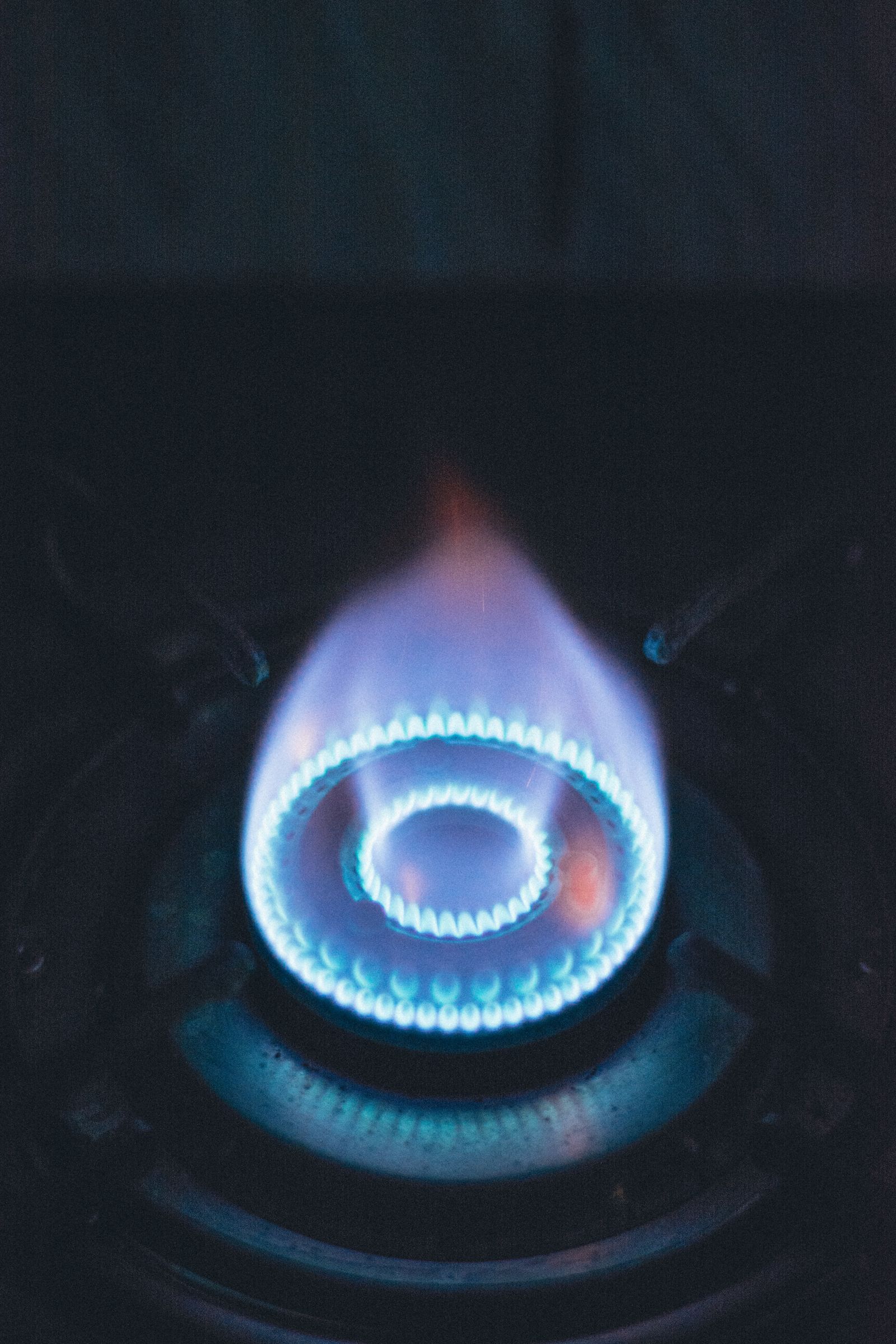
The advice for each source is blunt. This table pulls the rules from CDC and CPSC:
| Source | What the agencies say |
|---|---|
| Gas oven, range or clothes dryer | CPSC says not to use them to heat a home. CDC says never heat your home with a gas oven. |
| Charcoal | CDC and CPSC say never burn it indoors, including in a garage. |
| Portable camp stoves and flameless chemical heaters | CDC says not to use them indoors. |
| Car or truck in an attached garage | CDC says never run one there, even with the door open. |
| Unvented stove or fireplace | CDC says do not cook or burn anything on one. |
| Portable generator | CDC and CPSC say never run one inside a home or garage, even with doors and windows open. |
Carbon monoxide poisoning from generator
Generators stand out in the numbers. CPSC links more than 100 of the more than 200 CO deaths it counts each year to portable generators. Its rule is short: never use one inside a home or garage, even with the doors and windows open, and run it outside at least 20 feet from the house with the exhaust pointed away. CDC gives the same distance and says to keep it more than 20 feet from windows, doors and vents.
CDC also says to run a battery-powered or battery backup CO alarm in the home. It also asks people to report generator-related poisonings to CPSC at saferproducts.gov.

How to prevent carbon monoxide poisoning
Most of the advice comes down to alarms and yearly service. CPSC says to install battery-operated alarms, or alarms with battery backup, on every level of the home and outside sleeping areas. It does not recommend kitchens or spots above fuel-burning appliances. It notes that interconnected alarms are best, because when one sounds they all sound.
CDC says to check alarm batteries when you change the clocks in spring and fall, so when the clocks fall back is a good reminder. It also says to replace alarms following the manufacturer’s instructions or every 5 years. CPSC adds that the test button only shows the circuitry works, not that the sensor is accurate.
- Have heating systems, water heaters and other gas, oil or coal appliances serviced by a qualified technician every year (CDC).
- Have chimneys checked or cleaned every year (CDC).
- Have a mechanic check your vehicle exhaust system every year (CDC).
- Buy gas equipment that carries the seal of a national testing agency (CDC).
These checks belong on the same fall list as the rest of winter health.
How long does carbon monoxide poisoning last
EPA explains what the gas does once it is breathed in. CO forms carboxyhemoglobin in the blood, and that inhibits oxygen intake.
MedlinePlus says recovery is slow for those who survive, and it depends on how much CO they breathed in and for how long. Permanent brain damage may occur. If impaired mental ability lasts past 2 weeks, the chance of a full recovery is worse.
The problems can also come back. MedlinePlus says impaired mental ability can reappear after a person has been symptom-free for 1 to 2 weeks, which is one reason it tells anyone who may have breathed in CO to seek immediate medical attention.
Frequently asked questions about carbon monoxide poisoning
Can you smell carbon monoxide?
No. CDC and MedlinePlus both describe CO as a gas with no odor or color. That is why CPSC and CDC point to alarms as the warning system.
Does carbon monoxide poisoning feel like the flu?
It can. CDC calls the symptoms flu-like, and MedlinePlus says they may resemble other illnesses. EPA says the flu-like symptoms from CO can clear up after leaving the home.
Can pets get carbon monoxide poisoning?
Yes. CDC says CO can build up indoors and poison people and animals. MedlinePlus says pets may show symptoms before people do.
Is it safe to run a car in an attached garage with the door open?
No. CDC says never to run a car or truck in an attached garage, even with the door open. For a detached garage, it says to open the door for fresh air. EPA lists attached garage exhaust as a source of CO in the home.
Where should carbon monoxide alarms go?
CPSC says to put them on every level of the home and outside sleeping areas, not in kitchens or above fuel-burning appliances. CDC says near every sleeping area.
This article is for general information only and is not medical advice. Talk to a licensed clinician about your own situation.

 Jim Owen

 Madeline Marshall